Archery Hunting: Safe Bowhunting Basics and Ethics
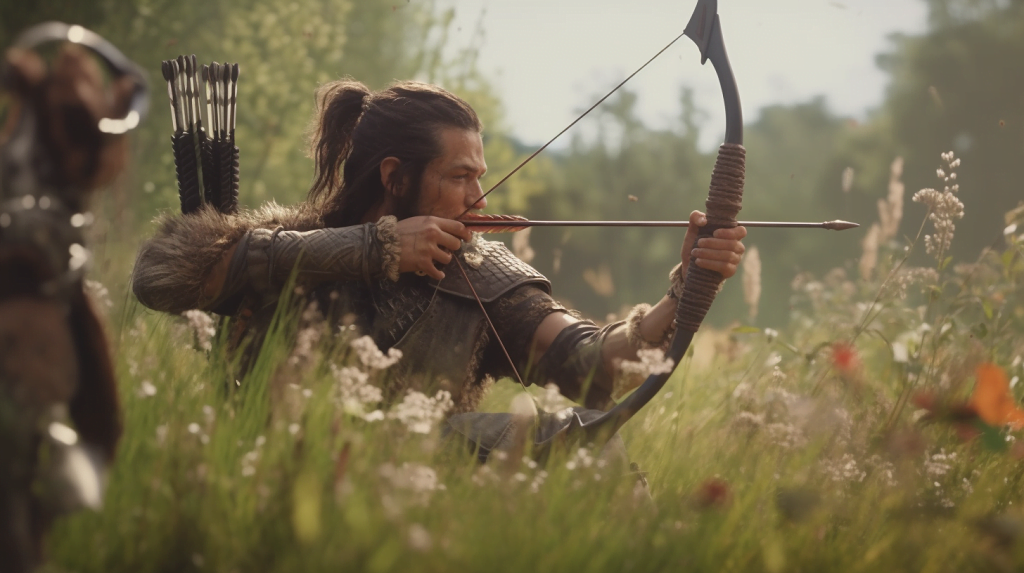
Archery hunting is a close-range hunting method that depends on safety, quiet movement, sharp judgment, and honest practice limits. A bowhunter needs more than a bow and broadheads. The real foundation is knowing the law, setting a realistic shot distance, using matched equipment, and passing shots that do not give a clean recovery chance.
This guide is for new and returning bowhunters who want a practical overview before the season. It does not replace hunter education, bowhunter education, state regulations, local land rules, or manufacturer instructions.
Table of Contents
Quick Answer
Archery hunting is best learned as a safety-first, close-distance skill. Start with legal requirements, a properly fitted bow, tuned arrows, sharp broadheads, safe tree-stand habits if you hunt from a stand, and repeatable practice from field positions. Your ethical shot distance should be based on what you can do consistently, not what the bow can launch.
Safety Comes First
Bowhunting safety begins before you enter the woods. Review your state rules, tag requirements, legal equipment standards, blaze-orange rules where applicable, and land access boundaries. Bowhunting also has its own safety issues, especially broadhead handling and tree-stand hunting.
The Bowhunter-Ed safety material is a useful starting point for new hunters because it covers safe field behavior, equipment handling, and responsibility. If you use a tree stand, wear a full-body harness and follow the stand manufacturer’s instructions every time.
- Keep broadheads covered until they are needed.
- Inspect arrows, nocks, strings, cables, limbs, and releases before hunting.
- Never nock an arrow until you are in a safe hunting position.
- Use a haul line for bows and gear when hunting from a stand.
- Know what is beyond the animal before releasing an arrow.
Bow Setup and Equipment Fit
A hunting bow should fit the shooter. Draw length, draw weight, arrow spine, arrow weight, rest setup, sight setup, broadhead choice, and release style all affect safety and accuracy. If any of those are mismatched, the bow may feel harder to control and the arrows may not fly consistently.
Draw Weight
Choose a draw weight you can pull smoothly in cold weather, from awkward positions, and after waiting in the field. Too much draw weight causes shaking, poor form, rushed shots, and unsafe movement. Legal minimums vary by state and species, so verify your local rules before hunting.
Arrows and Broadheads
Arrows should match the bow’s draw weight, draw length, point weight, and intended use. Broadheads should be sharp, legal for the hunt, and tested with your setup before the season. Do not assume field-point accuracy automatically means broadhead accuracy.
The Archery Trade Association is a useful industry source for archery education and equipment topics, but a local pro shop or qualified coach can help with the hands-on fit and tuning work a beginner should not guess at.
Practice Distance and Shot Limits
Bowhunting practice should be honest. A tight group on a calm range does not always translate to a clean shot in the woods. Practice from standing, kneeling, stand-height angles where safe and legal, and with the same clothing layers you expect to wear.
Your field limit should be the distance where you can place arrows reliably under realistic conditions. Many beginners are better served by learning close-range setups and passing longer shots until their form, range judgment, and recovery skills improve.
Fieldcraft for Bowhunting
Archery hunting often happens at closer distances than firearm hunting. That means wind, noise, entry routes, cover, and patience matter. Move slowly, plan how you will enter and exit, and avoid pushing animals through bedding or feeding areas when conditions are wrong.
- Check wind direction before and during the hunt.
- Choose stand or blind locations with safe shooting lanes.
- Trim lanes only where legal and allowed by the landowner.
- Minimize noise from clothing, packs, buckles, and loose gear.
- Know your exit route before dark.
Shot Choice and Recovery
Ethical shot choice is the heart of bowhunting. Wait for a broadside or slightly quartering-away angle, avoid risky angles, and do not shoot through heavy brush. If the animal is alert, moving fast, partly hidden, or outside your proven limit, pass.
After the shot, watch where the animal goes, mark the last place you saw it, and follow a careful recovery plan. The Hunter-Ed guidance on responsible hunters is a good reminder that recovery effort and respect for game are part of the hunt, not an afterthought.
Beginner Bowhunting Checklist
- License, tags, season dates, and legal equipment rules confirmed.
- Bow draw weight and draw length fit the shooter.
- Arrows match the bow setup and are checked for damage.
- Broadheads are sharp, legal, covered during transport, and tested before the season.
- Rangefinder, release, spare nocks, small tool kit, and first-aid items packed.
- Tree-stand harness and haul line packed if hunting from a stand.
- Personal shot-distance limit set before the hunt.
- Recovery plan and meat-care plan ready.
FAQ
Is archery hunting harder than firearm hunting?
It can be harder in some ways because the hunter often needs to get closer, control movement, and manage shorter shot windows. It also requires steady practice with the exact bow and arrow setup used for the hunt.
What distance should a beginner bowhunter shoot at?
A beginner should hunt only inside the distance where they can place arrows consistently in practice from realistic positions. That distance may be much shorter than the bow’s maximum range.
Do broadheads fly the same as field points?
Not always. Broadheads can expose tuning or form problems that field points hide. Test broadheads before the season and get tuning help if impact points do not match.
Should I take a bowhunter education course?
Yes, especially if you are new. Some states require it, and even where it is not required, bowhunter education helps with safety, ethics, shot placement, recovery, and legal responsibilities.
What is the biggest mistake new bowhunters make?
Many new bowhunters overestimate their field shot distance. Set your limit before the hunt, practice from realistic positions, and pass when the angle, distance, or animal behavior is not right.
Final Takeaway
Archery hunting rewards preparation and restraint. Fit the bow, practice honestly, keep safety habits tight, understand the rules, and pass any shot you cannot make cleanly. That mindset helps protect wildlife, land access, and your own confidence in the field.