Skeet Shooting Tips for Beginners: Safer Mount, Eyes, Swing, and Practice
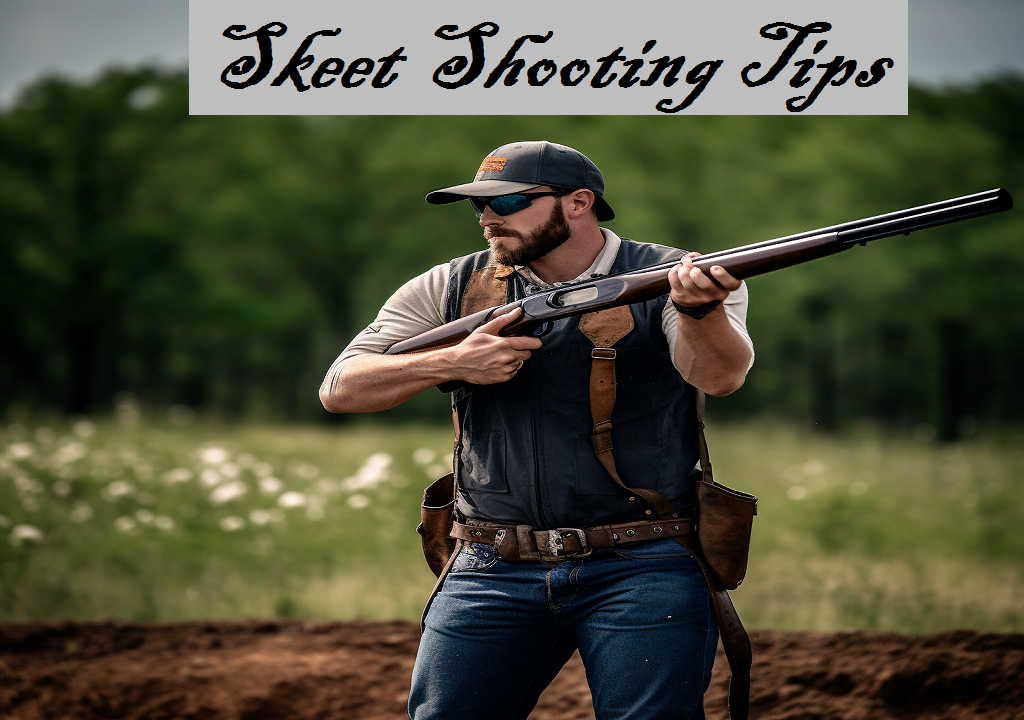
Good skeet shooting starts before the target leaves the house. A safer mount, clear eyes, steady footwork, and a calm follow-through will help more than chasing every gear change at once.
This guide keeps the focus on practical range habits for beginners and improving recreational shooters. Use it with a qualified coach, range officer, or experienced instructor when possible.
Table of Contents
Quick Answer
To improve at skeet shooting, start with safety and consistency: keep the muzzle controlled, set your feet before the call, mount the shotgun the same way each time, look for the target early, swing smoothly through it, and keep moving after the shot.
Do not try to fix every station with a new trick. Most missed targets come from rushing the mount, stopping the swing, looking at the bead instead of the target, or changing stance without noticing.
Safety Comes First
Skeet is a moving-target game, but firearm safety is still the first rule. Keep the muzzle pointed in a safe direction, keep your finger off the trigger until ready to shoot, and follow the range officer’s commands. The NSSF firearm safety rules are a useful baseline for every range session.
Wear eye and ear protection, keep actions open when not shooting, and wait for the station to be clear before loading. If you are new to skeet, tell the range staff. Most ranges would rather help you set up correctly than watch you guess.
Understand the Game
Skeet uses fixed high-house and low-house target paths across multiple stations. Because the angles repeat, the game rewards preparation and repeatability. The skeet shooting overview can help new shooters understand the basic layout before stepping onto the field.
USA Shooting also lists shotgun disciplines for competitive context, including skeet, trap, and sporting clays. That overview is helpful if you are trying to understand how skeet differs from other clay-target games: USA Shooting shotgun disciplines.
Set Your Stance Before Calling Pull
Start each station with your feet balanced and your body ready to rotate. Your stance should let the shotgun move through the expected target line without forcing your shoulders to twist at the end of the swing.
A simple check is to point your belt buckle or torso toward the break zone, then let your upper body rotate back toward the hold point. If you feel locked up before the target arrives, reset your feet before calling for the bird.
Build a Repeatable Gun Mount
A clean mount puts the stock in the same cheek and shoulder position each time. If your head lifts, your cheek floats, or the stock lands in a different place each shot, your sight picture changes even when the target path is familiar.
Dry-mount practice with an unloaded shotgun can help, but only in a safe setting and only after checking the firearm carefully. Many shooters improve faster by practicing a slow, smooth mount than by firing more shells with a rushed mount.
Use Your Eyes Better
Look for the target, not the bead. The bead can help confirm alignment, but staring at it usually slows your reaction and makes the target look blurry. Pick a visual hold point, soften your focus, and let your eyes catch the target as it appears.
If you are missing behind, you may be late seeing the target or stopping the shotgun. If you are missing over or under, check head position, cheek pressure, and whether you are lifting your face at the shot.
Keep the Swing Moving
Skeet targets punish a stopped gun. Start the muzzle where you can move smoothly with the target, match the target line, and keep the swing moving through the shot. Follow-through is not decoration; it helps stop the habit of checking the bead and freezing at the trigger pull.
Think smooth first, fast second. A rushed move often creates more misses than a controlled move that starts on time.
Practice With a Purpose
Do not measure practice only by the scorecard. Pick one problem for the round: foot position, mount, hold point, eye focus, or follow-through. Changing five things at once makes it hard to know what actually helped.
- Warm up with a slow mount and safe muzzle awareness.
- Ask a coach or experienced shooter to watch one station at a time.
- Write down where you missed, not just how many you hit.
- Practice the target path before changing choke, shell, or gun setup.
- End the session before fatigue turns into sloppy safety habits.
FAQ
What is the best beginner skeet shooting tip?
Set your stance and mount before calling for the target. A smooth, repeatable setup helps more than rushing to shoot faster.
Should I look at the bead or the clay target?
Keep your visual attention on the target. The bead can confirm alignment, but staring at it usually slows the swing and pulls focus away from the clay.
Why do I keep missing behind skeet targets?
Common reasons include seeing the target late, starting the gun too slowly, stopping the swing, or checking the bead at the shot. Have a coach watch your hold point and follow-through.
Do I need special gear to start skeet shooting?
You need a suitable shotgun, safe ammunition for the range rules, eye protection, ear protection, and instruction on safe handling. Start with range guidance before buying extra accessories.
Is skeet shooting the same as sporting clays?
No. Skeet uses fixed target houses and repeated angles across stations. Sporting clays uses a wider variety of target presentations and field-style stations.