Compound Bow Comparisons: Fit, Speed, Forgiveness, and Setup
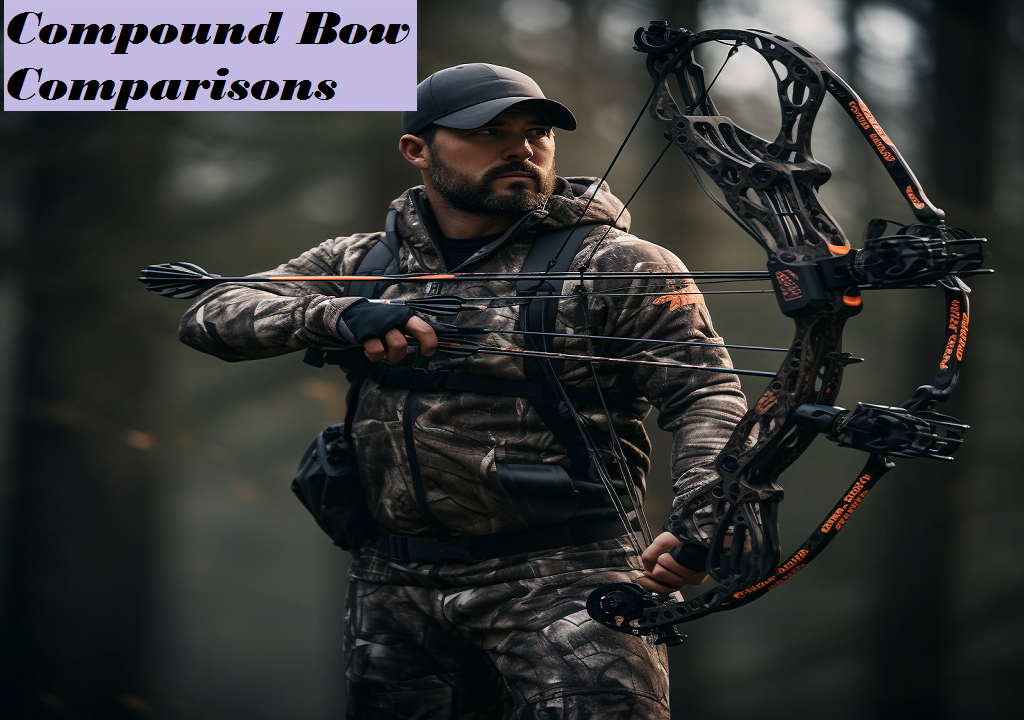
The best compound bow for you is the one that fits your draw length, draw weight, hunting or target use, and budget after setup costs. Do not compare bows by speed alone. A bow that is slightly slower but fits well, tunes cleanly, and lets you shoot steady groups is usually a better buy than a faster bow that feels harsh or hard to control.
This compound bow comparison guide explains the main differences that matter before buying: axle-to-axle length, brace height, draw cycle, let-off, mass weight, adjustability, accessories, and real use case. It is a support guide, not a ranked product list, so it does not include affiliate links or unverified model claims.
Table of Contents
Quick Answer
For most new hunters, a moderately adjustable compound bow with a manageable draw weight, forgiving brace height, and pro-shop setup is the safest place to start. For target shooting, stability and repeatability may matter more than compact size. For backcountry hunting, weight and maneuverability matter more, but only after the bow fits correctly.
The basic compound-bow design uses cams or pulleys to store energy and reduce holding weight at full draw. A general reference like Wikipedia’s compound bow overview is useful for understanding the category, but your actual buying decision should come from fit, tune, and intended use.
Compound Bow Comparison Table
| Factor | What It Means | Best Direction for Most Buyers |
|---|---|---|
| Draw length | How far the bow is drawn to anchor | Must match your body; do not guess. |
| Draw weight | Peak weight during the draw cycle | Choose what you can draw smoothly. |
| Axle-to-axle length | Overall bow length between cams | Shorter for tight blinds; longer for stability. |
| Brace height | Distance from grip throat to string | Moderate to longer is often more forgiving. |
| Let-off | How much holding weight drops at full draw | Helpful for aiming, but feel still matters. |
| Mass weight | How heavy the bare bow is | Balance carry weight with aiming stability. |
| Accessories | Sight, rest, quiver, stabilizer, release, arrows | Budget for setup, not just the bow. |
Start With Fit
Draw length is the first serious comparison point. If a bow is too long for you, your anchor, peep alignment, and shoulder position can suffer. If it is too short, your posture can feel cramped and inconsistent. A fast bow with the wrong draw length is still the wrong bow.
Draw weight comes next. Many hunters want to start heavy, but clean form matters more. If you need to point the bow upward, jerk through the draw cycle, or fight the bow at full draw, the weight is too high for your current strength and practice level.
Grip feel also matters. Two bows with similar specs can aim very differently because of grip shape, balance, riser geometry, and cam feel. If possible, shoot several bows before buying instead of choosing from specs alone.
Speed vs Forgiveness
Speed is useful, but it is not the whole story. A faster bow may use a more aggressive cam, shorter brace height, or heavier draw setting. That can make it less comfortable for some shooters. A forgiving bow may be easier to shoot well under pressure, especially for newer hunters.
Brace height is one clue. A longer brace height is often more forgiving because the arrow spends less time on the string while small form errors affect the shot. That does not mean every short brace-height bow is bad, but it does mean speed claims should be weighed against control.
Real performance also depends on arrow weight, draw length, string accessories, broadheads, rest setup, and tune. Do not expect a bow to match advertised speed in every real setup.
Hunting Bow vs Target Bow
A hunting bow usually needs to be practical in the field: quiet, durable, maneuverable, and comfortable from stands, blinds, or awkward angles. Shorter axle-to-axle bows can help in tight spaces, but extremely compact bows may feel less stable for some shooters.
A target bow can be longer and heavier because stability matters more than carrying comfort. Target shooters may also care more about fine-tuning, sight radius, stabilizer setup, and repeatable anchor.
If you want one bow for both, choose fit and comfort first. A balanced all-around bow with proper arrows and setup will serve most archers better than a specialized bow bought for a use case you rarely practice.
Beginner and Adjustable Bows
Adjustable compound bows are useful because they can grow with the shooter or be tuned as strength improves. They are especially helpful for youth archers, new hunters, and adults who are not sure where their final draw weight will land.
The tradeoff is that adjustability does not remove the need for setup. Every change in draw weight or draw length can affect arrows, sight-in, peep position, and tune. Treat adjustments as a setup event, not a casual turn of a screw before a hunt.
For basic form and shooting concepts, a readable beginner source like wikiHow’s compound bow shooting guide can help, but new archers should still get hands-on coaching or pro-shop help when possible.
Accessories and Real Cost
The bow price is only part of the real cost. Most setups also need arrows, release aid, sight, rest, quiver, stabilizer, peep, D-loop, broadheads for hunting, target, case, and setup service. A cheaper bare bow can become expensive if it needs every part separately.
Package bows can be convenient, but check the quality and fit of each accessory. A package sight or rest may be good enough to start, or it may be the first upgrade. The important question is whether the full setup helps you shoot safely and consistently.
Arrows deserve special attention. Match arrow spine, length, point weight, and total arrow weight to the actual bow setting. Wrong arrows can hurt accuracy and safety.
Setup Checklist
- Measure or confirm draw length before buying.
- Choose draw weight you can control without sky-drawing.
- Compare axle-to-axle length against your hunting or target use.
- Check brace height and draw-cycle feel, not only speed.
- Budget for arrows, release, sight, rest, target, case, and setup.
- Use matched arrows for the final bow setting.
- Paper tune or have the bow tuned before serious practice.
- For hunting, confirm local draw-weight and broadhead rules.
- Practice from real positions: standing, seated, blind, or treestand as applicable.
FAQ
What is the most important compound bow spec?
Draw length is usually the first spec to get right because it affects posture, anchor, peep alignment, and consistency. Draw weight is close behind because it must match your current strength.
Is a faster compound bow always better?
No. Faster bows can be useful, but forgiveness, draw feel, noise, tune, and accuracy matter too. A slightly slower bow that you shoot well is often a better choice.
Are package bows good for beginners?
They can be, especially when they include the basics and leave room in the budget for setup. Still, the accessories must fit the shooter and the bow must be tuned before serious use.
Should I buy a hunting bow or target bow first?
Buy for the use you will practice most. If you want to hunt, choose a bow that fits hunting positions and legal requirements. If you mainly shoot targets, stability and repeatability may matter more.
Do I need a pro shop to set up a compound bow?
New archers benefit from pro-shop setup because draw length, peep height, rest position, arrows, and tuning all affect results. Experienced archers may do more at home, but the setup still has to be checked carefully.
Final Thoughts
Compound bow comparisons should start with the shooter, not the spec sheet. Fit, draw control, tune, arrow match, and real use case matter more than chasing the fastest number. Choose a bow you can shoot well, set it up correctly, and practice from the positions you will actually use.