Muzzleloader Hunting Explained: Basics, Safety, and Rules
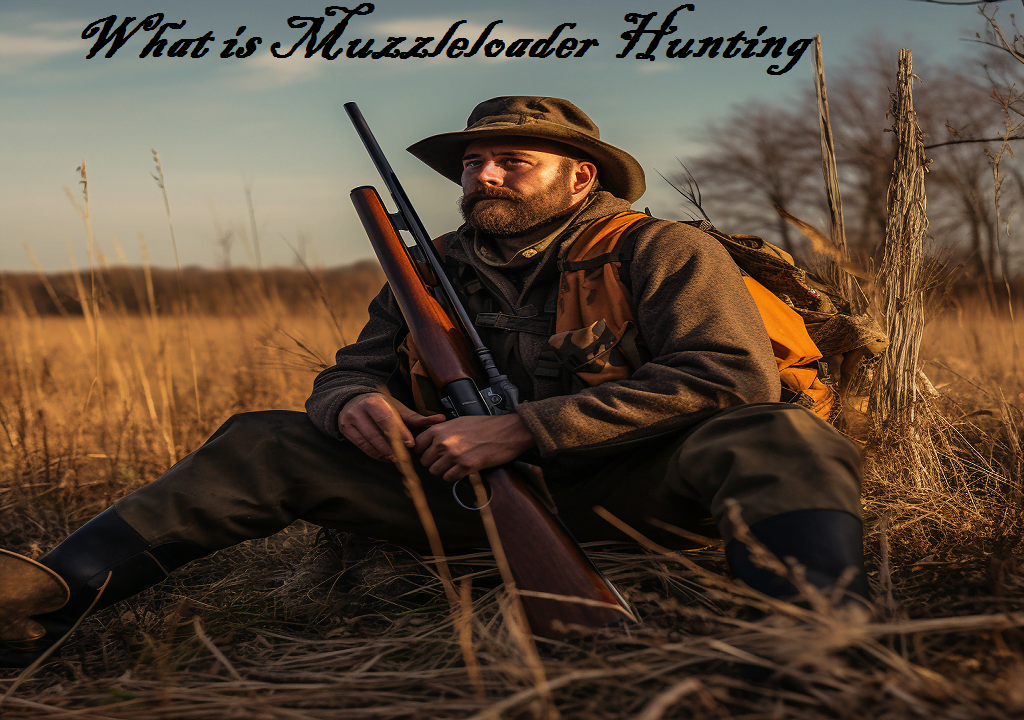
Muzzleloader hunting is hunting with a firearm that is loaded from the muzzle end of the barrel instead of from the breech. Many hunters choose it because muzzleloader seasons can offer a slower, more traditional style of hunting, but it also requires extra attention to safety, weather, legal rules, and shot discipline.
This guide explains the basics at a high level. It does not provide loading data, powder charges, or step-by-step firing instructions. Always follow the firearm manufacturer’s manual, take a hunter education course, and check your state wildlife agency rules before hunting with a muzzleloader.
Table of Contents
What Is Muzzleloader Hunting?
In muzzleloader hunting, the hunter uses a firearm designed to be loaded from the front of the barrel. The basic idea is older than modern cartridge firearms, but today’s muzzleloaders range from traditional flintlock and percussion designs to modern inline designs with updated sights, ignition systems, and materials.
For hunters, the appeal is usually the pace. Muzzleloader hunting often puts more emphasis on scouting, close-range decision-making, weather planning, and knowing the firearm well. It is still firearm hunting, so the same core safety rules apply. Resources from Hunter-Ed and the NSSF firearm safety program are good starting points for safe handling principles.
How It Differs From Modern Firearm Hunting
The biggest difference is pace. A muzzleloader usually gives the hunter fewer fast follow-up options, so range judgment and shot choice matter even more. Many hunters also spend more time protecting equipment from moisture, confirming legal components, and practicing with the exact setup they plan to use in the field.
- Loading system: the firearm is loaded from the muzzle instead of with a modern cartridge.
- Follow-up speed: a second shot is usually slower, so first-shot judgment is important.
- Weather sensitivity: moisture can affect some setups more than modern sealed ammunition.
- Regulation details: states may restrict ignition type, sights, bullets, scopes, season dates, or legal species.
Common Muzzleloader Types
Inline muzzleloaders
Inline muzzleloaders are common among modern hunters. The ignition system sits in line with the barrel, and many models are designed for easier cleaning, weather resistance, and modern sight options. Check your state’s rules before assuming a specific scope, primer, projectile, or season setup is legal.
Percussion muzzleloaders
Percussion muzzleloaders use a percussion cap system and are often associated with more traditional hunting styles. They can be rewarding, but they require careful maintenance, safe handling habits, and familiarity with the exact firearm.
Flintlock muzzleloaders
Flintlocks are among the most traditional options. They can be affected by weather and require practice with lock time, follow-through, and safe field handling. Some states offer special seasons or rules for traditional muzzleloaders, but those details must be checked locally.
Safety Basics for New Hunters
A muzzleloader should be treated with the same seriousness as any firearm. Keep the muzzle pointed in a safe direction, keep your finger off the trigger until ready to shoot, identify the target and what is beyond it, and follow the manufacturer’s manual for your exact firearm.
Do not guess with powder, projectiles, primers, caps, or substitutes. Use only components approved for the firearm and local hunting rules. The National Muzzle Loading Rifle Association is a useful organization to know for muzzleloading history, competition, and education, but your firearm manual and state rules are still the first sources for your setup.
- Confirm the firearm is in safe working condition before hunting.
- Practice at realistic hunting distances before season.
- Protect the firearm and components from moisture.
- Use a safe backstop and pass uncertain shots.
- Clean and store the firearm according to the manual after use.
Season and Legal Checks
Muzzleloader rules vary widely. One state may allow scopes and inline ignition during a season, while another may restrict sights, ignition type, projectile type, caliber, or hunting dates. Some seasons are species-specific, some are weapon-specific, and some rules change from year to year.
Before buying gear or planning a hunt, check the current regulations from your state wildlife agency. Do not rely on old blog posts, forum comments, or product listings for legal details. If a rule is unclear, contact the agency before hunting.
FAQ
Is muzzleloader hunting harder than rifle hunting?
It can be more demanding because follow-up shots are slower, weather matters more, and the hunter needs more setup familiarity. The hunting itself still depends on scouting, range, shot placement, and legal opportunity.
Can beginners use a muzzleloader?
Yes, but beginners should learn with a qualified instructor, read the firearm manual, complete hunter education, and practice before hunting. Guessing with muzzleloader components is unsafe.
Are scopes legal on muzzleloaders?
Sometimes. Scope rules depend on the state, season, and hunt type. Always check current state regulations before assuming a scoped muzzleloader is legal for a specific hunt.
What is the best muzzleloader type for hunting?
The best type depends on your state rules, budget, preferred hunting style, weather, and practice time. Inline muzzleloaders are common for modern hunters, while percussion and flintlock options appeal to hunters who prefer traditional setups.
Do muzzleloaders need special cleaning?
Yes. Muzzleloaders should be cleaned and stored according to the firearm manual after shooting. Some propellants and residue can be corrosive, so cleaning should not be ignored.