Tactical Rifle Scopes: Law Enforcement vs Civilian Use Explained
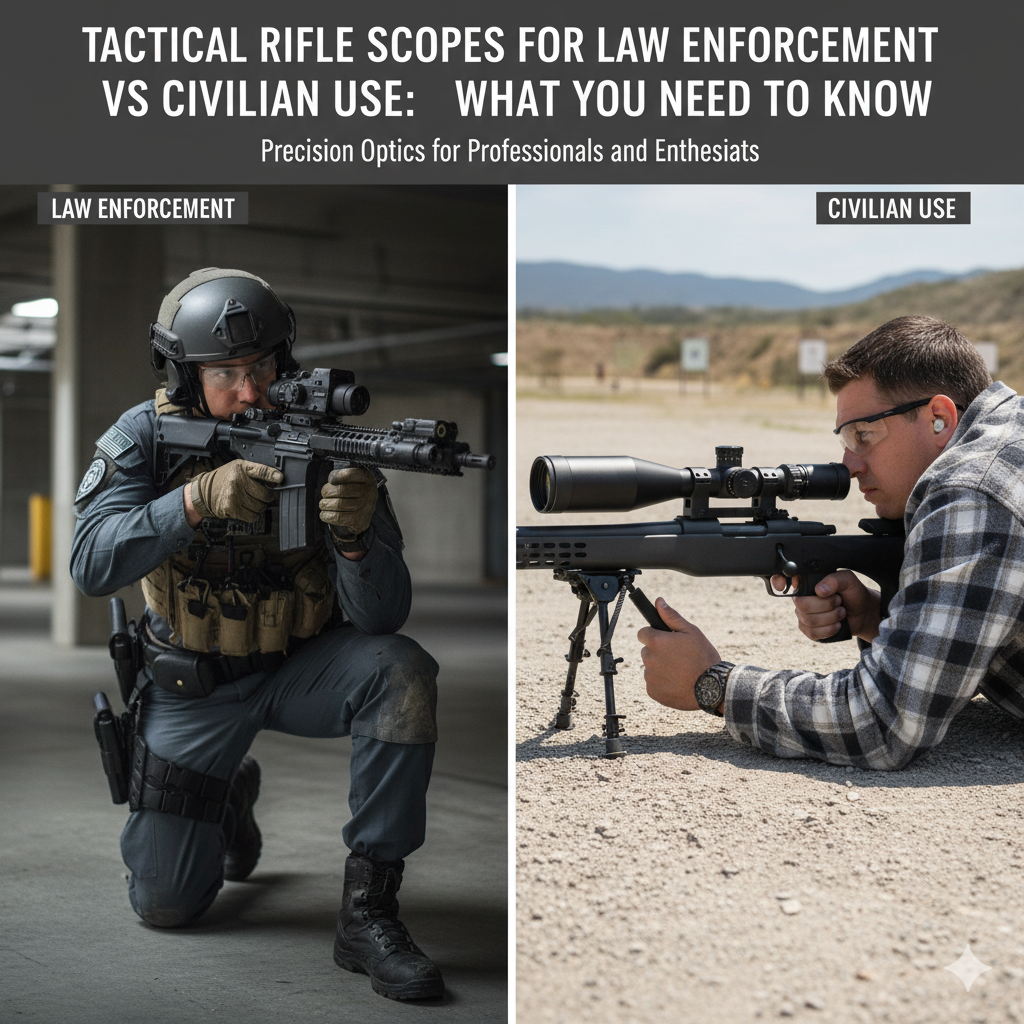
The phrase “tactical rifle scope” mostly describes a feature set, not a separate legal class of optic. Scopes marketed toward law enforcement and scopes sold to civilian hunters and target shooters often share the same core technology, and many of the same models appear in both worlds. The real differences come down to which features each buyer prioritizes, how much abuse the optic is built to absorb, and how big the budget is. This guide explains those differences in plain terms for civilian hunting and range shopping only. It stays at the level of features, durability, and buying priorities.
Table of contents
What “Tactical” Actually Means on a Scope
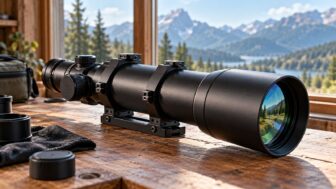
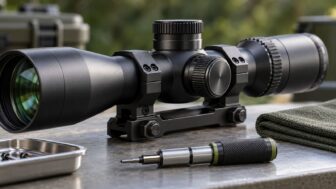
On most product pages, “tactical” signals a bundle of features rather than a regulated category. Common markers include exposed, capped, or locking turrets for quick dial adjustments, a reticle with holdover marks measured in mil or MOA, a first focal plane reticle that scales with magnification, illuminated reticle options, and a build aimed at hard use. None of that is exclusive to any one type of buyer. A hunter or competition shooter can use every one of those features for entirely civilian purposes.
Because the term is a marketing umbrella, the smarter question is not “is this scope tactical” but “does this scope have the features I need, at a price and durability level I want.” That framing keeps the focus on practical buying decisions.
Features Law Enforcement and Civilian Optics Share
More overlaps than differences. The same optical and mechanical fundamentals show up across both markets: quality glass and coatings for light transmission and contrast, adjustable magnification ranges, reticle systems in mil or MOA, parallax adjustment on higher-power models, repeatable turret tracking, and sealed, nitrogen or argon purged tubes that resist fog and water. Many manufacturers sell the very same scope to a hunter, a competitor, and an agency. The hardware is shared; the use case is what changes.
For neutral background on optical sights and terms such as reticles, magnification, and sight adjustment, the telescopic sight overview on Wikipedia is a useful starting point before you compare individual scope features.
Where the Priorities Differ
The differences are about emphasis, not a separate technology. This article keeps the discussion at the level of buyer priorities and does not describe professional field methods.
Durability and Abuse Tolerance
Optics aimed at heavy high-duty-use contexts are often built and tested to absorb repeated rough handling and recoil over long lifespans. Civilian hunting and range optics also need to be reliable, but a scope that lives mostly in a case, a truck, and a stand faces a different wear profile than one carried hard every working day. Both can be durable; the design target differs.
Turret Style and Adjustment Speed
Some buyers want exposed turrets they can dial quickly and a zero stop to return to zero by feel. Others prefer capped turrets that they set once and protect from accidental movement in the field. Neither is inherently better; it depends on whether you dial often or hold over with the reticle.
Reticle Complexity
Feature-heavy reticles with dense holdover grids appeal to shooters who range and compensate frequently. A hunter who takes shots at modest distances may find a simpler reticle faster and less cluttered. Complexity is a tradeoff, not an upgrade by default.
Which Features Actually Help a Hunter or Range Shooter
Buy for your real use, not for a label. For most hunters and recreational shooters, the features that matter most are good glass for clarity and low-light performance, a magnification range that fits typical distances, reliable and repeatable turrets, adequate eye relief, and a reticle you can read quickly under pressure.
- Hunters often do well with a clear, lighter, simpler scope. Generous eye relief, a forgiving eye box, and a reticle that is fast to acquire usually beat a dense grid you rarely use.
- Target and long-range shooters tend to value precise, repeatable turrets, a zero stop, a matched mil or MOA reticle, and a first focal plane option so holdovers stay true across magnifications.
- General range plinkers can prioritize value and a straightforward reticle over advanced features they will not use.
A first focal plane reticle scales with magnification, so holdover marks stay accurate at any power, which suits shooters who hold over often. If you want the deeper version, read our guide to the difference between FFP and SFP rifle scopes. A second focal plane reticle stays the same visual size and is often simpler and brighter at low power, which many hunters prefer. Pick the one that matches how you actually aim.
Durability, Reliability, and Warranty
For a civilian buyer, two practical durability questions outrank marketing claims: is the scope sealed and fog proof, and does it hold zero reliably. A nitrogen or argon purged, O-ring sealed tube resists internal fogging and moisture. Repeatable tracking means the turrets return to the same point of impact after adjustment, which you can confirm yourself with a tracking or box test at the range.
Warranty matters as much as the spec sheet. Many reputable optics brands offer strong transferable warranties, and a solid no-fault warranty can be worth more over a scope’s life than a small feature advantage. Read the actual warranty terms before buying rather than assuming coverage.
Budget and Value
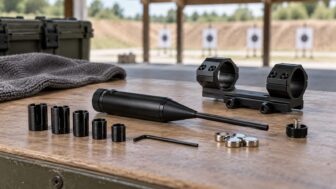
Scope prices span a wide range, and you are usually paying for glass quality, turret precision and repeatability, and durability rather than for the word “tactical.” A common, sensible approach is to spend enough that the optic matches the rifle and the use, then put remaining budget toward solid rings or a one-piece mount and proper mounting, since a great scope mounted poorly will not perform.
You do not need to match a high-duty-use budget to get a clear, reliable scope for hunting or the range. Many mid-priced optics offer good glass, dependable tracking, and strong warranties. Define your maximum distance and lighting conditions, then buy the clearest, most reliable scope in your range that covers them.
Choosing a Scope for Your Use
| If your use is | Prioritize | Often less important |
|---|---|---|
| General big-game hunting | Clear glass, low-light clarity, light weight, simple fast reticle, generous eye relief | Dense holdover grids, exposed dialing turrets |
| Long-range target shooting | Repeatable turrets, zero stop, matched mil/MOA reticle, first focal plane | Minimal weight, capped turrets |
| Range plinking and practice | Value, durability, easy-to-read reticle | Premium glass, advanced features |
| Mixed hunting and occasional distance work | Versatile magnification, balanced reticle, dependable tracking | Specialized extremes in either direction |
Whatever you choose, mount it correctly. Proper ring height, level reticle, and correct eye relief affect accuracy and comfort more than small spec differences between models. Our eye relief guide and tactical scope vs hunting scope comparison can help you narrow the setup.
Legal and Safety Notes
Optics help you see and aim, but they do not change your core safety responsibilities. Always identify your target and what lies in front of and beyond it, keep the muzzle pointed in a safe direction, and treat every firearm as loaded. These fundamentals are summarized by the National Shooting Sports Foundation and apply on every range and hunt.
Rules on rifles, optics features, and lawful hunting equipment vary by state and sometimes by locality. For hunting, confirm legal equipment and seasons with your state wildlife agency before you head out. This article is general information, not legal advice, and it focuses on civilian hunting and range use.
Frequently Asked Questions
Is a “law enforcement” scope different hardware from a civilian scope?
Usually not in any fundamental way. Many of the same models are sold across both markets. Differences tend to be emphasis on durability, turret style, and reticle complexity rather than a separate class of technology.
Do I need a tactical scope for hunting?
No. Most hunters are well served by a clear, reliable scope with a simple reticle and good low-light performance. Advanced dialing turrets and dense reticles help shooters who range and hold over often, but they are not required for typical hunting distances.
What is the difference between first and second focal plane?
In a first focal plane scope, the reticle grows and shrinks with magnification, so holdover marks stay accurate at every power. In a second focal plane scope, the reticle stays the same size and the marks are calibrated at one magnification, which is often simpler and brighter at low power.
Are expensive scopes worth it?
Higher prices generally buy better glass, more precise and repeatable turrets, and greater durability. Whether that is worth it depends on your use. A mid-priced scope with good glass and a strong warranty is plenty for many hunters and range shooters.
How do I know if a scope holds zero?
Run a tracking or box test at the range: dial a known amount up, over, down, and back, and confirm the point of impact returns to where it started. Reliable, repeatable tracking is one of the most important practical qualities in any scope.
Can a civilian buy the same scopes as agencies?
In most cases the optics themselves are commercially available, and the same models appear on hunting and target rifles. Always follow current federal, state, and local laws for any firearm and accessory, and confirm hunting equipment rules with your state wildlife agency.
Final Takeaway
Treat “tactical” as a feature description, not a separate category, and buy for how you actually shoot. Hunters usually want clear glass, light weight, generous eye relief, and a simple fast reticle. Target shooters lean toward precise turrets, a zero stop, and a matched focal plane reticle. Spend on glass quality, repeatable tracking, durability, and a good warranty rather than on a label, mount the scope correctly, and confirm legal equipment with your state wildlife agency before you hunt. The right scope is the one matched to your distance, your lighting, and your budget.