Survival Skills for Hunters: Navigation, Weather, Water, and First Aid
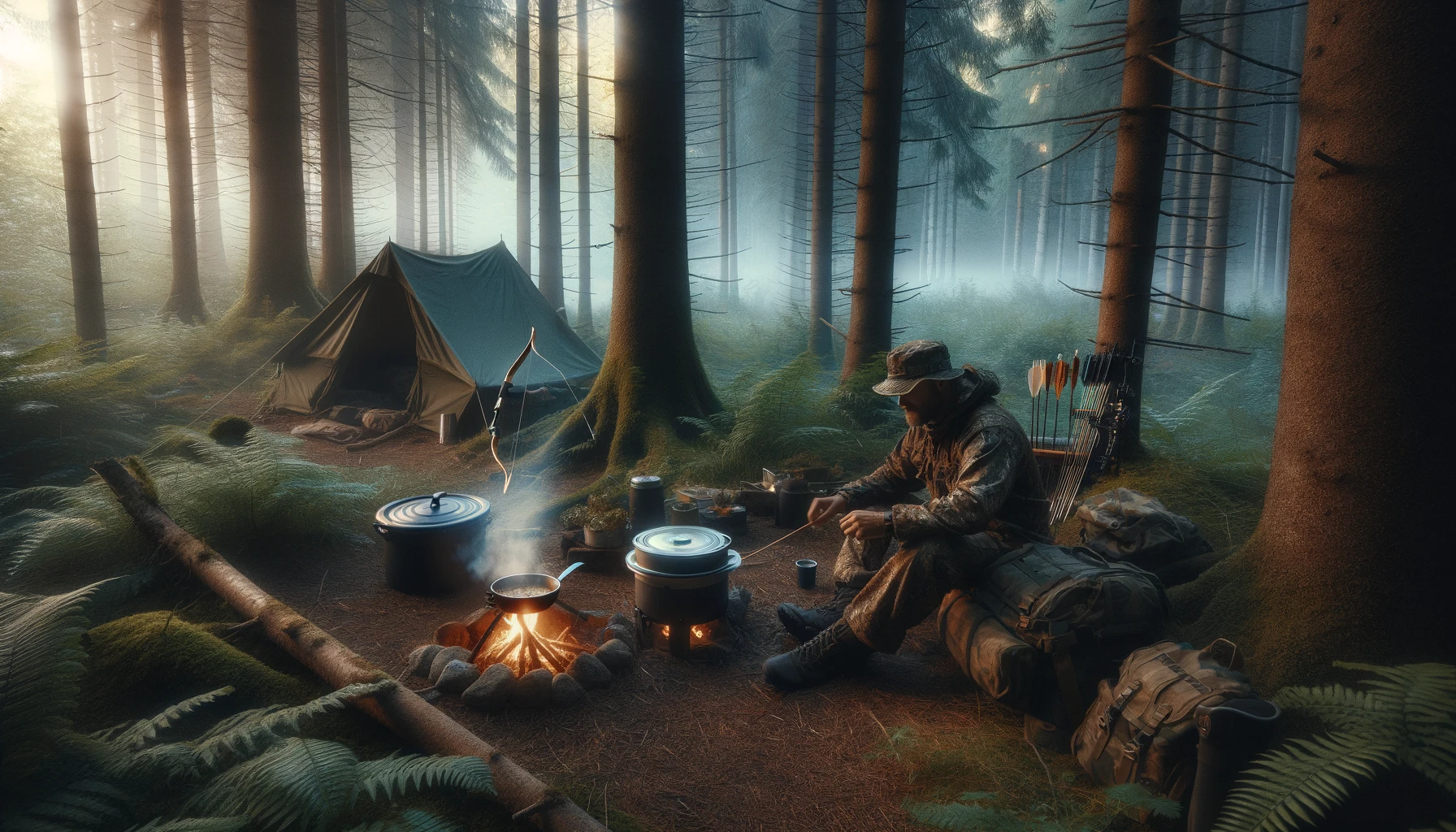
The survival skills hunters need most are not dramatic tricks. They are the habits that keep a normal hunt from turning into an emergency: telling someone your plan, staying found, carrying the basics, treating water, keeping warm, handling injuries, and knowing when to turn around. The best survival plan is built before you leave the truck.
Table of contents
Quick Answer
The most useful survival skills for hunters are navigation, weather judgment, first aid, water treatment, emergency shelter, fire safety, signaling, and calm decision-making. Practice these before the season so they feel normal when the hunt gets cold, dark, wet, or confusing.
- Most important habit: leave a route plan and return time with someone reliable.
- Most common failure: relying on a phone without a map, compass, backup power, or offline maps.
- Most useful emergency gear: headlamp, insulation, fire starter, water treatment, first-aid kit, whistle, and emergency shelter.
- Best survival decision: turn around before weather, darkness, injury, or fatigue removes your margin.
Leave a Trip Plan Before the Hunt
A trip plan is simple, but it solves a major problem: if you do not return, someone knows where to start looking. Tell a reliable person where you are parking, where you plan to hunt, who is with you, what vehicle you are using, and when to call for help if you miss check-in.
What to Include
- Trailhead, access road, parking spot, and license plate.
- Planned route, backup route, and likely glassing or stand locations.
- Expected return time and a hard check-in deadline.
- Names and phone numbers of hunting partners.
- Emergency contact instructions if you do not check in.
Navigation: Stay Found First
Good hunters can still get turned around when fog, snow, timber, darkness, or a blood trail changes the route. Use a phone or GPS if you like, but also carry a map and compass and know how to use them. Batteries fail. Screens break. Cold weather drains devices faster than expected.
Navigation Habits That Help
- Download offline maps before leaving service.
- Mark the truck, trailhead, camp, water, and major turns.
- Check your direction before following fresh sign or blood.
- Turn around early if you cannot identify your return route.
- Carry a small compass where you can reach it without unpacking.
If low visibility is part of the hunt, our guide to hunting in fog covers target ID, navigation, and stop rules.
Carry the Hunter Version of the 10 Essentials
The classic 10 essentials are a good starting point, but hunters should think about them in field terms. Your kit should help you navigate, stay warm, signal, treat injuries, make light, manage water, and wait safely if you cannot get out on schedule.
A Practical Hunter Survival Kit
- Map, compass, GPS or phone mapping, and backup power.
- Headlamp plus spare batteries.
- Fire starter in waterproof storage.
- Emergency shelter such as a bivy, tarp, or space blanket.
- First-aid kit and any personal medicine.
- Water treatment and a way to carry water.
- Knife, repair tape, cord, and small gear-repair items.
- Whistle, signal mirror, or other signaling tool.
- Extra insulation and rain protection for the season.
- Extra food that does not require cooking.
Shelter, Warmth, and Weather Decisions
Hypothermia can develop when a hunter is wet, tired, underdressed, or stuck longer than planned. You do not need freezing temperatures to get into trouble. Wind, rain, sweat, and a long sit can pull heat away quickly.
Cold-Weather Choices
- Carry a dry layer you do not wear while hiking hard.
- Put insulation on before you are shaking, not after.
- Keep rain gear reachable, not buried under meat bags or extra gear.
- Avoid cotton in cold or wet conditions.
- Turn around if the forecast and your clothing no longer match.
Water and Food Priorities
Dehydration makes bad decisions more likely. Carry enough water for the plan, know where you can refill, and treat backcountry water unless a trusted local authority says otherwise. Streams that look clean can still carry organisms or contamination.
Water Plan
- Start with water in the pack, not only a plan to find water later.
- Carry a filter, purifier, tablets, or another treatment method you know how to use.
- Keep a backup treatment option for cold, broken, or clogged gear.
- Drink before you feel badly dehydrated.
- Protect water from freezing in cold weather.
First Aid and Injury Decisions
A first-aid kit is useful only if you can use it calmly. Take a basic first-aid class if possible, and practice simple tasks like cleaning a cut, wrapping an ankle, managing blisters, and recognizing when an injury means the hunt is over.
Common Hunter Problems
- Blisters from new boots or wet socks.
- Cuts from knives, broadheads, or field-dressing work.
- Sprains from steep or loose ground.
- Cold stress, heat stress, or dehydration.
- Eye, ear, or hand injuries from unsafe gear handling.
If someone is injured, prioritize safety over the hunt. Stop bleeding, keep the person warm, avoid unnecessary movement, and call for help when the injury is beyond your training or kit.
Fire, Light, and Signaling
Fire can help with warmth and signaling, but it can also start a wildfire. Know the current fire restrictions before the hunt. In dry or windy conditions, a headlamp, whistle, bright panel, mirror, or satellite messenger may be safer than trying to build a signal fire.
Simple Signaling Plan
- Carry a whistle where it is easy to reach.
- Use a headlamp or flashlight to signal after dark.
- Wear or carry a visible color for emergency use.
- Stay near the planned route if rescue may be coming.
- Use a satellite messenger or emergency beacon if your hunt is remote and cell service is unlikely.
Survival Thinking After a Successful Shot
A successful shot can create the hardest part of the day. Meat care, darkness, weather, and fatigue now matter more. Before following up, check the time, route, temperature, partner plan, and whether you can recover the animal safely and legally.
After-Shot Safety Questions
- Can I track and return without losing my route?
- Do I have enough light, layers, and water?
- Can I keep meat clean and cool?
- Is the pack-out route safe with extra weight?
- Does someone know if I will be late?
For hot-weather meat care, read our guide on processing a deer in hot weather.
FAQ
What survival skill should every hunter learn first?
Navigation should be near the top. Learn to use a map, compass, offline map, and route plan before relying on a phone alone.
What should be in a hunter’s emergency kit?
Carry navigation, light, first aid, emergency shelter, fire starter, water treatment, extra food, insulation, signaling tools, and any personal medicine. Adjust the kit for weather, distance, and terrain.
Is foraging a good survival plan for hunters?
No. Do not rely on wild plants or mushrooms unless you have real training and local certainty. It is safer to carry extra food and focus on getting found, staying warm, and treating water.
Should hunters fire shots to signal for help?
Use a whistle, light, visible panel, satellite messenger, or emergency call when possible. Firing a gun as a signal can create safety and legal problems, so it should not be your normal signaling plan.
When should a hunter turn around?
Turn around when weather, light, injury, fatigue, route confusion, water shortage, or gear failure makes the return unsafe. A hunt is not worth losing the safety margin.
Sources
- National Park Service 10 Essentials – outdoor emergency and trip-planning basics.
- Ready.gov Emergency Kit – emergency supply planning.
- National Weather Service Weather Safety – weather hazard planning.
- EPA Emergency Drinking Water Disinfection – water treatment guidance.
- American Red Cross First Aid Training – first-aid training resource.