Bear Hunting Safety: Legal Checks, Bear ID, and Field Planning
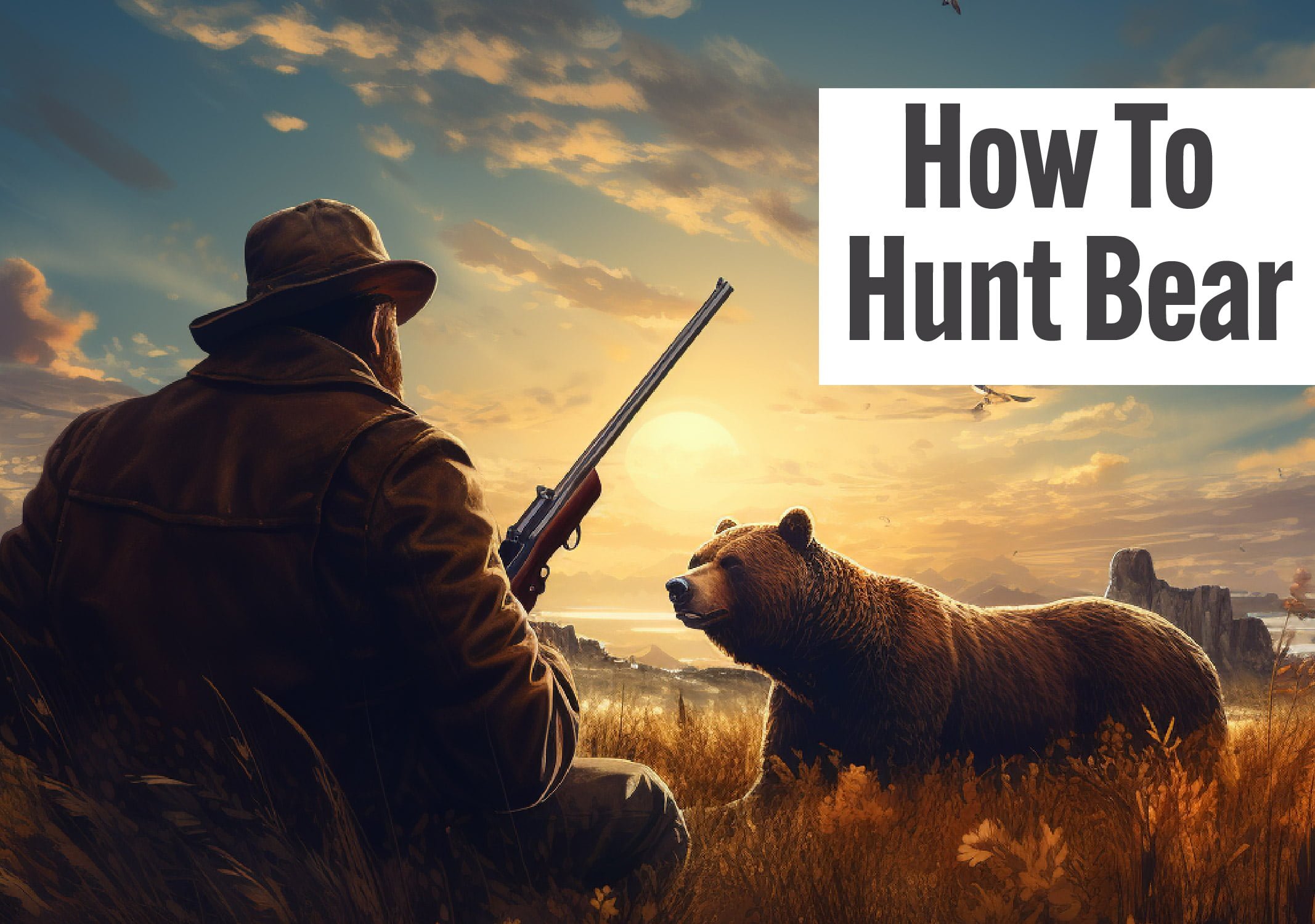
Bear hunting starts with legal checks, clear bear identification, safe field planning, and honest limits. Before you choose a tag, firearm, bow, guide, or hunting unit, confirm the current rules with the state or provincial wildlife agency, study bear behavior, and make a plan for safe meat recovery in bear country.
This guide is for hunters who want a safety-first overview, not a shortcut around local rules. Bear seasons, tag systems, bait rules, dog-use rules, harvest reporting, and species protections can change by location and year, so use this page as a planning checklist and verify the final details with official sources.
Table of contents
Quick Answer: How Should a Bear Hunt Be Planned?
A bear hunt should be planned around the law first, then identification, safety, and recovery. The right order is simple: confirm the season and tag, identify which bear species are legal, check method and equipment rules, prepare for bear-country safety, and hunt only inside your ability to make a clean, recoverable shot.
- Start with the rulebook: Check the current wildlife agency page for your state, province, or hunting unit.
- Know the species: Black bear, brown bear, grizzly bear, and polar bear rules are not interchangeable.
- Confirm the method: Rules for bait, dogs, stands, archery gear, firearm types, and reporting vary widely.
- Plan the recovery: A bear is heavy, insulated, and often hunted in thick cover, so recovery needs people, tools, time, and a cooling plan.
- Stay conservative: If identification, backdrop, distance, or shot angle is uncertain, do not shoot.
Legal Checks Before a Bear Hunt
The first real step is confirming that bear hunting is legal for your exact place, date, species, license type, and method. A general article cannot replace the current regulations for a wildlife unit, and old forum posts or social media summaries are not enough.
Use the official wildlife agency for the final answer. A hunter education resource such as Hunter-Ed’s reminder to know and obey hunting laws is useful for the principle, but the live regulation page from the agency is what decides the hunt.
- License and tag: Confirm whether you need a general hunting license, bear tag, draw permit, harvest ticket, guide requirement, or nonresident permit.
- Unit and season: Check opening dates, closing dates, quota closures, emergency closures, and unit boundaries.
- Legal species: Confirm whether black bear, brown bear, grizzly bear, or another bear classification applies in that area.
- Legal method: Review rules for firearm, archery, muzzleloader, bait, dogs, stands, electronic calls, and road access.
- Reporting: Some areas require harvest reporting, sealing, biological samples, tooth submission, hide tagging, or check-station visits.
Print or save the official rule pages before leaving home. Remote hunting areas can have weak phone service, and a saved copy helps you confirm boundaries, tagging steps, and reporting deadlines in the field.
Bear Identification and Protected Species
Bear identification is a safety and legal requirement. Color alone is not reliable because black bears can appear brown, cinnamon, blond, or nearly black, and young bears can be mistaken for smaller legal animals at a distance.
Before any hunt, learn the identification markers used by the local agency. In mixed bear country, focus on body shape, shoulder hump, face profile, ear shape, track size, claw marks, and habitat clues. If protected bears may be present, identification needs to be settled before the trigger or release is touched.
- Black bear: Often has taller ears, a straighter face profile, and no large shoulder hump, but local variation matters.
- Brown or grizzly bear: Often has a shoulder hump, dished face profile, and shorter rounded ears, but distance can hide these traits.
- Sow with cubs: Many areas restrict or prohibit taking females with cubs. Watch behavior and nearby movement before deciding.
- Low-light risk: Bear ID is much harder at dawn, dusk, in rain, or in thick timber. Passing is the right call when ID is not clear.
Bear hunting is not only a tag decision. It is also a conservation decision. The U.S. Fish and Wildlife Service Wildlife and Sport Fish Restoration Program explains how hunting and fishing funds support wildlife management, which is one reason hunters need to follow reporting and harvest rules accurately.
Field Planning and Bear-Country Safety
A good field plan reduces rushed decisions. Bear country adds problems that many deer hunters do not face: thick cover, heavy animals, food odors, steep terrain, fast weather changes, and the chance of meeting another bear during recovery.
Before the hunt, study access routes, exit routes, weather, daylight, meat cooling options, and emergency communication. The National Park Service bear safety guidance is a helpful baseline for food, surprise encounters, and safe behavior in bear country, even when you are hunting outside a national park.
- Tell someone the plan: Share the area, route, vehicle location, hunting partners, and expected return time.
- Carry communication: In remote areas, consider satellite messaging or another backup if cell service is unreliable.
- Control scent and food: Store food, meat, and scented items carefully so camp does not become a problem area.
- Plan for weight: A bear can require multiple loads. Decide how you will move meat before you ever take a shot.
- Watch the weather: Warm conditions can spoil meat quickly. Have game bags, cooling plans, and help ready.
Firearm and Bow Safety
Bear hunting equipment must match both the law and the hunter’s real ability. A powerful firearm or heavy bow does not fix poor target ID, poor angle choice, or unsafe muzzle control.
For firearm hunts, review the basic handling rules before the trip, not after a long hike with a loaded rifle. The NSSF firearm safety rules cover the fundamentals: treat every firearm as loaded, control the muzzle, keep your finger off the trigger until ready, and know your target and what is beyond it.
- Know the backdrop: Do not shoot at skylined animals, brush movement, sound, or a partial target with an unknown background.
- Set personal limits: Decide your maximum ethical distance before the hunt, based on verified practice, not hope.
- Use legal equipment: Minimum caliber, draw weight, broadhead type, arrow weight, and magazine rules can vary by location.
- Practice realistic positions: Field rests, kneeling, sitting, uphill angles, and rain gear can change accuracy.
- Coordinate partners: Agree on lanes, communication, and when firearms or bows are loaded or unloaded.
Shot Ethics and Recovery Planning
Ethical bear hunting depends on taking only shots that offer a strong chance of quick recovery. Bears have heavy muscle, thick fur, and fat layers that can make blood trails difficult, so shot discipline matters.
Wait for a clear angle, clear identification, clear backdrop, and a calm enough moment to place the shot where your equipment and ability are proven. If the bear is quartering hard, moving fast, screened by brush, or near a boundary you cannot cross, passing is the better decision.
- Confirm the animal: Species, sex restrictions, cub presence, and legal status must be settled first.
- Confirm the angle: Choose an angle you have practiced and that your equipment can handle.
- Mark the location: Note the bear’s position, direction of travel, and last visible landmark immediately.
- Give recovery time: Follow local guidance and hunter education best practice for tracking and follow-up.
- Bring help: Recovery can be safer and cleaner with partners, especially in remote or dense terrain.
Meat, Hide, and Reporting Responsibilities
The hunt is not finished when the bear is down. Tagging, reporting, meat care, hide care, and transport rules are part of the responsibility, and they can be stricter for bear than for many other game animals.
Before the hunt, know whether edible meat must be salvaged, whether proof of sex must remain attached, whether the hide or skull must be sealed, and whether the agency requires a tooth, biological sample, or harvest report. These details are location-specific and should be checked in the current rulebook.
- Tag immediately: Follow the exact tagging steps and timing required by the agency.
- Cool meat fast: Use clean game bags, airflow, shade, and transport planning.
- Prevent waste: Do not take a bear unless you have the time, help, and gear to recover it properly.
- Meet reporting deadlines: Set reminders for online harvest reports, check stations, sealing, or sample submission.
- Document the hunt: Keep license, tag, GPS location, unit, date, and required measurements or photos if the agency asks for them.
FAQ
Is bear hunting legal everywhere?
No. Bear hunting rules vary by state, province, country, species, unit, season, and license type. Always check the current official wildlife agency regulations before planning a hunt.
What is the first step before bear hunting?
The first step is checking the current regulations for your exact hunting area. Confirm the legal species, season, tag, equipment rules, reporting requirements, and any emergency closures.
Can a beginner hunt bear?
A beginner should not treat bear hunting as a casual first hunt. It is better to build skills through hunter education, local mentoring, range practice, navigation practice, and easier field conditions before planning a bear hunt.
Why is bear identification so important?
Bear identification affects legality and safety. Some areas have more than one bear species, protected animals, age or sex restrictions, and rules about sows with cubs. If identification is not clear, do not shoot.
What should be planned before packing gear?
Plan the law, access, weather, communication, meat recovery, emergency route, and partner responsibilities before packing gear. Gear matters, but the plan decides whether the hunt can be done safely and legally.
Bottom Line
Bear hunting should be approached as a legal, safety, identification, and recovery project before it is treated as a harvest goal. Check the official rules, learn bear ID, plan for bear-country safety, set conservative shot limits, and pass any opportunity that does not meet those standards.
Related reading: bear hunting dog breeds.