Trap Shooting Clothing: Practical Range Checklist
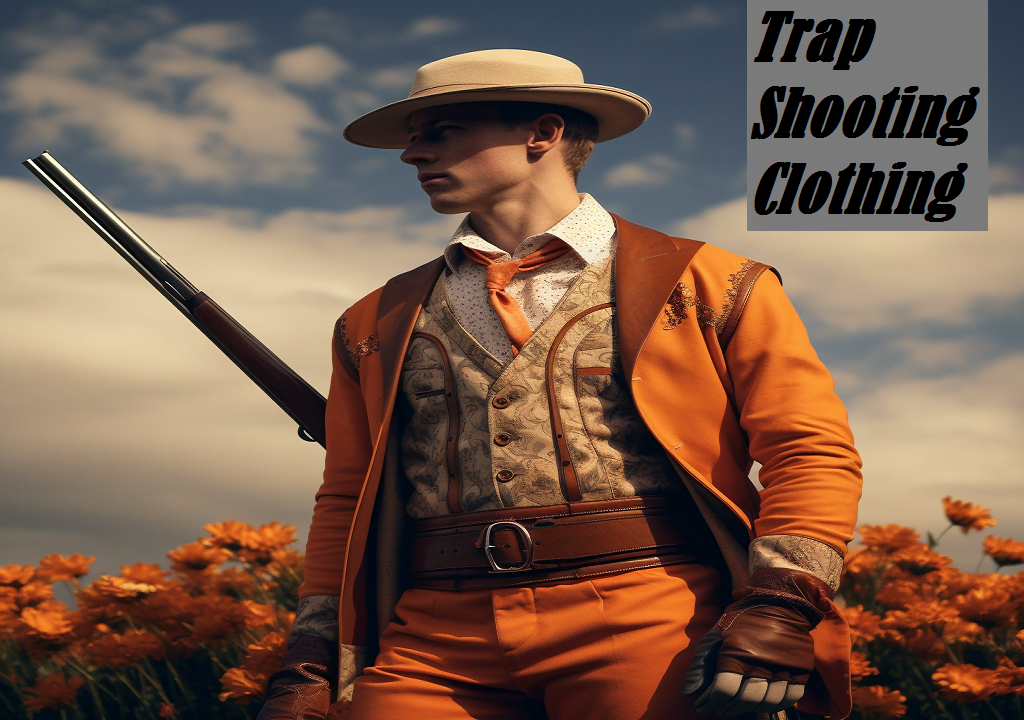
Trap shooting clothing should help you move safely, shoulder the shotgun cleanly, manage weather, and follow range rules. You do not need a fancy outfit to shoot trap well, but poor clothing can snag, distract you, block your mount, or leave you uncomfortable through a full round.
This guide covers practical clothing choices for trap shooting, including shirts, vests, eye and ear protection, footwear, weather layers, and common mistakes. Always follow the rules of your range, club, coach, or event.
Table of Contents
What Matters Most
The best trap shooting clothing is safe, quiet, and easy to move in. Your shirt or vest should let you mount the shotgun the same way every time. Your footwear should keep you stable on concrete, gravel, grass, or wet ground. Your eye and ear protection should stay in place through the round.
Safety comes first. The NSSF firearm safety resources are a useful reminder that clothing and gear never replace muzzle control, target awareness, and range commands. Trap shooters should also follow the rules of their local club or governing body, such as Amateur Trapshooting Association event rules where applicable.
Trap Shooting Clothing Checklist
| Item | What to look for | Why it matters |
|---|---|---|
| Shirt or base layer | Smooth shoulder area, comfortable fit, no loose strings | Helps with a consistent gun mount |
| Shooting vest or shell pouch | Easy shell access, secure pockets, right fit | Keeps shells organized without blocking movement |
| Eye protection | Impact-rated lenses that fit well | Protects eyes from fragments, debris, and sunlight |
| Ear protection | Proper noise reduction and secure fit | Helps protect hearing around repeated shotgun fire |
| Footwear | Stable sole, weather-appropriate traction | Supports balance and safe movement |
| Weather layer | Warm or rain-resistant without bulk | Keeps the mount consistent in changing conditions |
Upper-Body Clothing
Shirts
Choose a shirt that lets you raise your arms, rotate your shoulders, and mount the shotgun without pulling tight. Avoid bulky seams, loose hoodie strings, or slick material that causes the stock to slide around on your shoulder.
Vests
A shooting vest can be helpful because it carries shells and empties while keeping pockets easy to reach. The fit matters more than the look. If the vest bunches up, catches the stock, or shifts during the mount, it is hurting more than helping.
Recoil pads and shoulder panels
Some shirts or vests include a shoulder panel or pad. That can help some shooters manage repeated rounds, but it should not change the gun fit so much that your mount becomes inconsistent.
Eye Protection, Ear Protection, and Footwear
Eye and ear protection are not optional range extras. Trap shooting means repeated shots, flying clay fragments, powder residue, wind, and changing light. Use eye protection that fits your face and ear protection that stays sealed while you mount the gun.
The CDC/NIOSH noise guidance explains why repeated loud sound can damage hearing. Shotgun ranges can be loud, so choose hearing protection seriously and replace worn plugs or muffs when they no longer fit well.
For footwear, think about balance. Trap stations may be concrete, packed dirt, gravel, grass, or wet surfaces. Stable shoes or boots with enough traction are better than sandals, slick soles, or shoes that shift inside when you rotate.
Dress for Weather
Cold, heat, rain, and wind can all affect trap shooting. The trick is to dress for the weather without adding bulk that changes your mount. Thin layers often work better than one heavy jacket. In rain, use outerwear that sheds water but does not flap or catch on the stock.
- Cold weather: use thin layers and gloves that still let you handle shells safely.
- Hot weather: choose breathable fabric, sun protection, and hydration.
- Rain: avoid bulky rain gear that blocks the gun mount.
- Wind: avoid loose clothing that flaps or distracts you at the station.
Common Mistakes
- Wearing bulky shoulders: heavy seams or layers can change the gun mount.
- Skipping eye protection: clay fragments and debris can move unpredictably.
- Using poor hearing protection: repeated shotgun fire can damage hearing.
- Choosing slick footwear: unstable shoes make stance and rotation worse.
- Ignoring range rules: clubs and events may have clothing or safety requirements.
FAQ
Do I need a shooting vest for trap shooting?
No, but a vest can make shell handling easier. A shell pouch can also work. The main point is keeping shells accessible without blocking your mount or movement.
Can I wear a hoodie while trap shooting?
You can if your range allows it, but loose drawstrings and bulky shoulders can snag or distract you. A fitted layer is usually easier to shoot in.
What color lenses are best for trap shooting?
Lens color depends on light, background, and personal vision. Many shooters test different tints for bright sun, clouds, or orange targets. Fit and impact protection matter first.
Are jeans okay for trap shooting?
Jeans are usually fine if they let you stand and rotate comfortably. For cold or wet weather, you may want warmer or water-resistant pants that still allow easy movement.
What should beginners avoid wearing?
Avoid slick shoes, loose strings, bulky shoulders, open-toe footwear, and anything that blocks eye or ear protection. When in doubt, ask the range before you shoot.