Southland Archery Supply Buyer Checklist: Beginner Bow Fit and Setup
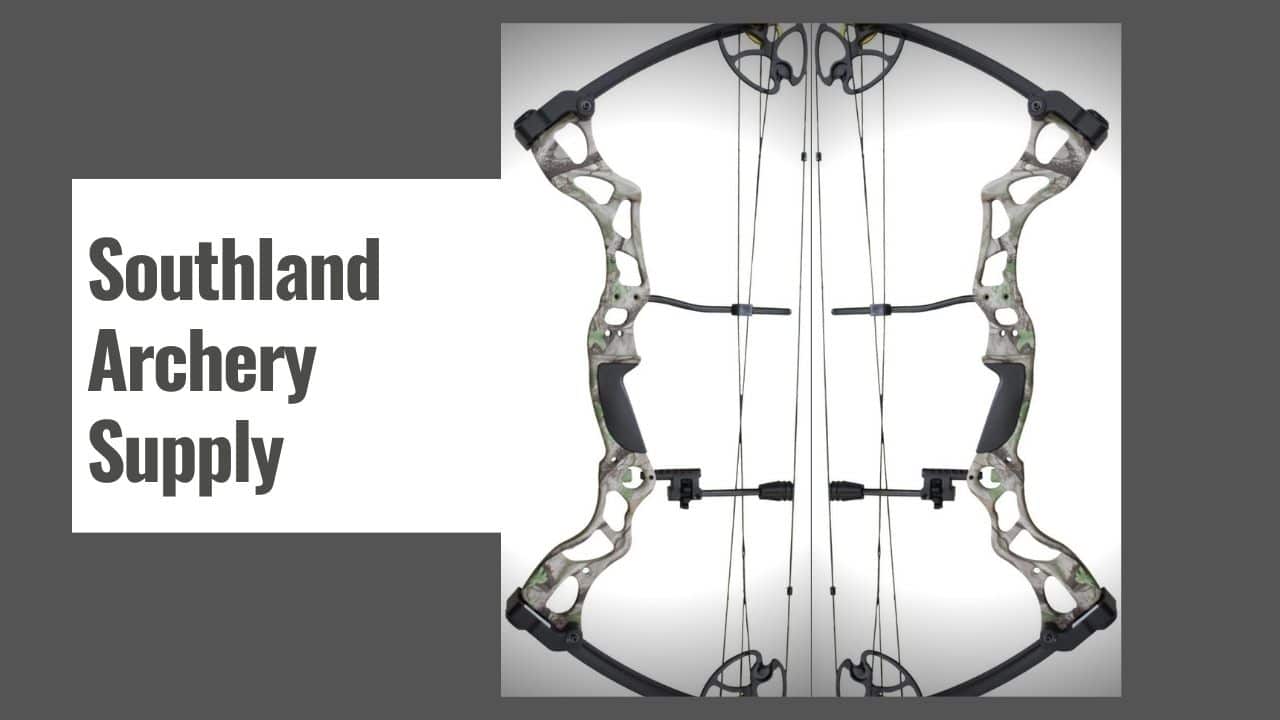
Southland Archery Supply bows and accessories often show up in beginner archery searches, but a brand name alone is not enough to choose the right bow. Fit, draw weight, bow type, setup quality, replacement parts, and support matter more than a short product description. A beginner bow should make safe practice easier, not push the archer into too much weight or a setup they cannot tune.
Use this guide as a buyer checklist before choosing a Southland Archery Supply bow or any similar entry-level archery setup. It does not claim hands-on testing or current product availability. It focuses on what to verify before buying, what questions to ask, and when to choose a local archery shop or a more established current model instead.
Table of Contents
Quick Answer
Before buying a Southland Archery Supply bow, confirm the bow type, draw weight, draw length or bow length, handedness, included accessories, return policy, and whether a local shop can help with setup. Beginners should start with a manageable draw weight and a bow that supports safe, repeatable form.
If the listing does not clearly show fit details, string requirements, included parts, or setup instructions, slow down and compare it with another option. A low price is not useful if the bow arrives with unclear specs, mismatched accessories, or no practical path for tuning and replacement parts.
What to Check First
Start with the job of the bow. A beginner target bow, youth bow, hunting bow, and backyard practice bow are not the same purchase. The right choice depends on the archer’s size, strength, experience, and practice environment.
- Bow type: recurve, longbow, compound, or youth bow.
- Handedness: right-hand or left-hand setup.
- Draw weight or limb weight range.
- Bow length or draw-length range.
- Included string, rest, sight, nocking point, arrows, or case.
- Whether setup tools or shop tuning are needed.
- Return policy and replacement-part availability.
Do not assume a package is complete just because it is marketed as a starter kit. Some kits include arrows, a rest, and a stringer; others need important pieces before safe practice. Read the listing carefully and compare the included parts with what a new archer actually needs for the first session.
Recurve vs Compound Fit
A recurve bow is usually simpler, with fewer moving parts and a traditional feel. It can be a good learning tool, but the archer holds the full draw weight at full draw. For background, see the recurve bow overview.
A compound bow uses cams and cables, often with let-off at full draw. That can make aiming feel steadier, but it adds setup complexity. For a broader equipment background, the compound bow overview explains the general design.
For a first bow, simplicity can be useful. A recurve is easier to understand, but it still needs the right draw weight, arrow spine, string length, nocking point, and safe range setup. A compound can be easier to hold at full draw, but it normally needs draw-length adjustment and more careful tuning.
Draw Weight and Length
Draw weight should match the archer’s current ability, not future ambition. If the archer has to lean back, jerk the string, or lose control at full draw, the bow is too heavy. That leads to bad form and unsafe practice.
For recurves, remember that the archer holds the full draw weight while aiming. For compounds, check the draw-length range, let-off, and adjustment method. A bow with the wrong draw length can force poor posture even if the draw weight seems manageable.
Youth and beginner archers usually benefit from lighter weight, more practice, and good coaching. A heavier bow does not make a new archer better. A properly fitted bow that encourages repeatable form does.
Accessories and Setup Needs
Entry-level archery packages can vary a lot. Check whether the package includes a rest, string, nocking point, sight, arrows, finger protection, arm guard, bow stringer, Allen keys, quiver, and case. Then check whether those accessories actually match the bow and archer.
Arrows deserve special attention. They must match draw weight, draw length, point weight, and intended use. Do not treat random included arrows as automatically correct. If arrow spine or length is unclear, ask a local shop or qualified coach before shooting.
Replacement Parts and Support
Budget bows can become frustrating when replacement parts are hard to find. Before buying, check whether strings, limbs, modules, rests, and other wear parts are available. Also check whether the seller clearly explains warranty support and returns.
This matters most for compound bows, because cams, cables, modules, and limb hardware are model-specific. If a model is old, renamed, or sold through inconsistent listings, it may be harder to maintain later. For simple recurves, replacement strings and limbs can still vary by length and fitting, so verify compatibility before assuming parts are universal.
Beginner Safety Checks
Beginner archery should start with safe range rules. Use a proper target and backstop, keep people clear of the shooting lane, inspect arrows before shooting, and never dry-fire a bow. Dry-firing can damage the bow and create a real injury risk.
Protective gear matters too. An arm guard and finger tab or release aid can make practice more comfortable and safer. If the archer is a child, use adult supervision and age-appropriate draw weight. If the bow is for hunting, check local laws, minimum draw-weight rules, and hunter education requirements before treating it as field-ready.
Red Flags Before Buying
- The listing does not show draw weight, draw length, bow length, or handedness.
- The included arrows are not described clearly.
- Replacement strings, limbs, or modules are hard to identify.
- The product images and written specs disagree.
- The seller does not explain returns or warranty support.
- The bow is marketed for beginners but has a high draw weight.
- The package implies hunting use without explaining legal and setup requirements.
Who Should Consider This Type of Bow?
A Southland Archery Supply-style starter bow may make sense for a budget-conscious beginner who wants to learn basic form, understands that setup matters, and has access to a local shop, club, or experienced archer for help. It is less ideal for someone who wants guaranteed long-term parts support, a fully tuned hunting setup, or a premium bow with broad dealer support.
If you are buying for a young archer, prioritize fit and safe draw weight over brand, speed, or package size. If you are buying for hunting, verify legal draw weight, broadhead compatibility, arrow setup, and local regulations before choosing any bow.
FAQ
Is Southland Archery Supply good for beginners?
It can be worth considering if the exact bow fits the archer and the listing clearly explains draw weight, handedness, included parts, and support. Do not buy only because it is inexpensive. Fit and setup matter more than brand name.
Should a beginner choose a recurve or compound bow?
A recurve is simpler and useful for learning form, while a compound can be easier to hold at full draw but needs more tuning. The best choice depends on the archer’s size, strength, budget, and access to setup help.
What draw weight should a beginner use?
Use a draw weight the archer can control smoothly without leaning, shaking, or jerking the string. For many beginners, lighter is better because it allows more safe practice and better form development.
Can a starter bow be used for hunting?
Only if it is legal where you hunt, fitted correctly, tuned properly, and paired with suitable arrows and broadheads. Many starter bows are better treated as practice or target bows until a qualified shop confirms the setup.