Gun Cleaning Solvents and Oils: What to Use, Where, and Safely
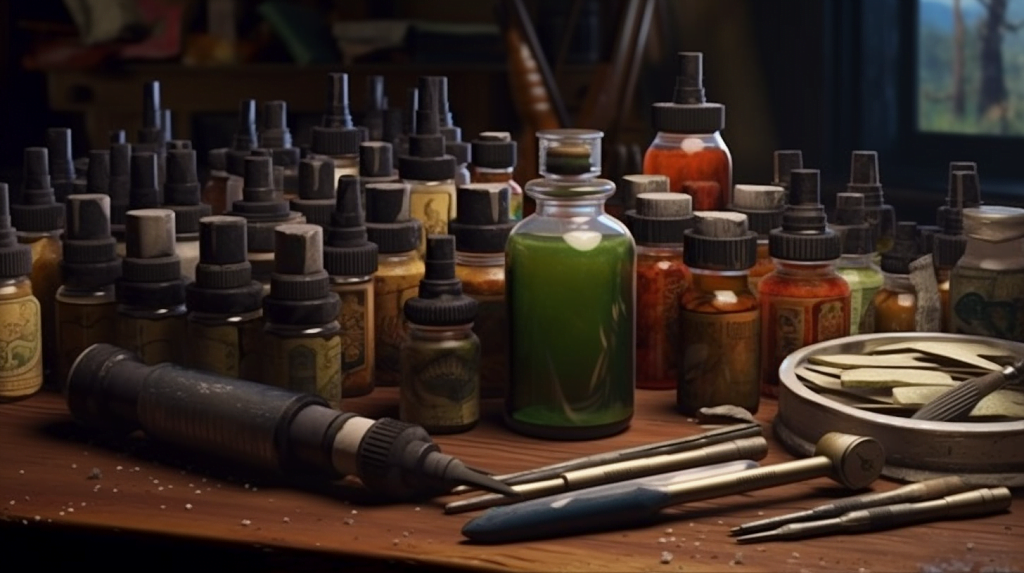
Gun cleaning solvents remove fouling and residue, while gun oils reduce friction and help protect metal from rust. Using the right product in the right place keeps maintenance safer and more predictable. Using the wrong product, too much product, or a mixed chemical mess can create reliability problems.
This guide explains the difference between solvents, oils, greases, and protectants in plain language. Always follow the manual for your exact firearm, work in a ventilated area, and keep ammunition away from the bench while cleaning.
Table of Contents
Why Cleaning Products Matter
Firearms collect carbon, powder residue, copper, lead, plastic wad fouling, dust, lint, moisture, and old lubricant. Cleaning products help remove that buildup and leave the right amount of lubrication where parts move against each other.
The goal is not to soak the firearm until it drips. The goal is to clean the right areas, dry the parts that should not stay wet, and apply a light amount of lubricant where the manual recommends it. Good safety habits still come first. Before cleaning, unload the firearm, remove ammunition from the workspace, and follow basic firearm safety rules such as the NSSF rules for safe gun handling.
What Gun Cleaning Solvents Do
A solvent is used to loosen and remove fouling. Different solvents are made for different jobs, so read the label before using one on bore surfaces, polymer frames, wood stocks, optics, finishes, suppressors, or plated parts.
Carbon and Powder Solvents
Carbon and powder solvents help remove residue from the bore, chamber, bolt face, cylinder face, slide rails, and other dirty areas. They are common for routine cleaning after range use. Let the product do the work for the time listed on the label, then wipe or patch it out.
Copper and Lead Removers
Copper and lead removers are stronger, more specific products. They can be useful when a bore has visible fouling or accuracy has started to fall off, but they may also be harsher on finishes and materials. Follow dwell-time instructions carefully and do not leave aggressive solvents sitting longer than directed.
Shotgun Plastic Fouling Cleaners
Shotgun barrels can collect plastic residue from wads. A normal bore solvent may help, but some cleaners are better suited for plastic fouling. Use a proper brush or patch setup for the gauge and avoid damaging the crown, choke threads, or chamber area.
Degreasers
Degreasers remove oil and residue, but they can also strip protection from metal. If you degrease a part, it may need fresh lubrication or rust protection afterward. Keep degreasers away from materials that the label warns against.
What Gun Oils Do
Gun oil reduces friction on moving parts and leaves a light protective film on metal. Oil is not a substitute for cleaning, and more oil is not always better. Too much oil can attract grit, migrate into places it should not go, or cause sluggish operation in cold weather.
- Use oil lightly: rails, hinge points, pins, bolt contact areas, and other manual-approved friction points may need a small amount.
- Wipe excess: a wet surface is not usually better than a thin film.
- Watch the weather: cold, rain, dust, and storage conditions can change what works best.
- Protect the bore correctly: some owners leave a light protective film for storage, then patch it out before shooting. Follow the manual.
Hunter education resources also recommend cleaning and maintenance as part of responsible firearm ownership. The Hunter Ed firearm cleaning and maintenance guide is a useful safety-focused reference.
Grease, CLP, and Rust Protectants
Gun Grease
Grease is thicker than oil and may stay in place better on certain sliding surfaces. It can be useful on some rails, locking lugs, hinge points, or high-friction areas, but it can also collect dirt and slow parts in cold weather. Use it only where the firearm maker or a qualified gunsmith recommends it.
CLP Products
CLP stands for cleaner, lubricant, and protectant. These products are convenient for routine maintenance, but a one-bottle product may not remove heavy copper, lead, or stubborn carbon as well as a dedicated solvent. CLP is useful, but it is not magic.
Rust Protectants
Rust protectants are useful for storage, humid climates, and firearms carried in rain or snow. They should still be applied lightly and wiped where needed. Before shooting, check whether the bore or chamber needs to be dried according to the manual.
Safe Use and Storage Tips
Solvents and oils are chemicals. Treat them with the same care you would use for paint, fuel, adhesives, or shop cleaners. Read the label, avoid breathing heavy vapors, and keep products away from children, pets, food, and heat sources. General workplace chemical guidance from OSHA’s chemical hazards resources is a helpful reminder to pay attention to ventilation, labeling, and exposure.
Before using a strong solvent, copper remover, degreaser, or aerosol oil, check the product label and the current safety data sheet when one is available. OSHA’s Hazard Communication guidance explains why labels and SDS information matter for chemical hazards, protective equipment, storage, first aid, and spill response. If the label or SDS conflicts with a firearm manual, stop and ask the product maker or a qualified gunsmith before using it on that firearm.
- Unload the firearm and remove ammunition before cleaning.
- Use a ventilated area, especially with strong solvents.
- Wear gloves or wash hands after handling chemicals and lead residue.
- Do not mix solvents unless the labels clearly say it is safe.
- Keep bottles closed when not in use.
- Store oily rags safely and dispose of waste according to local rules.
- Keep solvents away from optics, painted markings, polymer, wood, leather, and rubber unless the label says they are safe for those materials.
Common Mistakes to Avoid
- Using too much oil: excess oil can trap grit and migrate into ammunition, optics, wood, or parts that should stay dry.
- Leaving strong solvent too long: aggressive cleaners can harm finishes or materials if ignored.
- Skipping the manual: every firearm has model-specific care points.
- Cleaning from the wrong end: careless rod use can damage the crown or chamber area.
- Mixing products: chemical reactions and residue problems are possible when products are combined blindly.
- Forgetting storage conditions: humidity, salt air, sweat, rain, and long storage can require extra rust prevention.
If you are working on an older firearm, a modified firearm, or a gun with an unknown history, be extra cautious. For legal ownership and transfer questions, rely on official resources such as the ATF firearms information pages and your state or local authorities.
FAQ
What is the difference between gun solvent and gun oil?
Gun solvent removes fouling and residue. Gun oil lubricates moving parts and helps protect metal. Many cleaning problems happen when people expect one product to do the job of the other.
Can I use household oil on a firearm?
It is better to use a firearm-safe lubricant and follow the manual. Household oils may gum up, migrate, attract dirt, or fail to protect parts as expected.
Should a gun barrel be oily before shooting?
Many owners leave a light protective film for storage and then run a dry patch before shooting. Check your manual because bore condition matters for safety, pressure, and accuracy.
How often should I clean my firearm?
It depends on the firearm, ammunition, weather, storage, and use. Clean after wet or dirty conditions, before long storage, and according to the owner’s manual. Range-only firearms may have different needs than hunting or carry firearms.
Can too much oil cause problems?
Yes. Too much oil can collect dust, slow moving parts, seep into wood, or migrate where it does not belong. A thin film in the correct places is usually better than a wet firearm.