Processing a Deer in Hot Weather: Field Care, Cooling, Transport, and Safety
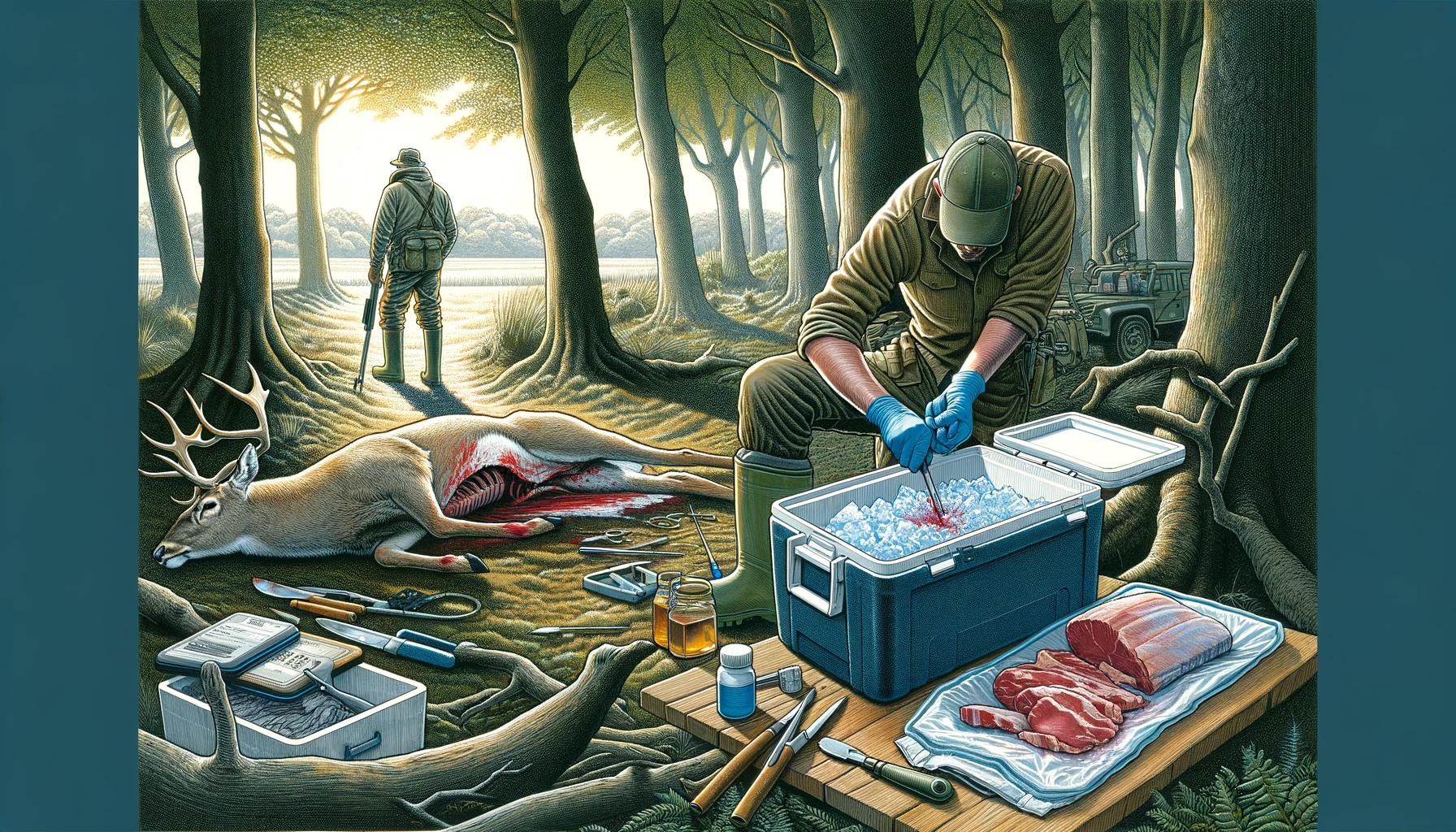
Processing a deer in hot weather is a race against heat, dirt, insects, and delay. The goal is not to rush so fast that you cut corners. The goal is to cool the carcass, keep the meat clean, and make careful decisions from the shot site to the cooler. Warm temperatures shorten your margin for error, especially if the animal is not recovered quickly or if the body cavity stays closed for too long.
This guide focuses on practical field care, not bravado. If meat smells sour, looks badly contaminated, has been left warm too long, or came from an animal that appeared sick, do not treat it as normal table fare. When in doubt, ask a local wildlife agency, processor, extension office, or food-safety professional before eating it.
Table of Contents
Quick Answer
Cool it fast and keep it clean
In hot weather, recover the deer as quickly and safely as the shot allows, field dress it promptly, open the body cavity for airflow, keep dirt and stomach contents off the meat, and move the carcass to shade, ice, refrigeration, or a processor as soon as possible. Heat does not give you extra time. It reduces it.
Do not save questionable meat
If the deer was not recovered for a long time in warm conditions, if the meat smells bad, if the gut was badly ruptured, or if the animal appeared sick before the shot, be cautious. Trimming does not fix every problem. Food safety matters more than pride or tag value.
Before the Shot
Plan the recovery before you hunt
Hot-weather meat care starts before the shot. Know how far you are from the truck, road, cooler, processor, or camp. Bring sharp knives, gloves, clean game bags, water or wipes for cleanup, a light if evening recovery is possible, and enough cooler space or ice for the animal you may harvest.
Choose shots you can recover cleanly
A marginal shot is always a problem, but warm weather makes it worse. Long tracking jobs, overnight waits, and slow recoveries can turn meat care into a guessing game. Take only shots you can make with confidence, and pay attention to shot angle, animal reaction, blood sign, weather, and terrain.
Recovery Timing
Balance recovery with meat care
Some hits require waiting so the animal can bed and expire. Other hits call for a faster follow-up. Hot weather does not remove the need for good tracking judgment, but it does make time more important. Mark the shot site, watch the travel direction, and make a careful decision based on the sign, not panic.
Use help when needed
If legal in your state, a trained tracking dog or an experienced tracker can shorten recovery time and reduce waste. Know the dog-tracking rules before the season. Do not wait until dark in hot weather to learn that your state has specific requirements or contact procedures.
Field Dressing in Heat
Open the body cavity promptly
Once the deer is recovered and tagged according to local law, field dress it as soon as practical. Removing the internal organs helps heat leave the body cavity and reduces the chance of spoilage. Work carefully so you do not puncture the stomach, intestines, bladder, or other contents that can contaminate meat.
Keep the cut controlled
Use a sharp knife and deliberate cuts. A dull knife forces more pressure and makes slips more likely. Keep hair, dirt, leaves, and stomach contents away from exposed meat. If contamination happens, trim affected tissue generously later rather than smearing it around with water or a dirty rag.
Cooling the Carcass
Airflow matters
Heat trapped inside the body cavity is the enemy. Prop the cavity open when possible, hang the deer if conditions and law allow, and move it to shade quickly. Avoid piling gear, plastic, or tarps around the carcass in a way that traps heat. Game bags can protect quarters from insects while still allowing some airflow.
Quartering can speed cooling
In very warm conditions or remote areas, quartering the deer and getting the meat into clean game bags can cool it faster than leaving the carcass whole. Keep meat off the ground, out of direct sun, and away from flies. If you bone out meat, keep track of legal evidence-of-sex and tagging requirements for your state before removing parts that may be required during transport.
Keeping Meat Clean
Use clean hands and tools
Disposable gloves, clean knives, and clean game bags make a difference. Change gloves or wipe tools if they contact stomach contents, dirt, or hair. Do not lay meat on a truck bed, tailgate, or camp table that is covered in fuel, blood, mud, or old food residue.
Do not wash problems deeper
A small amount of clean water can help rinse visible debris, but soaking meat or splashing dirty water around can spread contamination. In many cases, trimming contaminated surfaces later is cleaner than trying to wash everything in the field. Keep the meat dry enough to cool and clean enough to process.
Transport and Ice
Use ice without soaking the meat
Ice is useful, but meat should not sit in bloody meltwater for hours. Use sealed bags of ice, drain coolers regularly, or keep meat separated from standing water. The goal is cold meat, not waterlogged meat. If the drive is long, bring more ice than you think you need.
Get to refrigeration quickly
Warm-weather deer should move quickly toward a processor, walk-in cooler, refrigerator, or properly managed ice chest. Do not leave a deer in the sun, in a closed truck bed, or hanging in a warm garage while you handle other chores. The clock is not your friend in heat.
When to Walk Away From Meat
Trust serious warning signs
Strong sour odor, greenish discoloration, gas buildup, slime, heavy contamination, unknown recovery time in heat, or signs that the animal was sick before harvest are all reasons to slow down and ask for help. Do not rely on spices, smoke, freezing, or cooking to make questionable meat feel acceptable.
Separate questionable sections
If only one area was damaged or contaminated, keep it separate from clean meat and decide carefully later. Do not grind questionable scraps into otherwise good venison. Grinding spreads contamination through the batch and removes your ability to inspect individual pieces.
Processor or Home Butchering
Call ahead in warm weather
If you plan to use a processor, call ahead when possible. Some processors have drop-off hours, tag requirements, skinning rules, or limits during warm weather. Showing up with a warm carcass after hours is a bad plan for both meat quality and food safety.
Keep home butchering cold and organized
If you process at home, work in a clean, cool space. Keep knives, boards, tubs, and grinder parts clean. Work in batches so meat stays cold. Label packages with date and cut. Freeze promptly after packaging. Good venison starts in the field, but it can still be ruined by sloppy work at home.