Night Vision vs Thermal Scopes: Which Is Better?
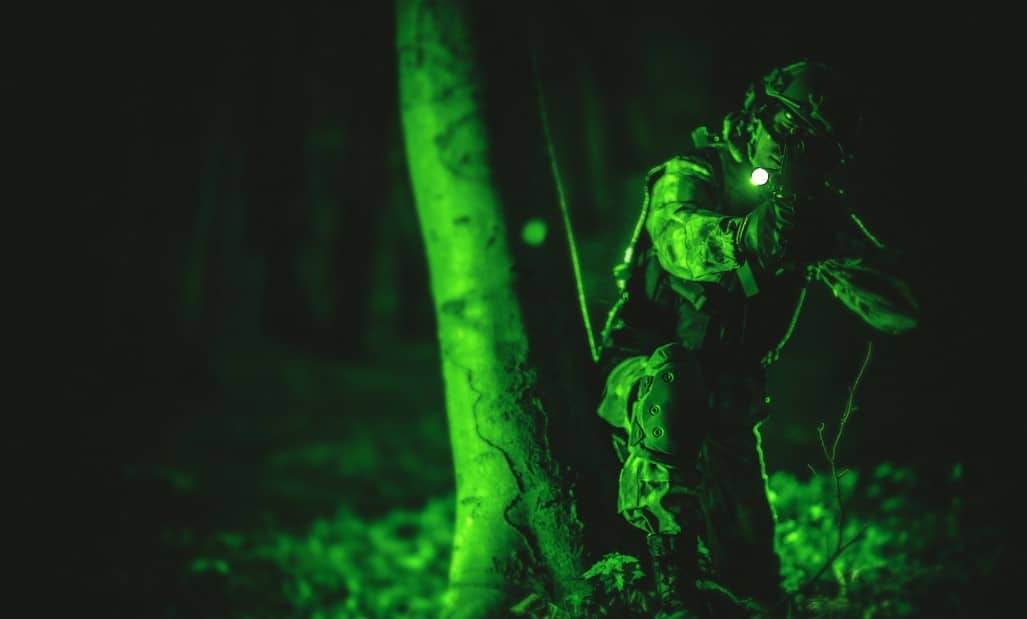
Night vision scopes amplify available light so you can see a brighter image in dark conditions. Thermal scopes detect heat differences and build an image from infrared radiation. Night vision is usually better for identifying detail when there is enough light. Thermal is usually better for detecting warm animals or objects in darkness, brush, smoke, or fog.
Table of contents
The better choice depends on your use case, legal rules, budget, identification needs, and safety requirements. For hunting, the most important rule is simple: never use either technology to shoot unless you can clearly identify the target, confirm what is beyond it, and follow current local laws.
Table of contents
Quick Answer: Night Vision Or Thermal?
Choose night vision if you need a more natural-looking image, better object detail, and lower cost when some ambient light or an infrared illuminator is available. Choose thermal if your main need is detecting heat signatures in total darkness, brush, fog, or mixed backgrounds. Many serious users treat thermal as a detection tool and night vision or visible light as an identification tool.
Best Simple Rule
Thermal helps you find heat. Night vision helps you see shape and detail when light is available. Neither tool replaces safe target identification.
Main Difference Between Night Vision And Thermal
The core difference is what each device reads. Night vision uses available light, often with help from infrared illumination. Thermal imaging reads heat energy, not visible light. That is why thermal can work in complete darkness, while traditional night vision needs some light or illumination.
Night Vision Needs Light
Night vision devices amplify low levels of light. Moonlight, starlight, or an infrared illuminator can help. Without enough usable light, image quality drops.
Thermal Needs Heat Contrast
Thermal devices detect temperature differences. A warm animal against a cooler background can stand out clearly. If the background and target are close in temperature, the image may be less distinct.
How Night Vision Scopes Work
Night vision equipment gathers low light and turns it into a visible image. Traditional image-intensifier systems use optics and electronics to amplify light. Digital night vision uses sensors and displays to create the image.
Strengths Of Night Vision
- Often gives more recognizable shape and detail than thermal.
- Can be more affordable than quality thermal optics.
- Useful for navigation and observation when light is available.
- Can work well with infrared illuminators where legal and practical.
Limitations Of Night Vision
- Needs light or an illuminator.
- Can struggle in heavy brush, smoke, or deep shadows.
- Bright lights may reduce visibility or affect some devices.
- Performance varies widely by generation, sensor, glass, and display.
How Thermal Scopes Work
Thermal scopes detect infrared radiation from objects and display heat differences as an image. The concept is related to thermal imaging, where differences in emitted heat are translated into a visible display.
Strengths Of Thermal
- Works in complete darkness.
- Excellent for detecting warm animals or objects.
- Can help spot heat through light brush, fog, or smoke better than visible-light optics.
- Useful for scanning large areas quickly.
Limitations Of Thermal
- Often more expensive than night vision.
- May show less fine visual detail for identification.
- Can be affected by heat-soaked backgrounds and weather.
- Requires practice to interpret correctly.
Night Vision Vs Thermal Scopes: Side-By-Side Comparison
| Factor | Night Vision | Thermal |
|---|---|---|
| Image source | Amplified light or digital low-light image | Heat differences |
| Total darkness | Needs light or IR illuminator | Works without visible light |
| Detection | Good with enough light | Usually excellent |
| Identification detail | Often better | Can be limited by resolution and contrast |
| Brush/fog/smoke | Often weaker | Often stronger for heat detection |
| Cost | Often lower | Often higher |
| Learning curve | Moderate | Requires interpretation practice |
Do Not Compare Only By Range Claims
Detection range, recognition range, and identification range are not the same. A device may detect a heat source far away but still not let you identify exactly what it is. For hunting, identification is the line that matters.
Night Vision Vs Thermal For Hunting
For hunting, thermal is often better for finding animals, while night vision can be better for seeing more natural detail. Some hunters use thermal scanners to locate heat and another optic to confirm identity, but legal rules vary widely.
Predator And Hog Hunting
Thermal can be valuable for locating warm animals in open fields or mixed cover. Night vision may help with navigation and identifying shape where light is available. Always confirm species, backstop, and legal status before taking a shot.
Deer And Big Game Rules
Many states restrict artificial light, night hunting, thermal optics, or night vision for certain species. Do not assume a device is legal because it is sold online. Check your state wildlife agency before using night technology for hunting.
Support Gear Still Matters
Low-light hunting also depends on navigation, communication, safe shooting lanes, and a plan for recovery. For broader preparation, see our fundamental hunting gear items guide.
Detection Vs Identification
This is the most important practical difference. Detection means you notice something is there. Identification means you know what it is. A heat blob is not enough for a safe shot.
Thermal Detection
Thermal can reveal animals that are hard to see with visible light. That makes it powerful for scanning. But at distance, fine details may be missing unless the device has enough resolution and the user has enough experience.
Night Vision Identification
Night vision can show shape, movement, and surrounding detail when light is available. It may help identify objects more naturally, but it can still fail in shadows, brush, or poor light.
Legal And Safety Notes
Night optics are heavily regulated in some hunting contexts. Laws can depend on species, season, device type, weapon, public or private land, and use of artificial light. Check current local rules before field use.
Export And Ownership Rules
Some night vision and thermal devices may also be subject to export controls or other restrictions. Retail availability does not mean every use or transfer is legal. When in doubt, verify before buying or traveling with the device.
Firearm Safety Still Comes First
Technology never replaces basic safety. Identify the target, know what is beyond it, and keep the muzzle pointed in a safe direction. The NSSF firearm safety rules remain relevant in daylight, darkness, and every optic setup.
Practice Before Hunting
Night devices change depth perception, field of view, battery management, menu use, and target appearance. Practice safely at a range or legal observation setting before depending on the device in the field.
Buying Tips: What To Compare
Do not buy night vision or thermal optics only by headline range or magnification. Compare the features that affect real use.
For Night Vision
- Image quality in real low-light conditions.
- IR illuminator compatibility and legality.
- Battery life and controls.
- Mounting and zero retention if used as a scope.
- Warranty and support.
For Thermal
- Sensor resolution and display quality.
- Refresh rate and image smoothness.
- Detection, recognition, and identification performance.
- Battery life and cold-weather behavior.
- Reticle, zeroing, recording, and warranty features.
For Both
Check weight, mounting height, eye relief, weather resistance, menu simplicity, battery type, and whether the device is legal for your intended use.
FAQ
Is thermal better than night vision?
Thermal is usually better for detecting heat in darkness or cover. Night vision is often better for more natural detail when light is available. Better depends on the job.
Can thermal scopes see through walls?
No. Consumer thermal optics do not see through solid walls. They detect surface heat differences. They may reveal heat patterns on surfaces, but that is not the same as seeing through them.
Does night vision work in total darkness?
Traditional night vision needs some light. In total darkness, it usually needs an infrared illuminator. Digital systems vary, but they also depend on sensor and illumination performance.
Is thermal legal for hunting?
It depends on the state, species, season, and equipment rules. Always check current wildlife agency regulations before using thermal or night vision for hunting.
Which is better for identifying animals?
Night vision often shows more recognizable visual detail, while thermal often detects animals faster. For safe hunting, detection is not enough. You must identify the animal and confirm a safe shot.
Related reading: night vision vs thermal guide and rifle scope magnification guide.
Final Thoughts
Night vision and thermal scopes solve different low-light problems. Night vision amplifies light and can show natural detail. Thermal detects heat and can find warm animals quickly. Choose based on legal use, identification needs, safety, terrain, and budget, not just the most dramatic range claim.