How to Eliminate Bowstring Contact From Your Face
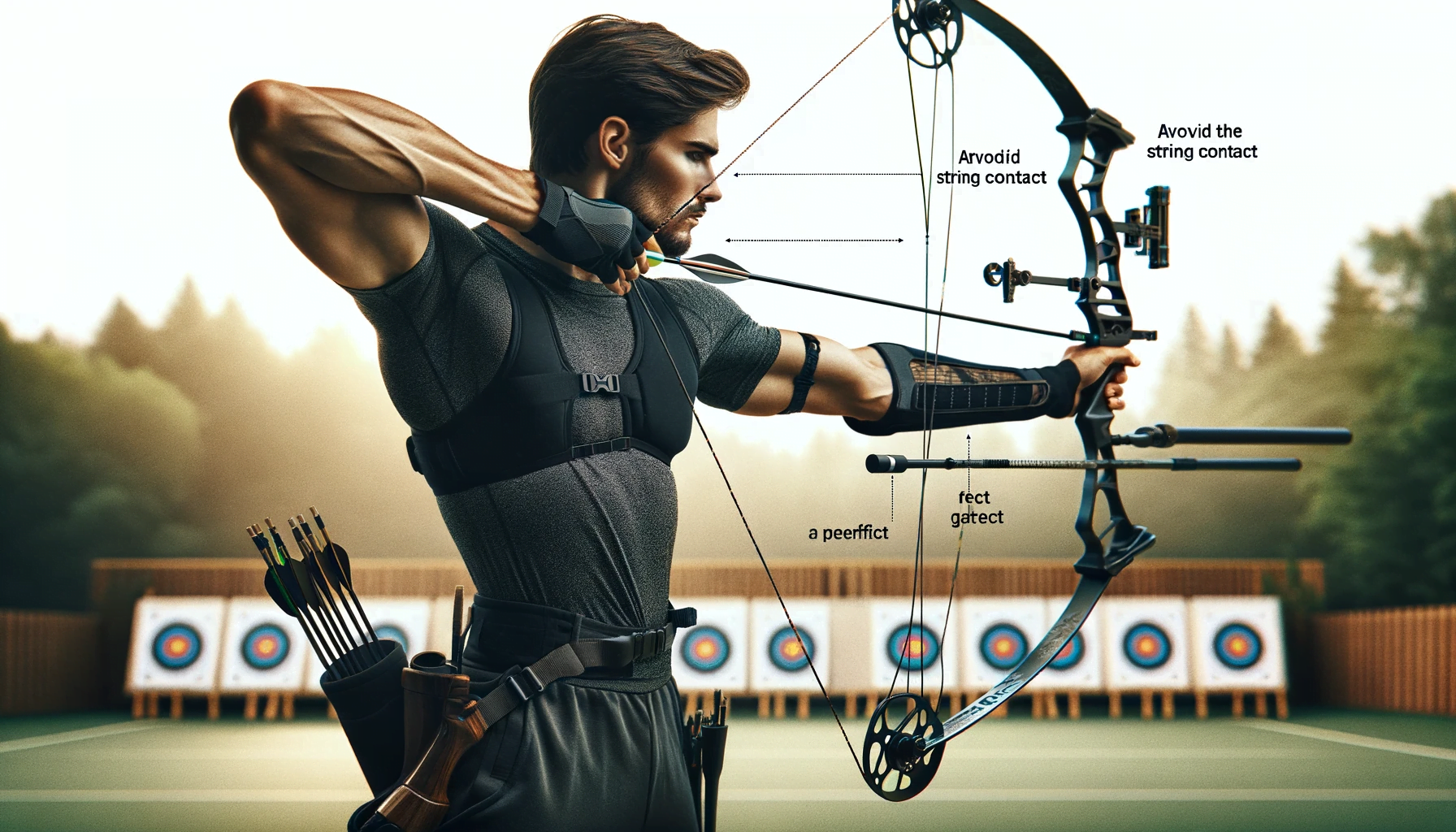
To eliminate bowstring contact with your face, check your draw length, anchor point, head position, bow shoulder, release hand, and string path. String slap usually means something in the bow fit or shooting form is forcing your face too close to the string during the shot.
Minor contact can cause flinching, bruising, poor follow-through, and inconsistent groups. Repeated string contact should not be ignored. Fix it patiently, use protective gear while troubleshooting, and ask a qualified coach or bow technician to check your setup if the problem continues.
Table of contents
Quick Answer: How To Stop Bowstring Face Contact
The fastest fix is to shorten or recheck draw length, relax your face against the anchor instead of pressing into the string, keep your head upright, avoid collapsing the bow shoulder, and let the release hand move naturally through the shot. If you are using a compound bow, a peep sight, D-loop, release aid, or anchor setup may also need adjustment.
Start With These Checks
- Is the draw length too long?
- Are you turning your head into the string?
- Is your anchor point too deep against your face?
- Are you collapsing or leaning at full draw?
- Is clothing, a face covering, or a loose hood near the string path?
- Does the problem happen with every shot or only when tired?
Why Bowstring Contact Happens
Bowstring contact happens when the string’s path after release intersects your face, chin, nose, mask, clothing, or facial hair. The string should pass cleanly forward. If it brushes or snaps into you, the bow and body are not working together cleanly.
Form Problems
Common form causes include leaning into the shot, tilting the head, pressing the cheek too hard into the string, drawing past a natural anchor, or dropping the bow shoulder. These habits can move your face into the string path.
Bow Fit Problems
If the draw length is too long, many archers compensate by stretching, leaning, or over-anchoring. That makes face contact more likely. A bow that fits well lets you reach full draw with balanced posture.
Clothing And Gear Problems
Cold-weather collars, face masks, loose hoods, long hair, and bulky gloves can all interfere with the string. Hunting clothing should be checked at full draw before the season, not only after a missed shot.
Safety First: Do Not Shoot Through Pain
String contact can cause bruising, cuts, and bad habits. If you are getting hit in the face, stop and troubleshoot. Do not keep shooting through pain until flinching becomes part of your shot routine.
Use Protective Gear While Troubleshooting
An arm guard, proper clothing, and a safe shooting environment are basic archery precautions. The USA Archery safety resources are a useful starting point for general range and shooting safety.
Check The Bow Before Continuing
Inspect the string, serving, cams, limbs, nocking point, D-loop, and release aid. If anything looks damaged or unfamiliar, have a bow shop check it. Do not experiment with a questionable bow at full draw.
Get Help If Needed
A coach or experienced pro shop technician can often identify the problem in a few shots. Video from the side and behind the archer can also show whether the head, shoulder, or release hand is causing contact.
Check Draw Length First
Draw length is one of the most common causes of string contact. If it is too long, you may overextend, lean backward, creep into the string, or bury the anchor too hard against your face.
Signs Your Draw Length May Be Too Long
- Your release elbow points too far behind you.
- You lean away from the target at full draw.
- Your nose or cheek is mashed into the string.
- You struggle to hold steady without collapsing.
- String contact gets worse as you get tired.
How To Fix Draw Length Issues
Do not guess with major adjustments. For a compound bow, draw length may be changed through modules, cam settings, or a different setup depending on the bow. A bow technician can measure and adjust it properly. For traditional bows, anchor and bow length choices matter too.
Why Fit Matters For Young Archers
Youth archers grow quickly, so draw length and draw weight should be checked often. If you are setting up a beginner or young shooter, see our youth archery safety and first bow setup checklist when available, or have a coach verify fit before heavy practice.
Fix Your Anchor Point
An anchor point should be repeatable, comfortable, and light enough that it does not force your face into the string. You need contact references, but you do not need to crush your cheek or twist your jaw into position.
Use Light Face Contact
Many archers use a nose-to-string or corner-of-mouth reference. That contact should be light. Heavy pressure changes string alignment and can create inconsistent left-right impact.
Keep The Anchor Repeatable
A changing anchor point creates changing string clearance. Practice drawing to the same place slowly before shooting groups. If the anchor only works when you twist your head, it is not a good anchor for you.
Check Peep Height
If your peep sight is too high or low, you may move your face unnaturally to see through it. Peep height should match your natural anchor and posture, not force the anchor to change.
Keep Your Head Upright And Still
Your head should come to the anchor naturally. Avoid reaching your face toward the string. Bring the bow and anchor into alignment while keeping the neck relaxed and upright.
Avoid Leaning Into The String
If you tilt or lean your head forward, the string has less room to clear. This is common when archers try too hard to force the sight picture. Settle into posture first, then aim.
Use Video From The Side
A side-view video can reveal head tilt, face pressure, shoulder collapse, and release-hand movement. Slow-motion video is especially useful because string contact happens quickly.
Keep The Jaw Relaxed
Tension in the jaw and neck can pull the face into the string. A relaxed jaw, consistent cheek reference, and quiet head position help the shot break cleanly.
Bow Shoulder, Stance, And Body Alignment
String contact is not only a face problem. The lower body, shoulders, and torso decide where the head and bow end up at full draw.
Use A Balanced Stance
Start with a stable stance and even pressure through both feet. If your stance is twisted, your upper body may compensate by leaning or collapsing into the string path.
Do Not Collapse The Bow Shoulder
A collapsed bow shoulder shortens your structure and can bring the string closer to your face. Keep the bow arm strong but not locked, and let the shoulder stay low and stable.
Watch Torso Lean
Leaning back or forward at full draw changes string alignment. If you need to lean to reach anchor, the draw length or anchor setup may be wrong.
Release And Follow-Through
A clean release allows the string to move forward without extra torque or face interference. Punching the trigger, plucking the string, or dropping the bow arm can make contact worse.
Use Back Tension And A Calm Release
Whether you shoot fingers, a recurve, a longbow, or a compound release, the shot should finish smoothly. Avoid jerking the hand away from the face. Let the release hand move naturally backward after the shot.
Do Not Drop The Bow Arm Early
Dropping the bow arm at release can change the string path and arrow flight. Maintain posture until the arrow is gone. This also improves group consistency.
Practice Blank Bale Work
Short-distance blank bale practice lets you focus on form without aiming stress. Use safe distances and a proper target. If face contact disappears during blank bale work but returns under aim, target panic or tension may be part of the issue.
Equipment Checks That Can Help
Technique matters most, but equipment can also cause or worsen string contact. Make small, deliberate changes and test one variable at a time.
D-Loop And Release Aid
A D-loop that is too long or short may change anchor feel. Release aid length also affects where your hand settles. Adjusting either can change face clearance, so make changes with help if you are unsure.
Brace Height And Bow Type
Brace height, bow design, and string angle can affect clearance. The general bow and arrow concept shows how bow design controls string movement, but your exact bow should be checked by its manual or a technician.
Clothing Test At Full Draw
If you hunt in bulky clothing, practice drawing safely while wearing that clothing before the season. Face masks, hoods, collars, and jacket sleeves can all move into the string path.
FAQ
Can bowstring contact with the face cause injury?
Yes. It can cause bruising, cuts, swelling, and flinching. If it happens repeatedly, stop and correct the problem instead of continuing to shoot through it.
Does string contact mean my draw length is too long?
It often can, but not always. Draw length, anchor point, head position, shoulder collapse, release style, and clothing can all contribute. Draw length is one of the first things to check.
Should the bowstring touch my nose?
Some archers use light nose contact as a reference, especially with compound bows. It should be light and repeatable, not painful or forceful. Heavy pressure can create inconsistency and contact problems.
Can a face mask cause string contact?
Yes. Loose masks, hoods, collars, and cold-weather layers can catch the string. Test your full hunting outfit at the range before hunting with it.
When should I ask a bow shop or coach for help?
Ask for help if contact continues after checking draw length, anchor, head position, and clothing. A coach or technician can inspect form and equipment more safely than guessing alone.
Final Thoughts
Bowstring contact with your face is fixable, but it should be treated seriously. Start with draw length, anchor point, head position, shoulder alignment, release, and clothing. Make one change at a time, practice carefully, and get expert help if the issue does not disappear quickly.