Essential Range Gear Checklist: Safety Items to Bring for a Range Day
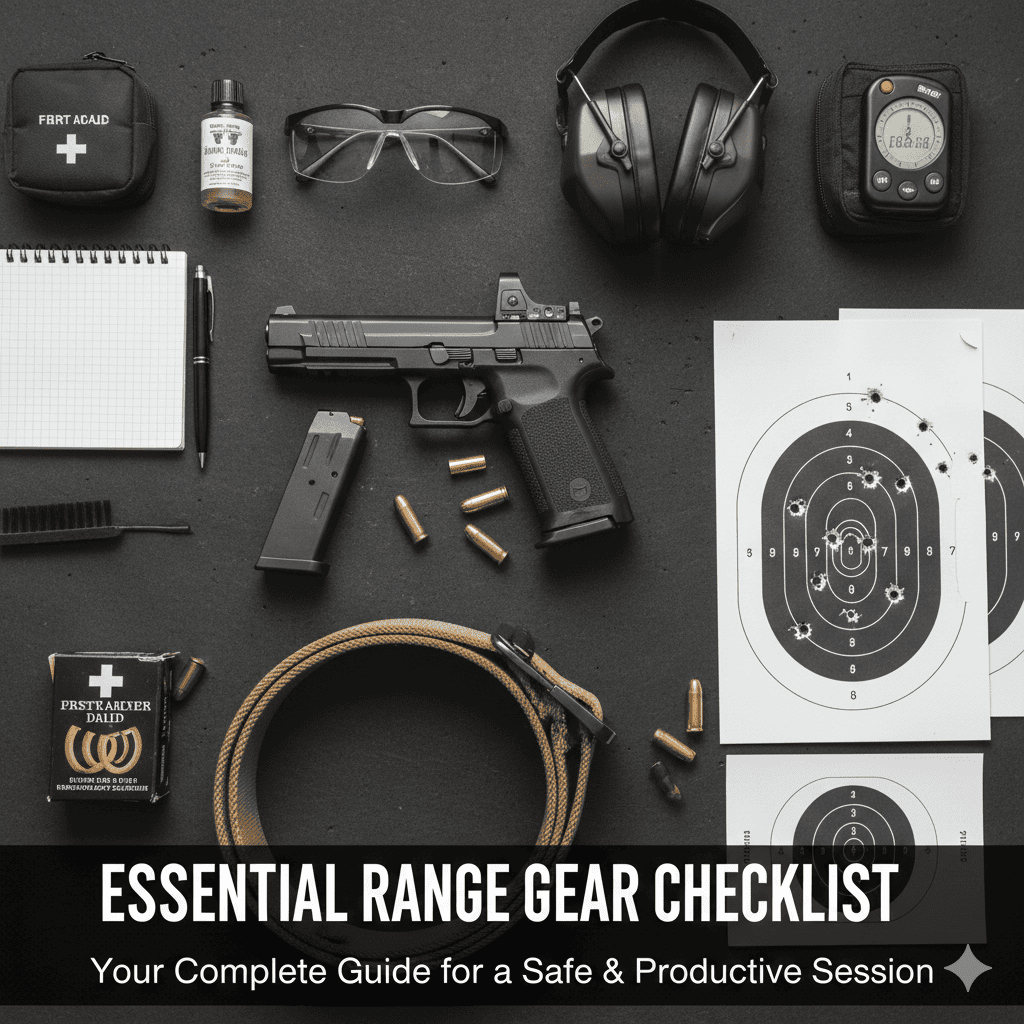
A safe, smooth range day starts with packing the right gear before you leave home. The essentials for most range trips are eye protection, hearing protection, the correct ammunition for your firearm, range-approved targets, an organized case or range bag, ID or membership items, and basic hygiene or cleanup supplies. This checklist is a planning aid, not legal or transport advice, so always follow your firearm manual, the range’s posted rules, and any range safety officer instructions.
Use the quick answer first, then read the sections below if you are preparing for a first range visit or rebuilding a range bag that has become cluttered.
Table of Contents
Quick Answer: Essential Range Gear For Beginners
For a typical range day, pack eye protection, hearing protection, the correct ammunition specified for your firearm, range-approved targets, a closed firearm case, ID and payment items, and cleanup or hygiene supplies. Keep safety gear easy to reach, keep ammunition clearly matched to the firearm, and confirm the range’s target and ammunition rules before you go.
Safety Gear To Pack First
Personal protective equipment comes before convenience gear. The first items in your checklist should be the items that protect your eyes, ears, hands, and general focus while you are around active firing lanes.
Eye Protection
Bring shooting glasses or impact-rated eye protection and wear them whenever you are on or near the firing line. Eye protection helps guard against ejected casings, fragments, and debris. Many ranges require it for shooters and spectators, so pack it where you can reach it quickly.
Ear Protection
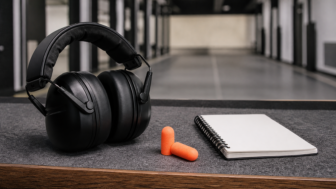
Bring hearing protection such as earmuffs, earplugs, or both together. The NSSF firearm safety rules include wearing eye and ear protection as a core range habit, and its shooting resources reinforce safety-first participation. If you are going indoors, double protection may be more comfortable for many shooters.
First Aid and Hygiene Items
A small first aid kit, hand wipes, and a simple cleanup pouch belong in the bag. You are not trying to build a medical kit here; the goal is to handle small range-day needs and clean your hands before eating, drinking, or leaving the facility.
Range Rules and Admin Items
Administrative items keep your visit smooth. Forgetting ID, a range card, payment, or required paperwork can end the trip before the first target goes up.
ID, Membership, Payment, and Waivers
Bring a valid ID, any required membership card, a payment method, and whatever waiver or check-in item your range requires. If you are visiting a new range, check the website or call ahead before packing the car.
Posted Rules and RSO Instructions
Read the posted rules when you arrive and follow the range safety officer’s instructions. Facilities can restrict target types, ammunition types, holster work, rapid fire, cleanup procedures, and handling areas. The posted rules at that range are the authority for that visit.
Firearm, Ammunition, and Target Checks
Range gear is not only accessories. The most important packing checks are whether the ammunition, magazines, targets, and firearm-support items match your firearm and the range’s rules.
Correct Ammunition
Bring only ammunition specified for your firearm and allowed by the range. Some ranges restrict ammunition types such as steel-core, tracer, or certain calibers, especially indoors. Confirm both your firearm manual and the range’s ammunition policy before packing.
Range-Approved Targets
Bring targets the range permits, plus the tools needed to post them if the range expects you to supply tape, clips, or staples. Paper or cardboard targets are the common starting point, but you should still confirm size, material, and hanging rules before arriving.
Range Bag and Bench Supplies
A few bench supplies make the day easier: tape or a stapler, a marker, a notebook for recording settings, a small cloth, and any simple tool that came with your firearm. Keep the firearm in a closed case when moving to and from the facility, and organize the bag so safety gear is not buried under loose accessories.
Indoor Range Hygiene
Indoor ranges can involve noise and lead-residue concerns, so follow the range’s hygiene rules and wash your hands after shooting. Avoid eating or drinking on the firing line. For broader context, CDC/NIOSH indoor firing range guidance and OSHA lead information explain why ventilation, housekeeping, and hygiene matter in shooting-range environments.
Printable-Style Range Gear Checklist
Use this as a final packing check and adjust it to your range’s posted rules.
- Eye protection
- Hearing protection
- Correct ammunition for your firearm, allowed by the range
- Range-approved targets and target-hanging tools
- Closed firearm case
- ID, membership card, payment, and waiver if required
- First aid kit and hygiene wipes
- Marker, notebook, tape, clips, or stapler
- Water and personal comfort items
- Cleanup bag or brass container where allowed
Common Range Gear Mistakes
The most common mistakes are forgetting eye or ear protection, bringing ammunition the range does not allow, packing targets that cannot be used, and arriving without required ID or payment. A two-minute checklist pass before leaving home prevents most of these problems.
Related Range Safety Guides
For deeper range habits, read our shooting range safety rules guide. If your main question is protective gear, our guide to eye and ear protection when shooting explains why those items belong at the top of the range bag.
Frequently Asked Questions
What should a beginner bring to the shooting range?
A beginner should bring eye protection, hearing protection, the correct ammunition for the firearm, range-approved targets, a closed case, ID and payment, and basic hygiene supplies. Check the range rules before adding targets, ammunition, or special equipment.
Do I need both earplugs and earmuffs?
Some shooters use both together, especially indoors where sound can feel more intense. Use hearing protection that fits well and follow your range’s requirements. If you are unsure, ask the range staff before shooting starts.
Can I bring my own targets and ammunition?
Often yes, but it depends on the facility. Many ranges restrict certain target materials, calibers, or ammunition types. Confirm the posted rules and your firearm manual’s ammunition specification before packing.
Why does range hygiene matter indoors?
Indoor ranges can involve noise and residue exposure, so hygiene habits matter. Follow the range’s posted rules, avoid eating or drinking on the firing line, and wash your hands after shooting.