Crossbow Deer Hunting: 10 Safety Checks Before the Season
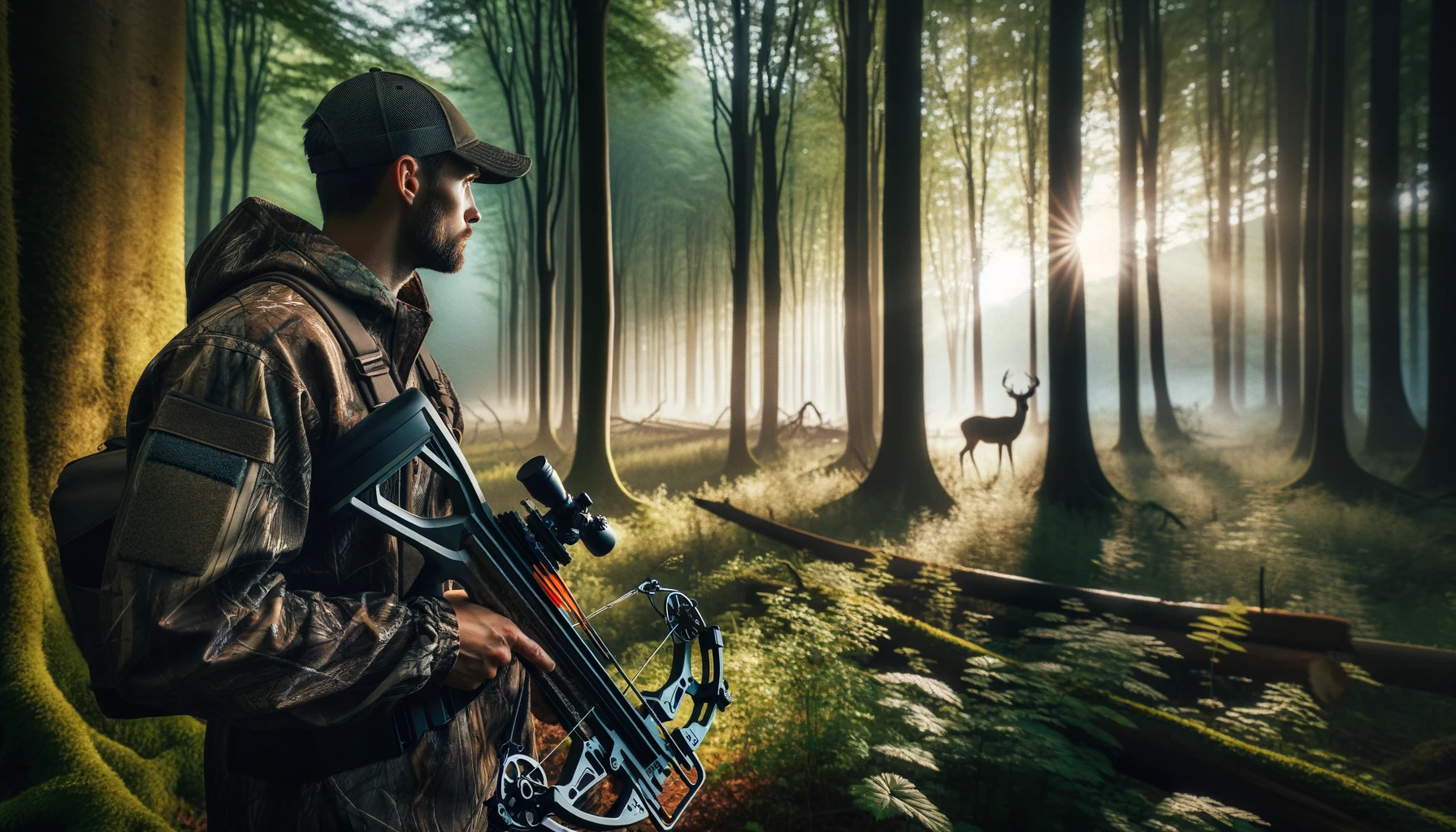
Crossbow deer hunting starts with legal permission, safe handling, and a shot distance you have practiced. Before you hunt, confirm your state rules, inspect the crossbow, use matched bolts and broadheads, practice from realistic positions, and pass any shot where the deer, backstop, angle, or recovery path is uncertain.
This is a support guide for hunters who want a safer crossbow deer hunting checklist. It is not a product roundup, legal advice, or a replacement for hunter education, your crossbow manual, local regulations, or a qualified instructor.
Table of contents
Crossbow Deer Hunting: Quick Answer
For crossbow deer hunting, use a legal crossbow setup, bolts that match the manual, broadheads that fly with your setup, and a practiced maximum distance. Most hunters should treat crossbow range as a personal practice limit, not a number copied from someone else. If the shot is outside your verified ability or the deer angle is poor, wait.
Keep the guide support-only
This page helps with safety and planning. If you need a product list, use a separate verified product roundup where each crossbow, bolt, and broadhead has current source data.
Know your rules first
Crossbow rules vary by state, season, age, disability permit, draw weight, broadhead type, and public land. Check the current state wildlife agency rules before buying tags or planning a hunt.
Practice from hunting positions
A bench group is not enough. Practice seated, kneeling, from a blind window, from a safe elevated setup if legal, and with the same clothing and rest you will use in the field.
Legal and Season Check
Crossbow deer hunting can be legal in one season and restricted in another. Some states treat crossbows differently from vertical bows, muzzleloaders, or firearms. Start with the official hunting digest for your state and the property you plan to hunt.
Check crossbow eligibility
Some places allow crossbows during archery season for all hunters, while others limit them by season, permit, or hunter category. Do not rely on old forum posts or last year’s rules.
Check equipment rules
Rules may cover minimum draw weight, broadhead width, mechanical broadheads, scopes, illuminated reticles, cocking devices, transport, and whether the crossbow can be carried cocked.
Check deer tags and reporting
License, tag, harvest reporting, antler restrictions, and zone rules can matter as much as the crossbow itself. The U.S. Fish and Wildlife Service’s hunting page is a useful federal starting point, but state rules usually decide the details.
Crossbow Setup
A crossbow is only safe and accurate when the bow, string, scope, rail, bolts, and broadheads work as a matched system. Use the manual for the exact model, not generic advice.
Inspect before every session
Check limbs, cams, cables, string, serving, rail, scope mounts, safety, trigger, cocking device, and bolts. Stop if you see cracks, fraying, loose hardware, or anything that looks different from normal.
Use manual-approved bolts
Crossbow bolts must match the manufacturer’s length, nock style, diameter, spine, and total weight guidance. Too-light bolts can be unsafe and may damage the crossbow.
Confirm zero with hunting gear
Zero with the same bolt weight, broadhead style, rest, and scope setting you will hunt with. Recheck after travel, hard bumps, string work, or any change to bolts or broadheads.
Use the same cocking method
Changing from a rope cocker to a crank, or cocking unevenly by hand, can change string alignment and point of impact. Use the cocking method recommended by the manual and repeat it the same way during practice and hunting.
Bolts and Broadheads
Bolts and broadheads are not interchangeable parts. A broadhead that works well for one crossbow can group poorly from another setup.
Match total arrow weight
Use a total bolt weight that meets or exceeds the manual’s minimum. Total weight includes shaft, insert, nock, vanes, and broadhead.
Test broadhead flight
Practice with hunting broadheads or a manufacturer-approved practice head. Field points and broadheads do not always hit the same point of impact.
Keep blades sharp and protected
Broadheads should be sharp, undamaged, and carried safely. Replace bent ferrules, dull blades, cracked collars, or damaged mechanical parts.
Practice Before the Hunt
Practice is where you set your real hunting limit. A responsible limit is based on repeatable groups, safe backstops, realistic positions, and the ability to control nerves.
Use a rated target
Crossbows can damage weak targets or allow pass-throughs. Use a target rated for crossbow speed and broadhead use when applicable.
Practice your first-shot routine
Range the target, confirm the yardage mark, check the safety, settle the reticle, control breathing, squeeze the trigger, and keep watching after the shot.
Set a maximum distance
Do not base your hunting limit on one lucky hit. Use the farthest distance where you can repeatedly place broadheads in the vital zone under field-like conditions.
Practice with a cold first shot
The first shot of the day matters most in hunting. Track where your first broadhead lands before you settle into repeated groups, because repeated practice can hide nerves, setup mistakes, or a rushed routine.
Stand and Blind Safety
Many crossbow deer hunts happen from tree stands, elevated platforms, or blinds. These setups add safety steps beyond the shot itself.
Use fall protection
If using an elevated stand, follow the stand manufacturer’s instructions and use a full-body safety harness where required. Hunter education guidance on tree stand safety is a useful reminder before the season.
Raise and lower safely
Use a haul line as directed and keep the crossbow unloaded or uncocked as required by law and your manual. Do not climb while carrying a loaded weapon in your hands.
Check blind clearance
Crossbow limbs need room to move. In a ground blind, confirm that limbs, cams, scope, and broadhead cannot hit the window, wall, chair, or rest.
Shot Selection
Good shot selection is the difference between hunting and guessing. Wait for a calm deer, a clear lane, and an angle that gives a realistic path to the vitals.
Broadside and slight quartering-away shots
These angles usually offer the clearest path to the vital area. Still, the exact shot depends on deer position, distance, cover, and your equipment.
Avoid poor angles
Pass on steep quartering-to, straight-on, hard-away, running, skylined, or brush-blocked shots. A clear miss is better than an uncertain hit.
Know what is beyond the deer
The National Shooting Sports Foundation’s firearm safety rules are written for firearms, but the target-and-backstop habit also fits crossbow hunting: know your target and what is beyond it.
After the Shot
After the shot, slow down. Watch the deer, mark where it stood, note the direction it traveled, and follow local recovery rules.
Watch and listen
Keep your eyes on the deer as long as possible. Listen for direction, crashing, or silence. Mark the last place you saw it.
Inspect the arrow when legal and safe
Only leave your stand or blind when it is safe and legal. Blood, hair, smell, and arrow condition can help you decide how long to wait before tracking.
Get help when needed
If the sign is unclear or the trail is weak, slow down and ask for experienced help where legal. Some states regulate tracking dogs, nighttime recovery, or carrying weapons during recovery.
Keep recovery legal and safe
Do not cross property lines, roads, or closed areas without permission. If recovery may continue after dark, check local rules, mark your route, and keep firearm or crossbow transport rules in mind.
Common Mistakes
Most crossbow deer hunting problems come from rushing, guessing, or using equipment that was not verified together.
Using the wrong bolt
Wrong bolt length, nock style, or total weight can create accuracy and safety problems. Follow the crossbow manual.
Skipping broadhead practice
Broadheads can fly differently than field points. Confirm the point of impact before hunting.
Taking a shot beyond practice
Crossbows can look steady through a scope, but deer move and field positions are imperfect. Stay inside your practiced limit.
Related Guides
For product-specific bolt research, see our crossbow bolts for deer hunting guide. For general hunting prep, review the first-time hunting guide. For safety structure, see our hunting safety tips.
FAQ
Is crossbow deer hunting legal everywhere?
No. Crossbow legality depends on state, season, land type, permit status, and equipment rules. Check current official regulations before hunting.
How far should I shoot a deer with a crossbow?
Use your practiced field limit, not a generic number. Many hunters keep shots close because deer can move quickly and broadhead flight must be verified.
Can I use the same bolts for practice and hunting?
You can use the same model of bolt, but hunting broadheads should be tested separately. Confirm that your practice setup and hunting setup hit where expected.
Do crossbows need regular maintenance?
Yes. Strings, cables, limbs, rails, scope mounts, and bolts should be checked often. Follow the manufacturer’s maintenance schedule.
Should beginners hunt deer with a crossbow?
Beginners should first complete hunter education, learn the crossbow manual, practice safely, and hunt with experienced guidance when possible.
Related reading: best budget crossbows for deer hunting.
Related reading: 80 lb pistol crossbow guide.