Avoiding Ground Blind Mistakes: Setup, Scent, and Shot-Window Guide
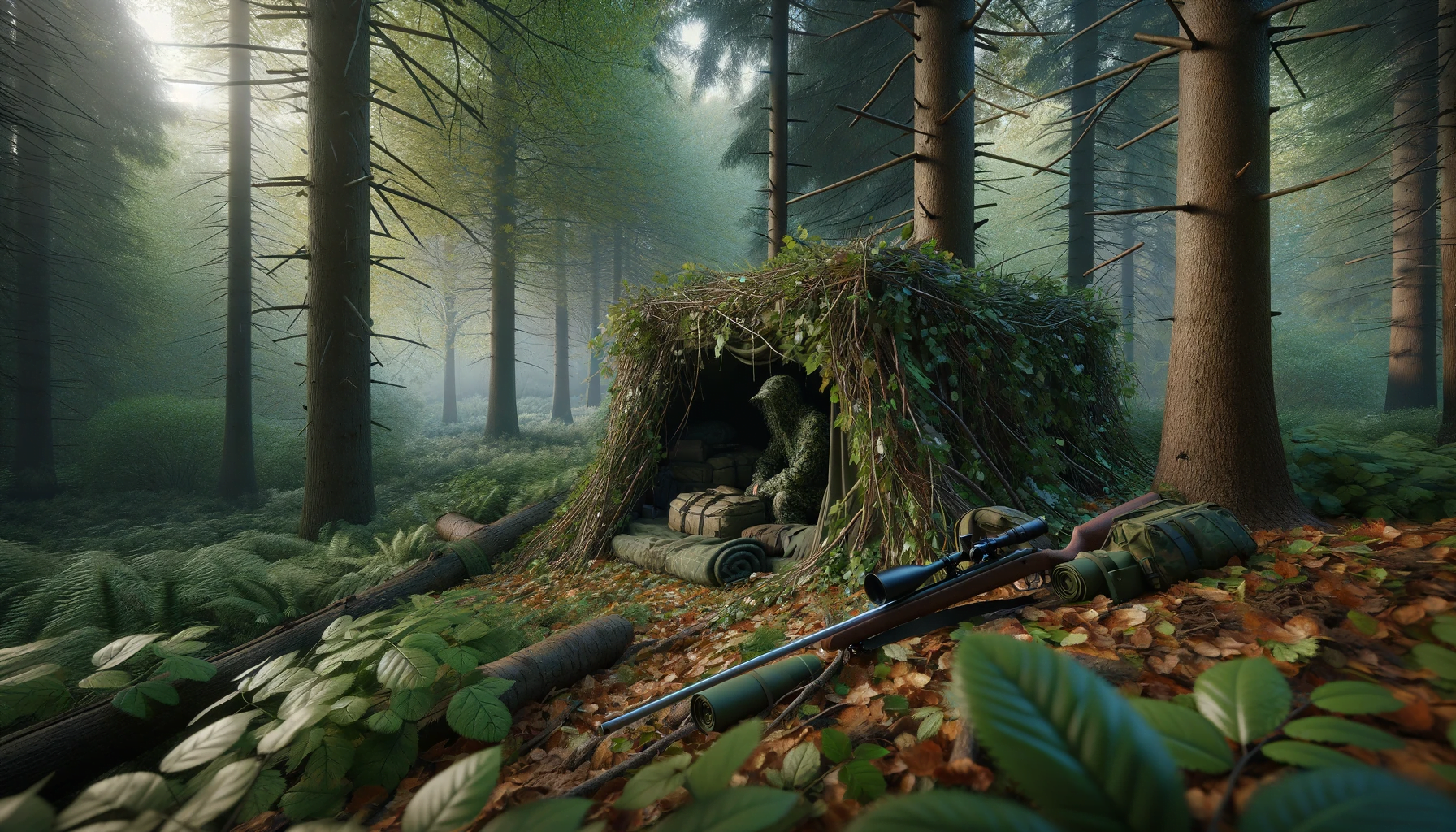
Common ground blind mistakes are usually setup problems: the blind is too exposed, the wind is ignored, the entry route is noisy, or the shooting windows are opened in the wrong places. A good blind should look boring to game, feel natural in the spot, and let you draw or shoulder the firearm without fighting the fabric, chair, or window frame.
Use this guide before a deer, turkey, or general hunting sit. It focuses on practical blind placement, scent control, brushing-in, shooting lanes, visibility, safety, and simple checks that keep the hunt calmer once animals are close.
Table of Contents
Quick Answer
The safest way to avoid ground blind mistakes is to scout first, set the blind where animals already travel, brush it in with local cover, plan for the wind, keep your entry route quiet, and open only the windows you need. Before hunting, sit in the blind with your bow, crossbow, shotgun, or rifle unloaded and check whether your chair height, shooting angle, and lanes actually work.
Do not treat a ground blind like a magic hiding box. It hides your outline, but it does not erase scent, noise, poor shot angles, or unsafe handling. If the setup forces rushed movement when an animal appears, fix the setup before the hunt.
Ground Blind Mistakes at a Glance
| Mistake | Why It Hurts the Hunt | Better Move |
|---|---|---|
| Setting up in the open | The blind looks new and obvious. | Tuck it into cover and break up the edges. |
| Ignoring wind | Scent can drift into the travel route. | Check forecast and local wind before sitting. |
| Opening every window | Light and movement show through the blind. | Open only the windows needed for real lanes. |
| No entry plan | You bump animals before legal shooting time. | Walk in from a low-impact route with less noise. |
| No practice from the blind | Chair height, window frame, or gear blocks the shot. | Practice from the seated hunting position. |
| Unsafe muzzle or arrow direction | A cramped blind can hide bad habits. | Keep the muzzle or broadhead pointed in a safe direction at all times. |
Choosing the Wrong Location
A ground blind should support a real hunting plan. Start with sign, food, bedding cover, water, funnels, field edges, rub lines, dusting areas, or other travel clues for the species you are hunting. Then choose a spot that lets you watch likely movement without sitting directly on top of it.
Terrain matters. A blind on the wrong side of a rise may block your view. A blind placed too low may collect scent. A blind too close to a trail may force a hard angle when the animal is already alert. Hunter-Ed has a useful refresher on reading a topographic map, which can help you think through ridges, draws, saddles, and access routes before you set a blind.
If possible, set the blind days or weeks before the hunt so animals can get used to it. If you must use a same-day blind, hide the outline harder: use shadows, brush, trees, grass, corn rows, blowdowns, or natural edges instead of placing a sharp square shape in open cover.
Ignoring Wind and Scent
Wind is one of the biggest reasons a blind fails. A pop-up blind can reduce visible movement, but your scent still leaves the blind. Before you hunt, check the broader forecast and then watch the wind at the exact spot. The National Weather Service wind safety page is a good reminder that wind direction and speed can change enough to affect outdoor plans.
Plan your blind so the normal wind carries scent away from the expected animal approach. Also think about thermals in hilly country. Morning air often behaves differently than afternoon air, and low areas can move scent in ways that a simple forecast does not show.
Good scent control starts before the sit: store the blind dry, avoid strong household odors, keep clothing clean, and do not cook, smoke, or spill fuel near the blind. You do not need perfect scent control to hunt well, but you do need a plan that does not send human odor straight into the trail you are watching.
Not Brushing In the Blind
A blind that is not brushed in can look like a new object dropped into the woods. Use local material to soften the outline: grass, limbs, leaves, cane, weeds, crop stalks, or evergreen boughs when legal and appropriate. Avoid cutting live vegetation where it is not allowed.
Brush the corners, roof line, and lower skirt first. Those straight edges are what often catch attention. Do not block your own lanes or create a wall that moves loudly in the wind. The goal is a natural outline, not a pile of brush that makes the blind harder to use.
Inside the blind, keep the back darker than the front. If you open large windows behind you, animals may see your silhouette. A darker interior helps hide small movements when you reach for binoculars, range a target, or prepare for a shot.
Bad Entry and Exit Routes
Many hunters plan the blind but not the walk to the blind. That is a mistake. A perfect location can fail if the entry route crosses fresh tracks, skyline ridges, crunchy leaves, bedding cover, or the open field animals are already using.
Mark the route in daylight before you hunt. Trim only what is legal and necessary. Move branches that slap clothing. Know where fence crossings, ditches, and noisy gravel patches are. If you hunt before sunrise, a quiet route is much easier when you have already walked it.
Exit matters too. If animals are feeding in front of you at dark, think through how you will leave without turning one good sit into a pressured area for the next week. Sometimes waiting, using a partner, or choosing a different stand for the wind can protect the spot.
Window and Shooting-Lane Mistakes
Opening every window feels convenient, but it often makes the blind brighter and easier to see through. Start with the expected lane, then open the smallest useful amount. If you need a second lane, open it before animals arrive, not while they are looking in your direction.
Check lanes from the seated position you will actually use. A lane that looks open while standing outside the blind may be blocked by the window edge, chair height, broadhead clearance, or a low branch. For bow and crossbow hunters, confirm limb clearance and arrow path. For firearm hunters, keep the muzzle clear of fabric and supports.
Shot discipline still matters inside a blind. Know your safe direction, target, and what is beyond it. NSSF’s four primary rules of firearm safety are worth reviewing before any hunt that involves a firearm, especially in a tight blind where gear and people sit close together.
Comfort, Noise, and Movement Mistakes
Discomfort causes movement. A loud chair, cramped knees, cold feet, or gear scattered on the floor can turn a quiet sit into constant shifting. Set the blind with enough room to move slowly and quietly. Put the pack where you can reach it without scraping the wall.
Test the chair before hunting. Sit down, turn, raise binoculars, range a tree, and practice the movement needed for your weapon while it is unloaded. Listen for squeaks, Velcro, zipper noise, and metal buckles. Fix those small sounds before the hunt, because they feel much louder when an animal is close.
For kids or new hunters, keep the setup simpler. Give them a stable seat, explain where they can move, and point out the safe shooting direction. A blind can be a good learning setup, but only when the adult plans for visibility, patience, and safety first.
Safety Checklist Before the Sit
- Confirm the blind is legal for the property and season.
- Check wind direction at the blind, not only at home.
- Brush in the blind without blocking lanes or creating noise.
- Open only the windows needed for safe, realistic shots.
- Practice from the seated position with unloaded equipment.
- Keep the muzzle, broadhead, or crossbow rail pointed in a safe direction.
- Use a small light carefully when entering before daylight.
- Keep kids, partners, and dogs clear of the shooting lane.
- Know the target, the angle, and what is beyond it.
- Leave the area as clean as you found it.
FAQ
Should a ground blind be set up early?
Early setup is usually better because animals have time to accept the blind as part of the area. Same-day setup can still work, but the blind needs better cover, darker background, and a careful wind plan.
Do ground blinds control scent?
No. A ground blind may reduce visible movement, but scent can still escape through windows, seams, and doors. Always plan for wind direction and avoid sitting where your scent moves into the main travel route.
How many windows should be open in a ground blind?
Open only the windows you need for the best lanes. Too many open windows create light, silhouette, and movement problems. A smaller opening is often better if it still allows a safe shot.
What is the biggest ground blind mistake for bowhunters?
One common mistake is not checking draw, limb, and arrow clearance from the actual seated position. Practice inside the blind with safe, unloaded gear so you know the chair, window, and blind wall will not block the shot.
Can a ground blind work without brushing it in?
It can, especially if animals are used to blinds or the blind sits in strong natural cover. Still, brushing in the edges usually helps the blind look less new and less square in the landscape.
What should I check before hunting from a blind with a partner?
Agree on safe shooting lanes, gear placement, movement rules, and who will call the shot. A shared blind is tight, so every person should know where the weapon may point and where hands, legs, and packs should stay.
Final Thoughts
A ground blind works best when it is planned like a hunting position, not just a shelter. Pick a location with real sign, match the setup to wind and terrain, hide the outline, control movement, and test every shot lane before the hunt starts. Those simple checks prevent most ground blind mistakes and make the sit safer, quieter, and more useful.