Types of Hunting Dogs: Breed Groups, Field Roles, and Care Basics
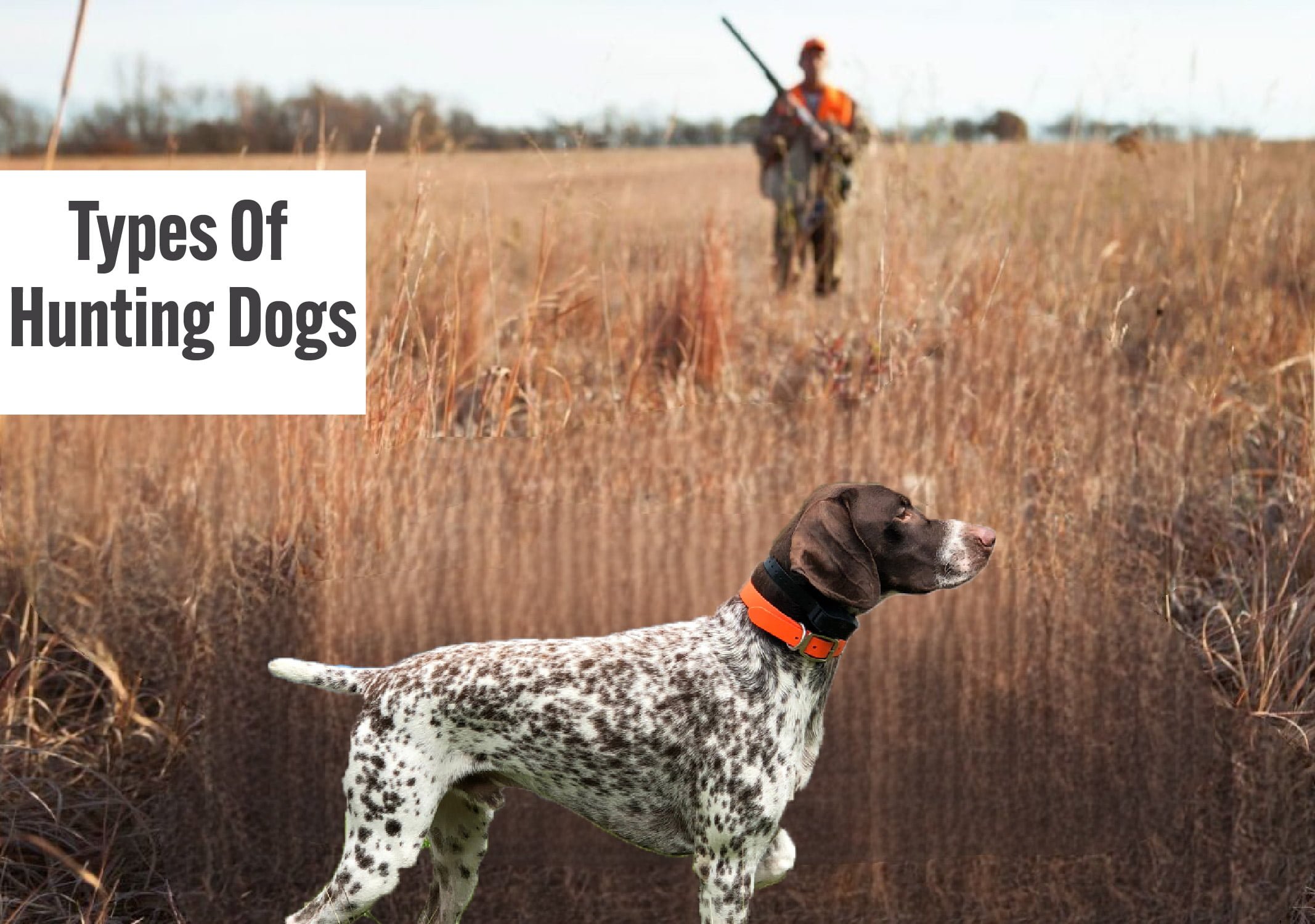
The main types of hunting dogs are retrievers, pointers, setters, spaniels, flushing dogs, scent hounds, sight hounds, terriers, and versatile hunting dogs. Each type is built for a different field job, so the best choice depends on game, terrain, climate, training time, and the dog’s daily life at home.
A good hunting dog match is not just about breed popularity. The right dog should fit your hunting style, your housing, your schedule, your training ability, and your plan for keeping the dog healthy before and after field work.
Table of Contents
Quick Answer
Retrievers are common for waterfowl and bird recovery. Pointers and setters help locate upland birds and hold game for the hunter. Spaniels and flushing dogs push birds from cover. Scent hounds follow ground scent for game such as rabbits, raccoons, or big game where legal. Sight hounds rely more on vision and speed. Terriers have historically been used around dens and small game. Versatile breeds are bred to handle more than one field role.
Before choosing any hunting dog, check local hunting and dog-use laws, talk with experienced handlers, and make sure the breed’s energy, voice, coat, and drive match your real home life.
Retrievers
Retrievers are bred to recover birds and bring them back to the handler. Labrador Retrievers, Golden Retrievers, Chesapeake Bay Retrievers, and similar breeds are often associated with waterfowl, dove fields, and upland recovery work.
The key retriever traits are trainability, marking ability, water confidence, a soft mouth, and a willingness to work with the handler. They still need steady obedience, safe gun introduction, conditioning, and controlled retrieves. A retriever that breaks early, ignores commands, or works in unsafe water can create problems quickly.
The American Kennel Club’s sporting group includes many bird-dog breeds and is a useful starting point for comparing sporting dog breeds by background and general traits.
Pointers and Setters
Pointers and setters help hunters locate upland birds. Rather than immediately flushing, many are trained to point or hold position when they find scent, giving the hunter time to move in safely.
Common examples include German Shorthaired Pointers, English Pointers, English Setters, Irish Setters, and Gordon Setters. These dogs often need a lot of exercise, field exposure, and consistent handling. They can be excellent partners, but they are usually a poor fit for someone who wants a low-energy pet with occasional hunting use.
Spaniels and Flushing Dogs
Spaniels and flushing dogs work close to the hunter and push birds out of cover. English Springer Spaniels, Cocker Spaniels, Boykin Spaniels, and similar dogs may be used for upland birds, thick cover, and smaller fields where close control matters.
Good flushing dogs need range control. If they work too far ahead, birds may flush out of range. If they work too close or too fast without discipline, the hunt can become messy. A useful flushing dog checks in, hunts cover carefully, and responds to the handler.
Scent Hounds and Sight Hounds
Scent hounds follow scent trails. Beagles, coonhounds, foxhounds, bloodhounds, and other hound types may be used for different game depending on local law and tradition. Sight hounds rely more on speed and vision, though their hunting use is tightly regulated or unsuitable in many places.
Hounds can be rewarding, but they bring special challenges. Many have strong voices, strong noses, high drive, and independent decision-making. Secure containment, identification, legal access, road safety, and recall planning matter. The AKC’s hound group overview can help readers understand how broad this category is.
Terriers
Terriers were historically bred for work around small game, dens, and pests. They are often bold, quick, and intense for their size. That drive can be useful in specific legal settings, but it also requires careful control.
Terriers are not simply small easy hunting dogs. Many are determined, vocal, and energetic. Owners should understand local law, landowner expectations, wildlife rules, and dog safety before using any terrier in field work.
Versatile Hunting Dogs
Versatile hunting dogs are bred to handle several jobs, such as pointing, retrieving, tracking, and working in water. Examples may include German Shorthaired Pointers, German Wirehaired Pointers, Vizslas, Wirehaired Pointing Griffons, and similar breeds.
Versatile does not mean automatic. These dogs still need training for each job. A dog that points well may still need careful retrieve work. A dog that retrieves well may still need steadiness and safe field manners.
How to Choose the Right Hunting Dog Type
Start with the job. Are you hunting ducks over water, pheasants in upland cover, rabbits in brush, or tracking wounded game where legal? Then match the dog type to the job, terrain, climate, and training plan.
Next, be honest about the dog’s everyday life. A high-drive hunting dog may need daily exercise, secure fencing, training, vet care, field conditioning, and a family that understands the breed. A dog that is a poor fit at home will not become a better field partner just because the season opens.
The North American Versatile Hunting Dog Association explains the concept of versatile hunting dogs and handler development. Even if you do not choose a versatile breed, the idea is useful: good field dogs are built through breeding, training, handling, and care.
Training, Safety, and Dog Care
Every hunting dog needs welfare-first handling. Build fitness gradually, carry water, watch heat and cold stress, protect paws, check eyes and ears after cover, and stop if the dog is tired or injured. The American Veterinary Medical Association offers practical guidance on hunting with your dog safely.
Safe dog work also means legal access, clear shooting lanes, road awareness, identification, and a recovery plan. If a hunt puts the dog, public, livestock, or landowner trust at risk, change the plan or end the day.
FAQ
What is the most common type of hunting dog?
Retrievers and sporting dogs are very common because they can recover birds and fit many hunting homes. Hounds, pointers, setters, spaniels, and versatile breeds are also common in the right regions and hunting styles.
What hunting dog is best for beginners?
A beginner-friendly choice depends on the game and the home. Many beginners do well with a trainable retriever or spaniel from a responsible breeder or rescue, but the better answer is the dog type you can train, exercise, contain, and care for consistently.
Are hounds harder to train than retrievers?
They can be different to train. Hounds often have strong scent drive and independent behavior, while retrievers are often bred for close handler cooperation. Either type can become difficult without consistent training and exercise.
Can one dog handle multiple hunting jobs?
Some versatile breeds can handle several roles, but each job still needs training. Do not assume a dog can point, retrieve, track, and handle water safely without specific preparation.
What should I check before hunting with any dog?
Check local law, land permission, dog fitness, weather, water access, road risk, identification, first-aid supplies, and a safe recovery plan. Dog welfare and public safety come first.