Fox Hunt Dog Breeds: Hound Types, Care, and Safety Basics
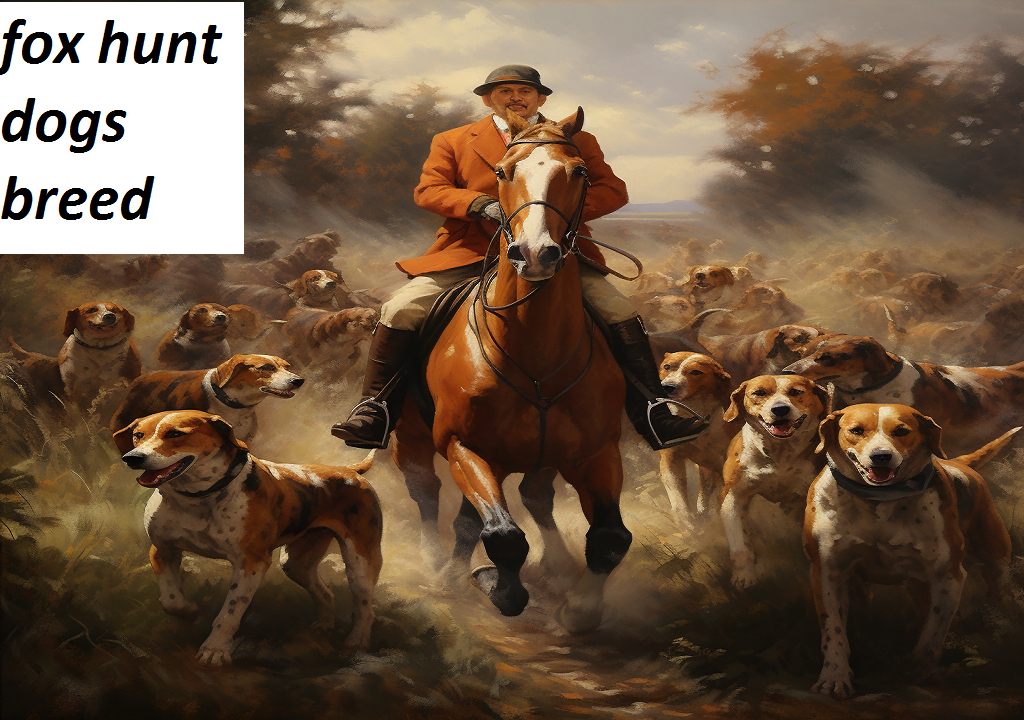
Fox hunt dog breeds are usually scent hounds bred for stamina, pack work, and following scent over distance. The most closely associated breeds are the American Foxhound and English Foxhound, but similar hound types may appear in trail, drag, or mounted hunting traditions depending on the region.
This guide explains the main foxhound breeds, how they differ from other hunting dogs, what kind of care they need, and what safety and legal checks should come before any field use. Laws and hunting practices vary by location, so use this as breed education, then check current local regulations and land-access rules before planning any hunt.
Table of Contents
Quick Answer
The classic fox hunt dog breeds are the American Foxhound and English Foxhound. Both are scent hounds with strong endurance, a loud voice, high exercise needs, and a pack-oriented background. They are not low-maintenance house dogs, and they are usually a poor match for owners who cannot provide space, training, secure containment, and regular activity.
For most readers, the practical question is not which foxhound looks best. It is whether the dog’s drive, voice, energy, and training needs fit the home and the field use you have in mind.
Main Fox Hunt Dog Breeds
American Foxhound
The American Foxhound is a lean scent hound known for stamina, voice, and a strong desire to follow scent. The American Kennel Club describes the American Foxhound as a hound-group breed with a hunting background and high activity needs.
This breed can be affectionate, but its scent drive and exercise demand are real. A bored foxhound may roam, bark, dig, or ignore recall when scent takes over. Secure fencing, leash discipline, and consistent training matter more than appearance.
English Foxhound
The English Foxhound is another traditional pack hound tied closely to mounted hunting history. The AKC’s English Foxhound breed page notes the breed’s hound background and athletic build.
English Foxhounds are generally built for long work with other hounds. That can make them social with dogs, but it does not remove the need for training. A foxhound still needs structure, recall work, controlled exercise, and a safe place to rest after activity.
Related Hound Types
Some hunters and hound handlers also work with related scent hounds, crossbred hounds, or regional hound lines. These dogs may share a similar nose, voice, and endurance, but the exact temperament and field style can vary. Judge the individual dog, not only the breed label.
Common Foxhound Traits
Most foxhounds are bred around scenting ability, stamina, and pack cooperation. Those traits are useful in field settings, but they can be difficult in a small yard or quiet neighborhood. A foxhound that hears, smells, or sees something interesting may become loud and focused very quickly.
Common traits include a strong nose, high exercise demand, a baying voice, social pack behavior, a short coat, and an independent streak. These dogs often do best with owners who already understand hounds or who are ready to work with a trainer.
The biggest fit mistake is choosing a foxhound only because it seems historic, handsome, or athletic. The better question is whether you can handle the daily version of the dog: noise, movement, scent drive, containment, training, vet care, and recovery time.
How Foxhounds Work in the Field
Foxhounds are scent hounds. Their main strength is using scent to track and move as part of a group. In traditional settings, hounds may work as a pack while handlers or riders follow from a distance. In other regions, hounds may be used in different legal forms of scent work, trail work, or organized field activity.
Because these dogs can cover ground quickly, handlers need a plan before turnout. That means knowing property boundaries, roads, livestock locations, neighboring homes, weather, water access, and emergency pickup points. A field-ready hound is not just energetic; it is conditioned, identifiable, and managed by someone who can keep the dog and public safe.
Care, Training, and Conditioning
Foxhounds need more than occasional exercise. They need routine movement, mental work, social handling, and a secure environment. Basic obedience, recall practice, leash manners, crate or kennel comfort, and calm handling should start before any serious field exposure.
Conditioning should build gradually. A dog that is not fit should not be pushed into a long hunt or hard field day. Watch for heat stress, dehydration, paw injury, eye irritation, cuts, and fatigue. The American Veterinary Medical Association shares practical guidance on hunting with your dog safely, including conditioning and field care.
After field work, check the dog before loading up. Look at paws, ears, eyes, coat, hydration, and gait. A tired hound may still act willing to continue, so the handler has to make the conservative call.
Safety, Ethics, and Legal Checks
Fox hunting, hound running, and related activities are regulated differently across states and countries. Some places allow only specific forms of hunting, some require landowner permission, and some have restrictions around quarry, seasons, public land, firearms, dogs, or mounted groups. Check current local regulations before any field activity.
Ethical hound work also means respecting landowners, livestock, roads, neighboring properties, wildlife, and the dog’s welfare. Hunter-Ed’s guidance on responsible and ethical hunters is a useful starting point for field conduct.
If a practice is not legal, safe, or humane in your area, do not do it. Breed history does not override current law, property rights, public safety, or animal welfare.
Foxhound Owner Checklist
- Confirm local hunting, dog-running, leash, access, and land-use rules.
- Choose a breed or hound line based on daily care fit, not only field tradition.
- Plan secure containment before bringing a hound home.
- Build recall, leash manners, and calm handling before field work.
- Condition the dog gradually for distance, weather, and terrain.
- Carry water, dog identification, first-aid basics, and emergency contact information.
- Check paws, eyes, ears, hydration, and movement after field activity.
- Respect roads, livestock, property boundaries, other hunters, and non-hunters.
FAQ
What breed is most associated with fox hunting?
The American Foxhound and English Foxhound are the two classic breeds most associated with fox hunting traditions. Both are scent hounds built around stamina, scent work, and pack behavior.
Are foxhounds good family dogs?
They can be good dogs for the right home, but they are not easy low-activity pets. Many foxhounds need space, exercise, training, secure fencing, and tolerance for hound voice. A quiet apartment or very sedentary home is usually a poor fit.
Do foxhounds need to hunt?
No. A foxhound needs exercise, scent work, structure, and social interaction, but those needs can sometimes be met through legal trail work, long walks, training games, supervised running, or other dog activities. The key is giving the dog safe outlets for its nose and energy.
Are foxhounds hard to train?
They can be challenging because scent can become more interesting than the handler. Positive training, consistency, recall work, and secure containment are important. New hound owners may benefit from a trainer who understands scent hounds.
What should I check before using a foxhound in the field?
Check local laws, land permission, dog fitness, weather, road risk, livestock nearby, identification, water, and emergency pickup options. If the plan is not safe for the dog, the public, or the landowner, change the plan.