Spaniel Hunting Dogs: Breeds, Training Basics, and Field Care
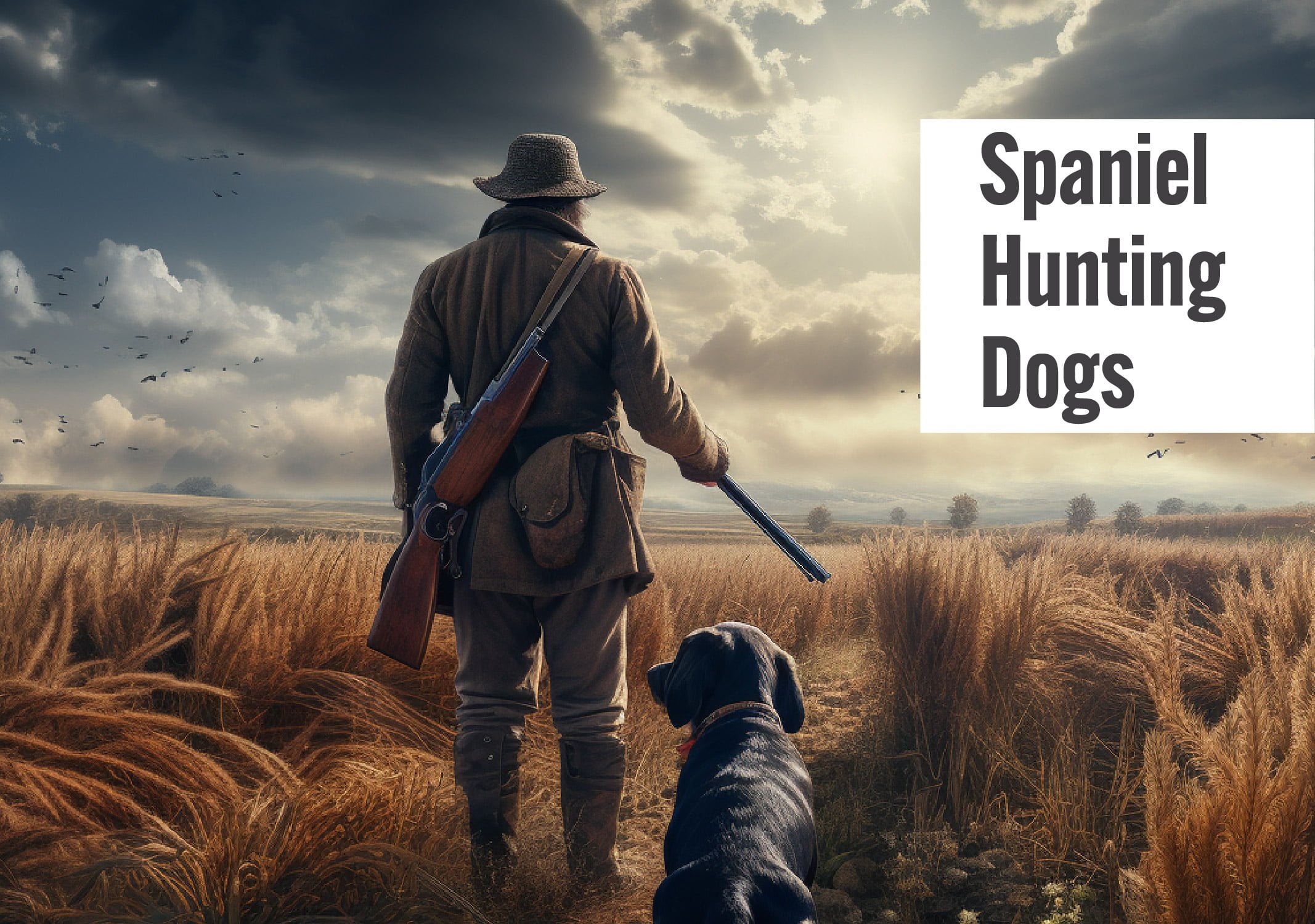
Spaniel hunting dogs are usually close-working bird dogs bred to find game in cover, flush it within range, and often retrieve after the shot. They can be excellent upland partners, but they need steady training, range control, safe gun introduction, conditioning, and regular care.
This guide explains the main spaniel hunting dog types, what they are good at, where they can struggle, and how to think about training and welfare before choosing one for the field.
Table of Contents
Quick Answer
Spaniel hunting dogs are best known for flushing birds from grass, brush, and thick cover while staying close enough for the hunter to take a safe shot. English Springer Spaniels, Cocker Spaniels, Boykin Spaniels, and Welsh Springer Spaniels are common examples. They are often a strong fit for upland hunters who want a compact, active dog that works cover carefully and checks in with the handler.
The biggest mistake is choosing a spaniel only because it is smaller than a retriever or pointer. Many spaniels have serious drive, energy, and training needs. They need daily activity and a handler who can keep them under control in cover.
What Spaniel Hunting Dogs Do
Most hunting spaniels work close to the handler. Their job is to search likely cover, find bird scent, push the bird into the air, and stay within a useful shooting range. Some also retrieve on land or in water, depending on breed, training, and individual dog.
Range control is the key. If a spaniel works too far ahead, birds may flush out of range. If the dog crowds the gun or ignores commands, safety and recovery can suffer. A good spaniel is energetic, but not uncontrolled.
The American Kennel Club’s sporting dog breed group is a useful starting point for understanding how spaniels fit among retrievers, pointers, setters, and other bird dogs.
Common Spaniel Hunting Breeds
English Springer Spaniel
The English Springer Spaniel is one of the best-known flushing spaniels. It is commonly associated with upland birds, close cover, and active field work. The AKC describes the English Springer Spaniel as a sporting breed with energy and a working background.
Best fit: hunters who want a lively, close-working dog and are willing to train steadiness, recall, and range control.
Cocker Spaniel
Cocker Spaniels are smaller flushing dogs that can work well in tight cover. Field-bred lines may be much more energetic than many people expect from the name alone.
Best fit: hunters who want a compact dog for dense cover and can provide consistent training and exercise.
Boykin Spaniel
The Boykin Spaniel is often linked with Southern hunting traditions and can work around birds, water, and tighter spaces. It is a practical size for hunters who want a smaller sporting dog with real drive.
Best fit: hunters who need a compact flushing and retrieving partner and can manage coat care, heat, and water safety.
Welsh Springer Spaniel
The Welsh Springer Spaniel is another active sporting spaniel with field roots. As with any breed, individual lines and training matter, so speak with responsible breeders, trainers, or breed clubs before choosing a dog.
Best fit: active owners who want a close-working sporting dog and can provide daily structure.
Where Spaniels Fit Best
Spaniels often fit upland cover, brushy fields, wood edges, pheasant cover, quail cover, and smaller properties where a very wide-ranging dog would be hard to manage. They can be a good choice for hunters who like an active dog close enough to watch and direct.
They may be a weaker fit for someone who wants a dog that naturally points and holds birds, a dog that works very wide open country, or a low-energy pet that only hunts once or twice a year.
Training Basics for Hunting Spaniels
Start with obedience and trust before field pressure. A spaniel should understand its name, recall, sit or hup, heel, stay, and release cues before a hunt becomes exciting. Range control and steadiness matter because flushing dogs work close to guns, birds, and other people.
Gun introduction should be gradual and positive. Do not surprise a young or unprepared dog with close gunfire. If you are new to bird-dog training, work with an experienced spaniel trainer or local sporting-dog group before adding birds and shooting.
Retriever work also needs structure. A spaniel should bring birds back safely, release cleanly, and avoid chewing or rough handling. That comes from training, not from breed label alone.
Care, Conditioning, and Field Safety
Spaniels can collect burrs, seeds, mud, and moisture in their coat and ears. After field work, check ears, paws, eyes, belly, armpits, and coat. Clean and dry the dog as needed, and watch for limping, eye irritation, overheating, or fatigue.
The American Veterinary Medical Association offers practical guidance on hunting with your dog safely. Use that welfare-first approach before, during, and after spaniel field work.
Also think about public and hunting safety. Keep the dog visible when possible, avoid unsafe road edges, identify nearby hunters and dogs, and do not shoot at low birds near a dog.
Spaniel Hunting Dog Checklist
- Choose a spaniel type that fits the game, cover, and home life.
- Confirm local rules for hunting, dogs, birds, public land, and access.
- Build recall, range control, and steadiness before hunting pressure.
- Introduce gunfire gradually with experienced help if needed.
- Condition the dog before long field days.
- Carry water, identification, first-aid basics, and a way to rest the dog.
- Check ears, paws, eyes, coat, hydration, and movement after the hunt.
- Pass low or unsafe shots around dogs, handlers, roads, or other hunters.
FAQ
Are spaniels good hunting dogs?
Yes, spaniels can be excellent hunting dogs, especially for flushing birds in close cover. They still need training, exercise, range control, and field care.
What is the best spaniel for hunting?
There is no single best spaniel for every hunter. English Springer Spaniels, Cocker Spaniels, Boykin Spaniels, and Welsh Springer Spaniels can all work well when the dog, training, and hunting style match.
Do spaniels point or flush?
Most hunting spaniels are flushing dogs. Their job is usually to find birds in cover and flush them within range, not to hold a long point like a pointing breed.
Are spaniels easier than pointers or retrievers?
Not necessarily. Spaniels may be smaller, but many are high-drive dogs that need real training and daily activity. They can be easier in some cover and harder if you cannot manage their energy.
What should I check after hunting with a spaniel?
Check paws, ears, eyes, coat, hydration, and movement. Spaniels can pick up burrs, seeds, mud, and moisture in cover, so post-hunt care matters.