Shooting Range Checklist: Safety, Facility Rules, Costs, and Red Flags
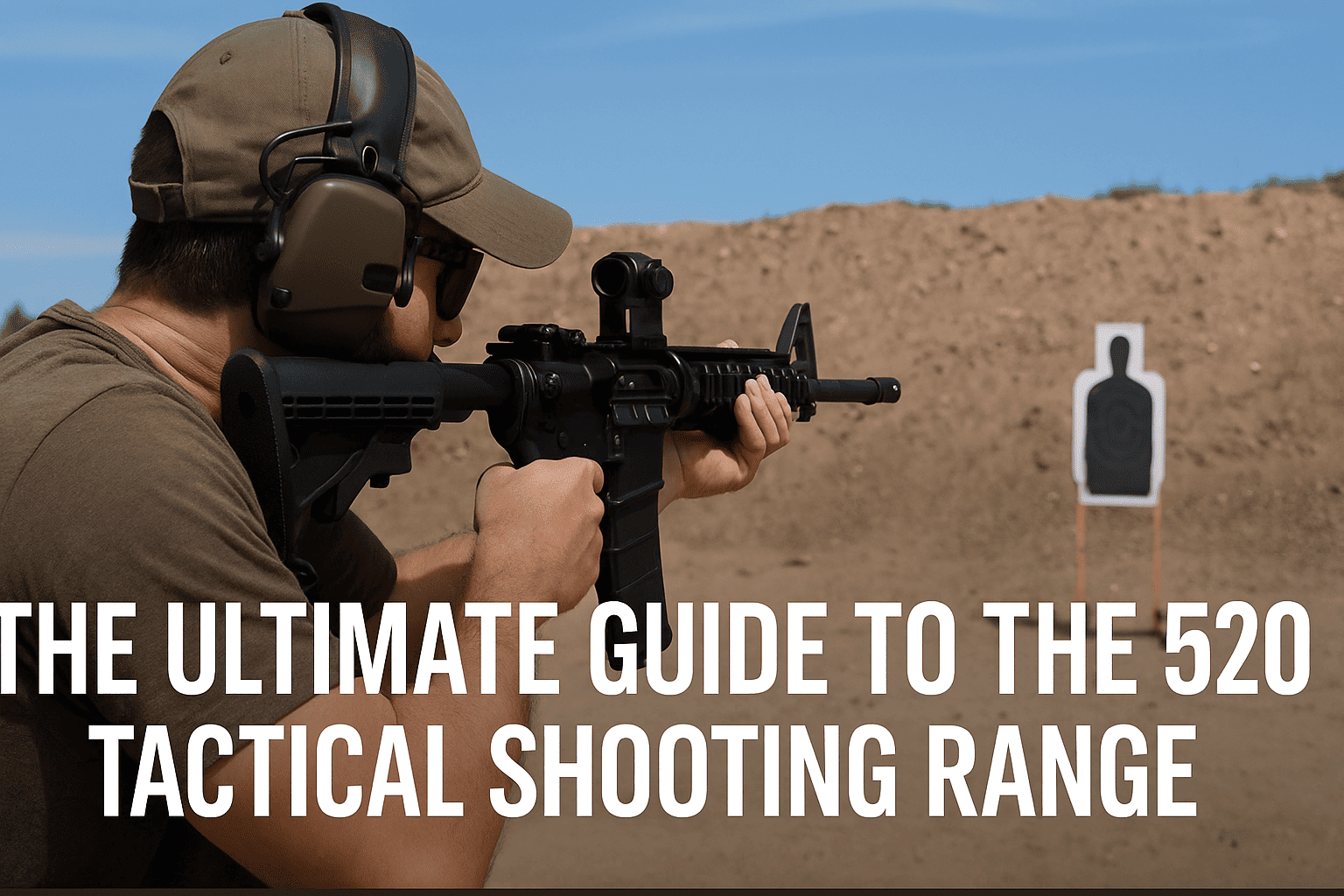
A good shooting range is not just a place with targets. It should have clear safety rules, controlled firing lines, helpful staff, clean lanes, suitable backstops, and a setup that matches the kind of practice you plan to do.
This guide turns the old range-style review into a practical checklist you can use before choosing any indoor or outdoor range. Use it to compare safety, training support, equipment rules, ventilation, fees, and the kind of shooting the facility actually allows.
Table of Contents
Quick Answer
Choose a shooting range that explains its safety rules clearly, has active range supervision, provides a safe backstop and lane setup, requires eye and ear protection, and matches your firearm, ammunition, target, and training needs. If the rules are vague or the firing line feels uncontrolled, pick another range.
Before visiting, check whether the range allows your firearm type, ammunition type, target type, holster work, rapid fire, prone shooting, or training drills. Many ranges limit those activities for safety and facility reasons.
Safety Rules and Range Control
The first thing to evaluate is safety culture. A quality range should make its rules easy to find, repeat them during check-in or orientation, and enforce them consistently on the firing line.
Every shooter should know the basic firearm safety rules before stepping to the line. The NSSF firearm safety rules are a good baseline: control muzzle direction, keep your finger off the trigger until ready, keep firearms unloaded until ready to use, and know the target and what is beyond it.
- Look for clear hot-range and cold-range commands.
- Check whether a range safety officer is present or available.
- Watch how the staff handles unsafe behavior.
- Confirm eye and ear protection rules.
- Ask how new shooters are briefed before using a lane.
Facility Fit and Allowed Use
Not every range is built for every shooter. Some facilities focus on handgun practice, some handle rifles, some offer shotgun or clay-target areas, and some are built for formal instruction. A mismatch can waste time or create safety issues.
Before you go, confirm firearm and ammunition rules. Some indoor ranges restrict steel-core, tracer, armor-piercing, magnum rifle, shotgun, black powder, or certain target materials. Outdoor ranges may have distance, target stand, backstop, and weather rules.
If you are searching for a place to shoot, the NSSF Where To Shoot resource can help you find ranges and shooting opportunities by location.
Indoor vs Outdoor Range Checks
Indoor and outdoor ranges have different strengths. Indoor ranges can be convenient and controlled, but ventilation, lane spacing, lighting, and noise management matter. Outdoor ranges can offer longer distances and more space, but weather, target access, and cease-fire discipline become more important.
For indoor ranges, pay attention to air movement, cleanliness, and hygiene rules. Lead exposure is a serious workplace and range concern, and OSHA’s lead safety resource is a useful background reference for understanding why ventilation and cleanup practices matter.
Beginner Support and Staff Help
A beginner-friendly range does not leave new shooters guessing. Staff should be willing to explain check-in, lane commands, target controls, firearm-case handling, rental rules, and what to do if a malfunction or unsafe situation happens.
If you are new, ask about an introductory class or supervised first visit. A short range orientation can prevent confusion and make the first session safer and calmer.
Costs, Memberships, and Gear Rules
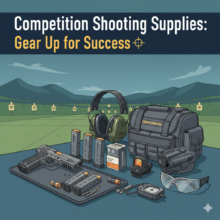
Compare the full cost, not only the lane fee. Ask about membership pricing, guest fees, rental firearms, ammunition rules, target costs, eye and ear protection, training fees, and cancellation rules.
Some ranges require you to use their ammunition with rental firearms. Some require approved targets or prohibit human-silhouette targets. These rules are normal, but you should know them before arriving.
Red Flags Before You Shoot
- Rules are unclear or not enforced.
- Unsafe muzzle direction is ignored.
- Staff cannot explain ammunition, target, or lane restrictions.
- New shooters receive no safety briefing.
- Eye and ear protection rules are casual.
- The facility looks poorly maintained or poorly ventilated.
- Other shooters are handling firearms behind the line without control.
If a range feels unsafe, leave. There are plenty of reasons to be patient with a busy facility, but safety control is not optional.
FAQ
What should I check before visiting a shooting range?
Check firearm rules, ammunition restrictions, target rules, safety briefing requirements, eye and ear protection, lane fees, hours, and whether beginners need an appointment or class.
Is an indoor or outdoor range better?
Indoor ranges are convenient and controlled. Outdoor ranges may offer longer distances and more space. The better choice depends on your firearm, practice goal, weather, and safety supervision.
Can beginners go to a shooting range?
Yes, but beginners should choose a range with clear orientation, staff support, and beginner classes. Do not guess your way through firearm handling or range commands.
Do ranges allow all ammunition?
No. Many ranges restrict certain ammunition types for safety, fire risk, backstop protection, or facility rules. Always check before bringing ammunition.
What is the biggest red flag at a shooting range?
The biggest red flag is poor safety control: unclear commands, unsafe muzzle handling, no staff response to unsafe behavior, or no briefing for new shooters.