Shooting Range Checklist: Safety, Facility Rules, Costs, and Red Flags
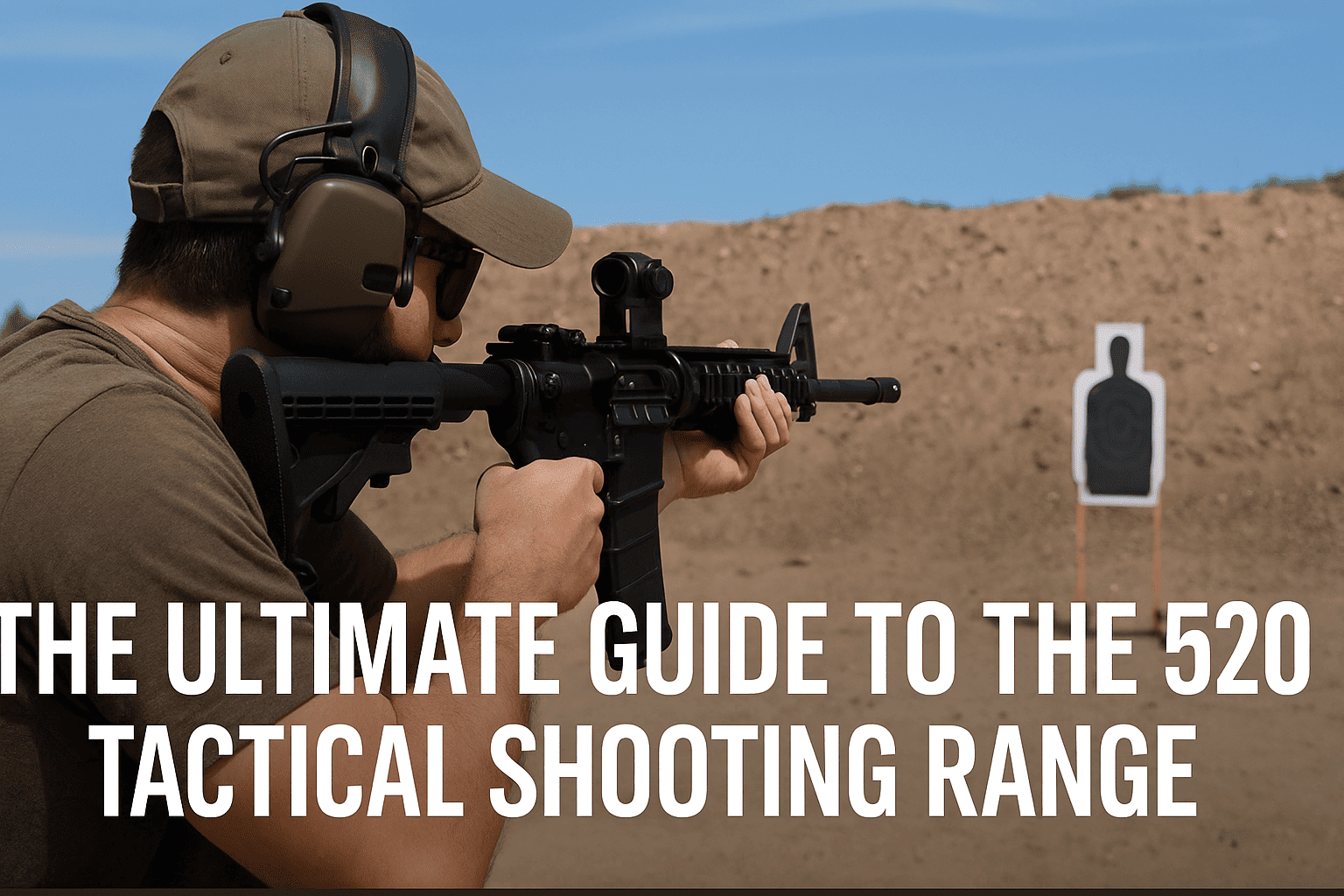
A good shooting range is not just a place with targets. It should have clear safety rules, controlled firing lines, helpful staff, clean lanes, suitable backstops, and a setup that matches the kind of practice you plan to do.
This guide turns the old range-style review into a practical checklist you can use before choosing any indoor or outdoor range. Use it to compare safety, training support, equipment rules, ventilation, fees, and the kind of shooting the facility actually allows. It does not claim a current hands-on review of any specific facility.
Table of Contents
Quick Answer
Choose a shooting range that explains its safety rules clearly, has active range supervision, provides a safe backstop and lane setup, requires eye and ear protection, and matches your firearm, ammunition, target, and training needs. If the rules are vague or the firing line feels uncontrolled, pick another range.
Before visiting, check whether the range allows your firearm type, ammunition type, target type, holster work, rapid fire, prone shooting, or training drills. Many ranges limit those activities for safety and facility reasons.
Safety Rules and Range Control
The first thing to evaluate is safety culture. A quality range should make its rules easy to find, repeat them during check-in or orientation, and enforce them consistently on the firing line.
Every shooter should know the basic firearm safety rules before stepping to the line. The NSSF firearm safety rules are a useful baseline: control muzzle direction, keep your finger off the trigger until ready, keep firearms unloaded until ready to use, and know the target and what is beyond it.
- Look for clear hot-range and cold-range commands.
- Check whether a range safety officer is present or available.
- Watch how the staff handles unsafe behavior.
- Confirm eye and ear protection rules.
- Ask how new shooters are briefed before using a lane.
Facility Fit and Allowed Use
Not every range is built for every kind of practice. Some indoor ranges are designed for slow-fire pistol work. Some outdoor ranges support rifle zeroing, shotgun patterning, action bays, or longer-distance shooting. A range can be safe and well-run but still be the wrong fit for your goals.
Ask about firearm types, caliber limits, ammunition restrictions, target restrictions, minimum age, guest policies, and whether instruction is available. If you plan to train from a holster, shoot from positions, or run timed drills, confirm those rules before showing up.
Indoor vs Outdoor Range Checks
Indoor ranges are convenient because they are weather-protected, easy to schedule, and often beginner-friendly. The tradeoff is stricter rules, shorter distances, higher noise, and a greater need to pay attention to ventilation and lane discipline.
Outdoor ranges often give more space and may support rifle, shotgun, or longer-distance work. The tradeoff is weather exposure, travel time, and sometimes less staff supervision depending on the facility. For new shooters, active supervision and clear rules matter more than whether the range is indoor or outdoor.
Ventilation, Lead, and Cleanliness
Indoor range health conditions matter. Ask about ventilation, cleaning practices, and ammunition rules. The CDC/NIOSH has published guidance on lead exposure at indoor firing ranges, and OSHA also maintains a general lead safety topic page. You do not need to become an industrial hygienist to choose a range, but you should notice whether the facility takes air quality and cleanup seriously.
Practical signs include clean shooting benches, visible rules about food and drink, handwashing options, good airflow, and staff who can explain cleanup procedures. If the air feels heavy, dust is obvious, or the facility seems careless about hygiene, choose another place to train.
Beginner Support and Staff Help
Beginners should look for a range that offers orientation, rentals with instruction, private lessons, or beginner classes. Helpful staff should answer questions without rushing or shaming new shooters. If you feel pressured to handle gear you do not understand, slow down and ask for instruction first.
A good beginner range will explain lane commands, safe case handling, target placement, loading and unloading procedures, and what to do during a cease-fire. It should also make it easy to ask for help before a mistake happens.
Costs, Memberships, and Gear Rules
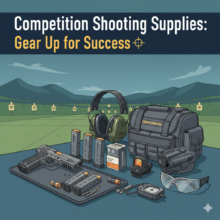
Compare the full cost, not just the lane fee. Add rental fees, ammunition rules, targets, eye and ear protection, instruction, membership cost, guest fees, and time limits. Some ranges require you to buy their ammunition for rentals. Others let you bring your own gear but restrict certain ammo types.
Membership can be useful if you practice often, but do not buy one until you know the range fits your schedule and training style. Visit once or twice first if possible.
Red Flags Before You Shoot
- Rules are hard to find or inconsistently enforced.
- No one controls the firing line.
- Staff ignores unsafe muzzle direction or handling.
- Eye and ear protection rules are weak.
- Indoor air quality feels poor or cleanup looks neglected.
- Pricing is unclear until after you arrive.
- Beginners are pushed onto a lane without orientation.
First-Visit Checklist
- Read the range rules before you go.
- Bring valid ID and any required permits or memberships.
- Confirm allowed firearms, ammunition, and targets.
- Bring eye and ear protection, or confirm rentals are available.
- Ask about beginner orientation if you are new.
- Wash hands after shooting, especially before eating or drinking.
- Leave if the range feels unsafe or poorly controlled.
FAQ
What should I look for in a shooting range?
Look for clear safety rules, controlled firing lines, helpful staff, required eye and ear protection, clean lanes, suitable backstops, and rules that match the type of practice you want to do.
Is an indoor range better for beginners?
Often, but not always. Indoor ranges can be convenient and supervised, but the best beginner range is the one with clear instruction, safe lane control, and staff willing to help.
Can I bring my own ammunition?
It depends on the range. Some allow outside ammunition, while others restrict certain bullet types or require range ammunition for rentals. Always check before visiting.
When should I leave a range?
Leave if the firing line feels uncontrolled, safety rules are ignored, staff does not respond to unsafe behavior, or the facility conditions make you uncomfortable. There is no training benefit in staying somewhere that feels unsafe.