What Are Ear Plugs For? Hearing Protection, Shooting, Sleep, and Travel
Ear plugs are small hearing-protection devices worn in the ear canal to reduce sound exposure, block water or wind, improve comfort during sleep or travel, and protect hearing in loud environments. For shooters, range workers, hunters, and anyone around impulse noise, their most important job is hearing protection.
The simple answer: ear plugs lower the amount of sound that reaches your inner ear. They do not make loud environments harmless, and they must fit correctly to work well. Foam plugs, reusable silicone plugs, filtered plugs, and custom-molded plugs all have different strengths. The best choice depends on what you are doing, how loud the environment is, and whether you need to hear speech or range commands at the same time.
Table of contents
Quick Answer
Ear plugs are for reducing noise exposure and protecting the ear canal in specific situations. People use them at shooting ranges, concerts, workshops, job sites, while sleeping, while traveling, and sometimes around water. They are especially important when sound is loud enough to cause discomfort, ringing, or long-term hearing damage.
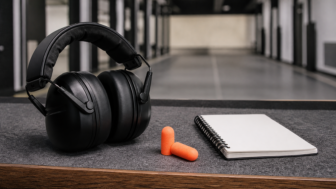
For shooting, ear plugs should be treated as serious safety gear. Firearms create short, intense impulse noise. Many shooters use plugs under earmuffs, especially indoors, because doubling up can improve protection and comfort. If you shoot indoors or around braked rifles, see our guide on how to double up ear protection at indoor ranges.
What Ear Plugs Do
Ear plugs create a physical barrier in the ear canal. That barrier reduces the sound energy reaching the eardrum. Some plugs are designed mainly to reduce general noise. Others use filters to reduce harmful peaks while still allowing more speech and environmental sound through. Custom plugs are shaped for a specific ear and can be more comfortable for long use when made correctly.
They Reduce Sound, Not Risk to Zero
Ear plugs reduce exposure, but they do not make every loud environment safe. Protection depends on fit, noise level, duration, the plug design, and whether the user inserts them correctly. A poorly inserted foam plug can perform far below its labeled rating. A good plug used badly is still poor protection.
They Help Manage Comfort
Ear plugs are also used for comfort. They can make travel, hotel rooms, mowing, power tools, or shared living spaces more tolerable. For those uses, comfort and pressure are often just as important as maximum noise reduction.
Hearing Protection
Noise-induced hearing loss can be permanent, and it can happen gradually. Official safety resources from CDC/NIOSH noise and hearing loss prevention explain that reducing noise exposure is a key part of protecting hearing. Ear plugs are one tool for doing that, especially when the sound source cannot be removed or avoided.
When Sound Is Too Loud
A practical rule: if you need to raise your voice to talk to someone nearby, the environment may be loud enough to deserve hearing protection. Ringing ears, muffled hearing, or discomfort after exposure are warning signs. Do not wait for pain before protecting your hearing.
Duration Matters
Lower-level noise over a long time can still be harmful. High-level impulse noise can be risky very quickly. That is why hearing protection matters for both steady noise, like machinery, and sudden noise, like gunfire.
Ear Plugs for Shooting and Ranges
Shooting is one of the clearest use cases for ear plugs. Firearms can produce extremely loud impulse noise, and indoor ranges often make sound feel sharper because of hard surfaces and enclosed space. Ear plugs can help protect the ear canal, while earmuffs add extra coverage around the outer ear.
Indoor Ranges
Indoor ranges are a strong case for doubling up with plugs and muffs. The extra layer can reduce exposure and make the range more comfortable. It also gives some backup if one layer shifts. Our essential range gear checklist covers ear protection as a core item for a safe range day.
Outdoor Shooting and Hunting
Outdoor shooting can feel less harsh than indoor shooting, but hearing protection still matters. Hunters sometimes choose filtered plugs or electronic hearing protection so they can hear surrounding sounds while reducing dangerous impulse noise. Whatever you choose, practice with it before relying on it in the field so it does not interfere with safe communication or awareness.
Types of Ear Plugs
Different ear plugs solve different problems. The best plug for sleeping may not be the best plug for a shooting range. The best plug for a concert may not be the best plug for water use. Choose based on the environment, comfort, reuse, communication needs, and fit.
Foam Ear Plugs
Foam plugs are common, inexpensive, and effective when inserted correctly. They are usually rolled down, inserted into the ear canal, and allowed to expand. They can provide strong noise reduction, but many people do not insert them deeply enough. Dirty or reused disposable foam plugs can also irritate the ear.
Reusable Silicone or Rubber Plugs
Reusable plugs often have flanges or a shaped body. They are easy to insert and remove, and they can be cleaned according to the manufacturer instructions. They may be more convenient than foam for short repeated use, but comfort varies by ear shape.
Filtered and Electronic Options
Filtered plugs are designed to reduce certain sound levels while preserving more natural hearing than solid plugs. Electronic hearing protection can amplify quieter sound and limit loud peaks, depending on the design. For shooting, filtered or electronic options can be useful when communication is important, but they still need proper fit and realistic expectations.
Custom-Molded Ear Plugs
Custom plugs are made to match the user’s ear shape. They can be comfortable for long sessions and may be useful for frequent shooters, musicians, workers, or travelers. They cost more and should be made by a qualified provider when accurate fit matters.
Fit and Insertion
Fit is the difference between hearing protection that works and hearing protection that only looks like it works. With foam plugs, roll the plug into a small cylinder, pull the ear slightly upward and back, insert the plug, and hold it in place while it expands. With reusable plugs, follow the maker’s instructions and check that the seal feels even.
Signs of a Poor Fit
A poor fit may feel loose, fall out, seal only one ear, or leave speech and noise almost unchanged. If the plug hurts sharply, remove it and try again. Ear canals differ, so one size or style may not work for everyone.
Clean Hands and Clean Plugs
Insert plugs with clean hands when possible. Reusable plugs should be cleaned and dried according to the manufacturer instructions. Do not push dirty, damaged, or unsuitable material into the ear canal.
NRR and Noise Reduction
Many hearing-protection products list a Noise Reduction Rating, often called NRR. That number can help compare products, but it should not be treated as a perfect real-world guarantee. Fit and use matter heavily. OSHA’s occupational noise and hearing conservation guidance explains hearing-protection programs and why noise exposure needs to be managed carefully.
Higher Is Not Always Better for Every Use
For sleeping or travel, comfort may matter more than the highest possible rating. For shooting, loud tools, or industrial noise, stronger protection and proper fit become more important. The best hearing protection is the one that is appropriate for the environment and actually worn correctly.
Doubling Up
Wearing ear plugs under earmuffs can add protection, but the ratings do not simply add together. Doubling up is still smart for many shooting environments because it gives two layers and helps cover fit mistakes. Indoor ranges are a common example.
Other Common Uses
Ear plugs are not only for shooting. People use them while sleeping, traveling, studying, working near tools, attending concerts, riding motorcycles, swimming, or dealing with wind noise. Each use has a different priority.
Sleep and Travel
For sleep, comfort and low pressure are critical. A plug that blocks sound well but hurts after an hour will not help much. For travel, disposable foam or soft reusable plugs can reduce cabin noise, hotel noise, and general fatigue.
Water and Wind
Some plugs are made to help keep water out during swimming or showering. Others reduce wind noise for motorsports or outdoor activities. Do not assume a shooting plug is the right plug for water, and do not use plugs in a way that conflicts with medical advice if you have ear problems.
Common Mistakes
The biggest mistake is wearing ear plugs loosely. The second biggest mistake is using the wrong plug for the job. Shooters may also forget that plugs can reduce awareness and communication, so range commands and safe firearm handling must stay front and center. If you are working on range fundamentals, pair hearing protection with safe body position and muzzle discipline; our shooting stance guide for beginners is a useful companion.
Ignoring One Ear
Both ears need protection. Some shooters expose one ear while trying to hear conversation or instruction. That is not a good habit around gunfire. Use communication-friendly protection instead of leaving one ear open.
Reusing Disposable Plugs Too Long
Disposable foam plugs are not meant to last forever. Replace them when they are dirty, damaged, slow to expand, or no longer seal well. Reusable plugs also need cleaning and inspection.
FAQ
What are ear plugs mainly used for?
Ear plugs are mainly used to reduce sound exposure and improve comfort in noisy environments. They are also used for sleep, travel, water protection, wind reduction, and certain work or recreation settings.
Are ear plugs enough for shooting?
Ear plugs can be part of shooting hearing protection, but many shooters use plugs and earmuffs together, especially indoors or around very loud firearms. Proper fit matters as much as the product choice.
Can ear plugs damage your ears?
Ear plugs can irritate the ear if they are dirty, inserted roughly, pushed too deeply, or used against medical advice. Use clean plugs, follow instructions, and ask a qualified medical professional if you have ear pain, infection, surgery history, or unusual symptoms.
Are foam or silicone ear plugs better?
Foam plugs often provide strong noise reduction when inserted correctly. Silicone or reusable plugs can be easier to insert and clean. The better choice depends on fit, comfort, noise level, and how often you use them.
What does NRR mean on ear plugs?
NRR stands for Noise Reduction Rating. It is a lab-based rating used to compare hearing-protection products, but real-world protection depends on fit, insertion, noise type, and whether the user wears the plugs consistently.
Final Thoughts
Ear plugs are simple, inexpensive tools that can protect hearing and make noisy environments more manageable. For shooting, they should be treated as essential safety gear, not an optional comfort item. Choose the right style, fit it correctly, keep it clean, and double up with earmuffs when the noise level calls for extra protection.