Muzzleloader Guide: 10 Safety Checks for Loading, Misfires, and Cleaning
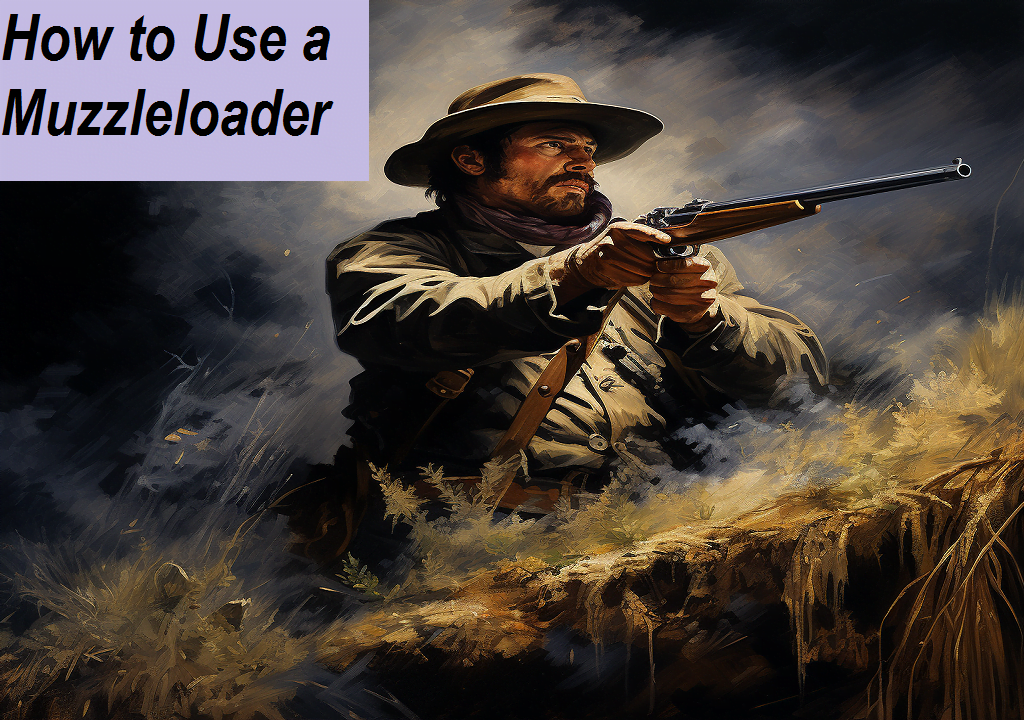
This muzzleloader guide starts with the safety checks that matter most: the exact firearm manual, the powder and projectile the manufacturer allows, and hands-on loading practice with a qualified instructor or experienced mentor. Keep the muzzle in a safe direction, use the correct components, mark the ramrod, avoid double loading, and treat every muzzleloader as loaded until you personally confirm otherwise.
This guide gives 10 practical safety checks for beginners and returning hunters. It is not a replacement for the manual, a hunter education course, a range officer, or a qualified gunsmith.
Table of contents
Muzzleloader Guide: Quick Safety Plan
Before loading a muzzleloader, confirm the manual, correct powder type, correct charge range, correct projectile, clear bore, safe backstop, and eye and ear protection. Do not load from a powder container at the muzzle. Do not guess components. Do not fire if you suspect a double load, bore obstruction, wrong powder, or damaged firearm.
Use the exact manual
Muzzleloaders vary by ignition system, barrel, projectile, and powder substitute rules. Use the manual for your exact model. If the manual is missing, get it from the manufacturer before loading.
Get hands-on instruction
A written guide is not a substitute for safe instruction. If you are new, learn from a certified hunter education instructor, range officer, qualified muzzleloader shooter, or gunsmith. Hunter-ed’s muzzleloader safety guidance is a useful outside reference for safe habits and common risks.
Keep the muzzle safe
Loading from the muzzle can make people careless about direction. Keep the muzzle pointed in a safe direction during loading, priming, firing, unloading, and cleaning.
Manual, Rules, and Components
Start with rules and components. The National Shooting Sports Foundation’s firearm safety rules apply to muzzleloaders too: know your target, know what is beyond it, and keep the firearm pointed safely.
Check hunting regulations
Muzzleloader seasons can have rules for ignition type, sights, scopes, powder, projectiles, orange clothing, and tagging. Check your current state wildlife agency regulations before hunting. The U.S. Fish and Wildlife Service hunting page is a good starting point for federal-land context, but state rules still control many details.
Use only approved powder
Use the powder or powder substitute allowed by the manual. Never substitute smokeless powder unless the firearm manual explicitly permits it. For most muzzleloaders, wrong powder can be dangerous.
Match projectile and sabot
Projectiles, sabots, round balls, conicals, and bullets must match the bore and manual guidance. A poor fit can affect pressure, accuracy, and safety.
Before Loading
Before any charge goes in the barrel, make sure the firearm, range, and loading bench are ready.
Inspect the firearm
Check the barrel, breech plug, nipple or ignition system, sights, stock, ramrod, and safety parts. Stop if you see cracks, corrosion, missing parts, or anything that does not match the manual.
Confirm the bore is clear
Use the manual’s method to confirm the bore is empty and clear. A marked ramrod can help show whether the barrel is empty, properly loaded, or possibly double loaded.
Prepare measured charges safely
Use a proper powder measure or manufacturer-approved pellets. Do not pour powder directly from a horn, flask, or container into the muzzle. Sparks or embers can create a serious hazard.
Loading Basics
Loading steps vary by muzzleloader. Treat the following as a safety overview, not a replacement for the manual.
Follow one sequence every time
Use the same safe order each time: confirm clear bore, measure charge, add approved powder or pellets, seat the projectile as directed, confirm ramrod mark, and prime only when ready to fire.
Seat the projectile correctly
The projectile must be seated firmly as the manual directs. An air gap or improperly seated projectile can be dangerous. Do not pound on the ramrod or use damaged loading tools.
Prime last
Keep the muzzleloader unprimed until you are on the firing line or legally and safely ready in the field. Priming early increases risk during movement and setup.
Range Checks and First Shots
Use a controlled range environment before hunting. Start with slow, deliberate shooting and careful notes.
Use a safe backstop
Choose a legal range or safe shooting area with an approved backstop. Do not shoot at water, rocks, trees, scrap metal, or unknown terrain.
Wear eye and ear protection
Muzzleloaders can produce smoke, debris, and high noise. Everyone near the firing line should use eye and hearing protection. The CDC/NIOSH sports and firearm noise guidance explains why hearing protection matters around shooting noise.
Record the load
Write down powder type, charge, projectile, sabot, primer or cap, distance, weather, and group size. Change only one variable at a time.
Field Use and Hunting Safety
Hunting with a muzzleloader adds weather, movement, low light, and legal requirements. Slow handling matters.
Protect the muzzle
Rain, snow, mud, leaves, or tape misuse can affect the bore. Follow the manual for weather protection and always confirm the bore is safe before firing.
Know loaded-status rules
States and public lands may define a loaded muzzleloader differently based on powder, projectile, cap, primer, or pan charge. Check rules before transport, road crossings, and stand changes.
Use ethical shot limits
Muzzleloader range depends on firearm, sights, load, shooter skill, and conditions. Use the distance you can repeat in practice, not the farthest shot someone else claims.
Misfire and Hangfire Caution
Misfires and hangfires require patience. Do not open, reprime, or point the firearm somewhere unsafe right after a failed ignition.
Keep the muzzle downrange
If the muzzleloader fails to fire, keep it pointed at the backstop and wait according to the manual or range officer instructions. A delayed ignition can happen.
Follow the manual for clearing
Do not improvise with tools, powder, or primers. Use the manufacturer’s clearing process or get help from a qualified range officer or gunsmith.
Stop after repeated misfires
Repeated ignition problems may mean moisture, fouling, blocked flash channel, bad primer, wrong component, or equipment damage. Stop and diagnose safely.
Cleaning and Storage
Muzzleloaders need prompt cleaning because black powder and many substitutes leave corrosive residue. Cleaning details vary by model and component.
Clean after shooting
Follow the manual for breech plug removal, solvent, patches, drying, and lubrication. Do not leave fouling in the barrel after a range session or hunt.
Store unloaded
Store firearms unloaded, secured, and separated from powder, primers, caps, and ammunition components as required by law and safe-storage guidance.
Check before next use
Before the next session, confirm the bore is clear, parts are dry, and the firearm is still in safe working condition.
Common Mistakes
Most muzzleloader mistakes come from guessing, rushing, or mixing components without checking the manual.
Using the wrong powder
Wrong powder can be dangerous. Use only what the manual allows and never substitute based on internet comments or old habits.
Forgetting the ramrod mark
A marked ramrod helps catch empty, loaded, and double-load conditions. Mark it for your safe, known load and check it consistently.
Priming too early
A muzzleloader should not be primed until you are ready under safe and legal conditions. Prime last and handle carefully.
10-Point Muzzleloader Safety Checklist
Use this short checklist before practice or hunting. If any item is uncertain, stop and check the manual or ask a qualified person before continuing.
- Exact firearm manual is available and read.
- Powder or powder substitute matches the manual.
- Projectile, sabot, ball, or conical matches the firearm.
- Bore is confirmed clear before loading.
- Ramrod is marked for the known safe load.
- Charge is measured away from the muzzle and main powder container.
- Projectile is seated as the manual directs.
- Primer, cap, or pan charge is added only when ready to fire.
- Safe backstop, eye protection, and hearing protection are in place.
- Misfire and unloading steps are known before the first shot.
Related Guides
For general firearm safety, review our shooting range safety rules. For target setup, see how to choose shooting targets. New hunters should also read the first-time hunting guide.
FAQ
Can beginners use a muzzleloader?
Yes, but beginners should learn from the firearm manual and a qualified instructor or experienced mentor. Loading and clearing mistakes can be serious.
Can I use smokeless powder in a muzzleloader?
Only if the exact firearm manual specifically allows it. For most muzzleloaders, using the wrong powder can be dangerous.
Why should I mark the ramrod?
A marked ramrod helps confirm whether the barrel is empty, properly loaded, or possibly double loaded. It is a simple safety habit.
What should I do after a misfire?
Keep the muzzle pointed safely downrange and wait according to the manual or range officer instructions. Then follow the manual’s clearing process.
Do muzzleloaders need cleaning after every use?
Yes, in normal use they should be cleaned promptly after shooting. Black powder and many substitutes leave residue that can damage the firearm if ignored.