Hunting With Black Powder: Muzzleloader Safety and Legal Checks
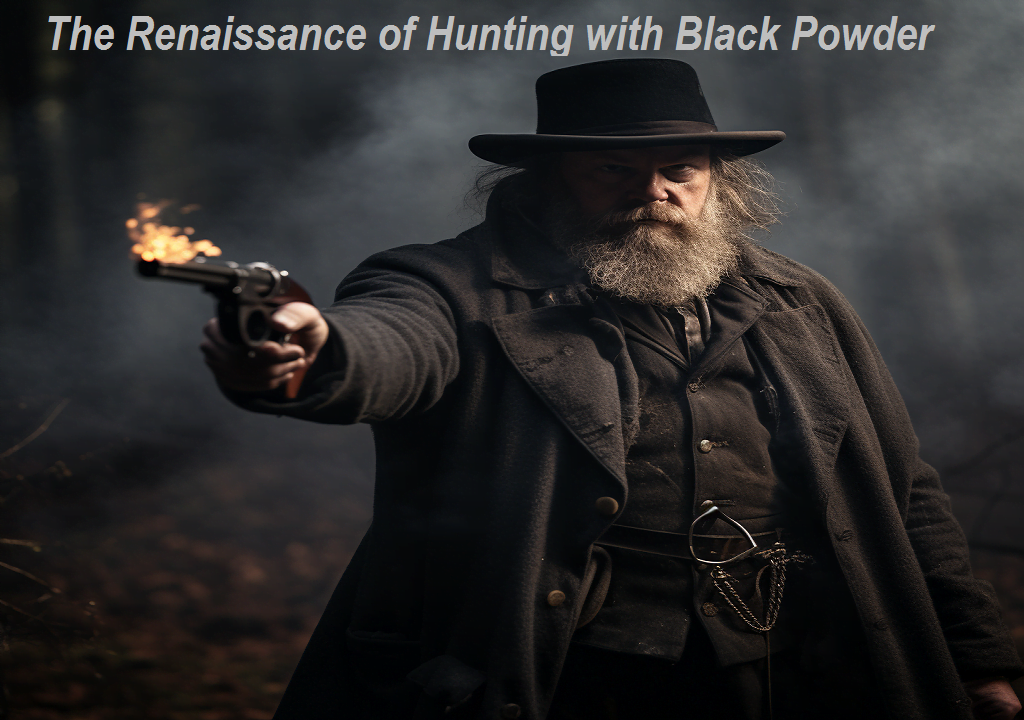
Hunting with black powder is best approached as a muzzleloader safety and legal-check project first. Before you hunt, confirm the current muzzleloader season rules, use only equipment that is legal for that area, follow the firearm maker’s manual, and treat every shot as a one-shot ethical decision.
This guide gives a safe planning framework for black-powder and muzzleloader hunting. It does not replace your firearm manual, hunter education, or current wildlife agency rules, and it does not provide loading recipes or powder-charge instructions.
Table of contents
Quick Answer: What Should You Know Before Hunting With Black Powder?
Before hunting with black powder, know the law, your muzzleloader type, your sight rules, your projectile rules, your safe handling routine, and your proven field range. Muzzleloader hunting can be rewarding, but it gives less room for rushed decisions because most setups are single-shot, slower to reload, and more weather-sensitive than modern centerfire rifles.
- Check the current rulebook: Muzzleloader seasons often have special rules for ignition, optics, projectiles, and legal dates.
- Follow the manual: Use only the propellant, projectile, primer, and maintenance approach approved for your exact firearm.
- Keep the muzzle safe: Treat a muzzleloader as loaded until it is clearly proven otherwise.
- Practice before hunting: Confirm point of impact from field positions, not only a bench.
- Set a hard limit: Only take shots inside the distance where you have reliable accuracy and enough energy for the game animal.
Legal Checks Before a Muzzleloader Hunt
Muzzleloader seasons are not all the same. Some states or units allow modern inline muzzleloaders, scopes, saboted bullets, pelletized propellants, and sealed ignition systems. Others restrict optics, ignition systems, projectiles, or season dates to preserve a more traditional hunt.
Use the official wildlife agency for the final rule. A hunter education reminder such as Hunter-Ed’s guidance to know and obey hunting laws explains the responsibility, but the current agency regulation decides what is legal for your hunt.
- Season and unit: Confirm the exact dates, unit boundaries, draw rules, tag requirements, and quota closures.
- Legal firearm type: Check whether inline, sidelock, flintlock, percussion cap, or specific ignition systems are allowed.
- Legal sights: Some muzzleloader hunts restrict scopes, magnification, illuminated sights, or electronic aids.
- Projectile rules: Confirm whether sabots, conicals, round balls, full-bore bullets, or lead-free projectiles are required or restricted.
- Transport rules: Know how your area defines loaded, unloaded, capped, primed, and safe transport for a muzzleloader.
When a regulation uses words like “primitive,” “traditional,” “muzzleloading rifle,” or “any legal firearm,” do not guess. Read the definitions section and call the agency if the wording is unclear.
Black-Powder Equipment Types
The right muzzleloader setup depends on the rules, the game animal, and the hunter’s ability to use it safely. The main categories are different enough that a hunter should not assume one setup qualifies for every muzzleloader season.
- Inline muzzleloaders: Modern layout, often weather-resistant, but still subject to season-specific rules.
- Caplock or percussion muzzleloaders: Traditional side-hammer style that uses a percussion cap ignition system.
- Flintlock muzzleloaders: Traditional ignition that requires more practice and careful weather management.
- Smoothbore muzzleloaders: Used in some traditional contexts, with different accuracy and projectile expectations.
- Muzzleloading shotguns: Used for some bird or small-game seasons where legal, with separate patterning and safety concerns.
Groups such as the National Muzzle Loading Rifle Association are useful for learning about muzzleloading history, competition, and community education. For a hunt, pair that background with your firearm manual and current hunting regulations.
Safe Handling and Field Discipline
A muzzleloader deserves the same firearm safety discipline as any other gun, plus extra attention to whether it is loaded, capped, primed, or cleared. The delay between loading and firing can create dangerous confusion if the hunter does not use a consistent routine.
The NSSF firearm safety rules are the baseline: control the muzzle, keep your finger off the trigger until ready, treat firearms as loaded, and know the target and what is beyond it. Those rules are especially important when a muzzleloader has been carried for hours.
- Use one routine: Load, carry, hunt, unload, and clean the same careful way every time.
- Mark the loaded state: Use a safe, manual-approved method to confirm whether the barrel is loaded.
- Control the muzzle: Never let the muzzle cover a partner, vehicle, dog, camp, or trail user.
- Check the bore: Obstructions can create severe danger. Follow the manufacturer’s safety process before loading.
- Separate distractions: Do not load or unload while talking, rushing, filming, or handling other gear.
Weather, Powder, and Storage Cautions
Black-powder hunting is more sensitive to moisture, storage, and cleaning than many modern rifle hunts. Rain, snow, condensation, and neglected cleaning can affect reliability and safety, so the plan should be conservative.
Do not mix advice from random forums with your firearm manual. Use only the propellant type, projectile type, ignition component, cleaning process, and storage method approved for your exact muzzleloader. If you do not understand the manual, ask a qualified instructor, gunsmith, or manufacturer support line before using the firearm.
- Keep components dry: Store powder and ignition components according to the maker’s instructions and local law.
- Avoid open flame: Keep powder away from sparks, smoking materials, heaters, and static-risk handling.
- Manage condensation: Moving between cold outdoor air and warm indoor air can create moisture problems.
- Clean promptly: Black-powder residue can be corrosive. Follow the firearm manual after range sessions and hunts.
- Transport carefully: Know the legal and safe condition for transport before leaving the field.
Range Practice and Ethical Distance
Muzzleloader accuracy is not only a bench-rest question. A hunter needs to know how the firearm performs from sitting, kneeling, supported, and cold-bore field positions because those are the shots that happen during a hunt.
Practice should answer practical questions: where does the first shot land, how does the sight picture look in low light, how does rain gear affect mounting the firearm, and what is the farthest distance where the hunter can place a clean shot repeatedly?
- Confirm zero: Check point of impact with the legal projectile and sight setup for the hunt.
- Practice one-shot discipline: Treat each practice shot like the only shot you may get.
- Use field rests: Practice with the same rest, sticks, pack, or tree support you may use outdoors.
- Track group consistency: If accuracy changes after cleaning or weather exposure, solve that before hunting.
- Set a distance cap: Your hunting limit should be shorter than your best range-day shot.
Shot Choice and Recovery Planning
Because many muzzleloader hunts offer one careful shot, the recovery plan matters before the animal appears. Know the game animal’s anatomy, choose a clear broadside or suitable angle within your proven range, and pass if brush, distance, movement, or background makes the shot uncertain.
Ethical hunting also supports conservation. The U.S. Fish and Wildlife Service Wildlife and Sport Fish Restoration Program explains how hunting and fishing funds support wildlife management, which makes accurate harvest, legal methods, and good recovery practices part of the larger responsibility.
- Mark the spot: Note where the animal stood and where it last moved.
- Wait with discipline: Follow hunter education guidance and local best practice before tracking.
- Bring recovery tools: Plan for light, game bags, navigation, communication, and help.
- Respect boundaries: Know landowner permission and public-land boundary rules before tracking.
- Report correctly: Tag, check, and report the harvest exactly as the agency requires.
FAQ
Is black-powder hunting the same as muzzleloader hunting?
They are closely related, but the wording can vary by regulation. Some rules refer to muzzleloaders, black powder, primitive weapons, or specific ignition systems. Always read the definitions in the current rulebook.
Can you use a scope during muzzleloader season?
It depends on the state, unit, species, and season. Some muzzleloader seasons allow scopes, while others restrict magnification or require open sights. Check the official regulation before mounting optics for the hunt.
How do you know if a muzzleloader is loaded?
Use the safe verification method described in your firearm manual. If there is any doubt, keep the muzzle in a safe direction and get qualified help rather than guessing.
What is a good hunting distance for black powder?
The right distance is the range where you can make a clean first shot with your legal setup from field positions. For many hunters, that limit is shorter than the firearm’s mechanical capability.
Do you need a special license for muzzleloader hunting?
Often, yes. Many places require a hunting license plus a muzzleloader tag, draw permit, season-specific authorization, or species tag. Confirm the exact requirement with the official wildlife agency.
Bottom Line
Black-powder hunting can be a meaningful way to hunt, but the safest path is plain: verify the rules, follow the firearm manual, practice realistically, keep handling disciplined, and take only shots you can recover cleanly.