Why Eye and Ear Protection Matters When Shooting
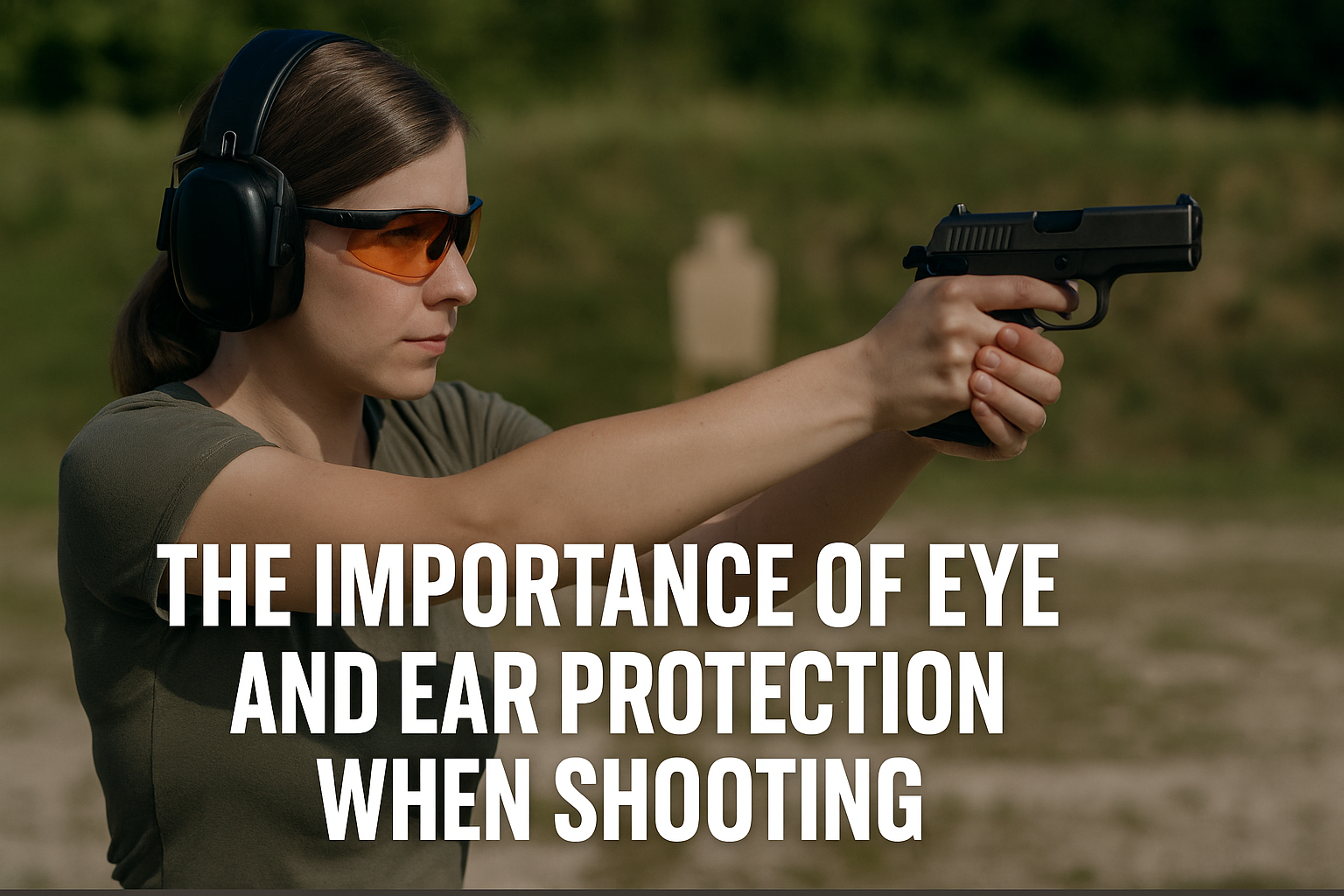
Eye and ear protection matter when shooting because firearms create separate hazards for hearing and vision. Gunfire is a sudden loud impulse noise, and shooting can also involve ejected cases, debris, fragments, hot gases, dust, and other range hazards. Hearing protection helps reduce noise exposure, while eye protection helps guard against impact and debris.
This is general safety information for range, hunting, and sport-shooting contexts. It is not medical advice, and it does not replace your range rules, instructor guidance, equipment instructions, or advice from a qualified hearing or eye-care professional.
Table of Contents
Why Shooters Need Eye and Ear Protection
Shooters wear eye and ear protection because the eyes and ears face different risks. Gunfire can create harmful noise exposure, especially indoors or near other shooters. Eye hazards can include ejected brass, blown debris, powder particles, fragments, and general range impact risks.
The CDC/NIOSH noise resources explain why noise exposure deserves prevention, and OSHA publishes general guidance on eye and face protection. For firearm handling rules, review the NSSF firearm safety rules.
Understanding Hearing Protection Ratings
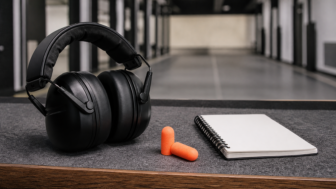
Hearing protection in the United States is commonly labeled with a Noise Reduction Rating, or NRR. A higher NRR generally indicates more potential noise reduction under test conditions, but real-world protection depends heavily on fit and proper use.
Earplugs and earmuffs can both help, and some shooters use plugs and muffs together at indoor ranges or around louder firearms. Do not simply add two NRR numbers together; combined protection is more nuanced than that. Follow the manufacturer’s instructions and your range’s requirements.
Understanding Eye Protection Standards
Shooting eye protection should be impact-rated. Regular sunglasses may reduce glare, but they are not automatically suitable for range impact hazards. Look for safety eyewear that clearly states the impact standard it is designed to meet, fits securely, and offers good side coverage.
Replace scratched, cracked, or damaged lenses. Eye protection only helps when it stays clear, fits correctly, and remains in place during the activity.
Fit and Proper Use Matter
Protection only works when worn correctly. Earplugs need a proper seal in the ear canal. Earmuffs need the cup cushions to seal around the ears, and that seal can be affected by hair, hats, eyewear arms, or poor adjustment.
Eye protection should sit close enough to protect the eyes without blocking vision or becoming uncomfortable. If protection is distracting, fogged, loose, or painful, people are more likely to adjust or remove it at the wrong time. Fit checks are part of range preparation.
| Protection Type | What to Check | Why It Matters |
|---|---|---|
| Earplugs | Correct insertion and seal | A shallow fit can reduce protection |
| Earmuffs | Full cushion seal around the ear | Hair, hats, or glasses can break the seal |
| Safety glasses | Impact rating, side coverage, clear lenses | Ordinary eyewear may not protect against range hazards |
Range and Hunting Safety Context
At a range, keep eye and ear protection on whenever shooting is active or range rules require it. Nearby shooters can expose you to noise and debris too, so protection is not only about the firearm you are personally using.
While hunting, some people use electronic hearing protection that reduces impulse noise while still allowing environmental sounds. Whatever gear you choose, follow local rules, manufacturer instructions, and hunter education guidance. For more range habits, read our shooting range safety rules guide.
Where to Get Qualified Guidance
For personal hearing concerns, talk with an audiologist or physician. For eye concerns or protective eyewear needs, talk with an eye-care professional. For range practice, ask a range safety officer or certified instructor. A general article can explain why protection matters, but it cannot evaluate your hearing, vision, firearm, range, or medical situation.
If you are assembling basic range equipment, pair this guide with our essential shooting gear guide and beginner shooting stance guide.
Frequently Asked Questions
Do I need both eye and ear protection at the range?
Yes. They protect against different hazards. Hearing protection helps reduce noise exposure, while eye protection helps guard against debris, ejected cases, and impact risks. Always follow your range’s rules.
What does NRR mean on hearing protection?
NRR stands for Noise Reduction Rating. It is a labeled test rating for hearing protection, but real-world protection depends on fit, seal, and correct use.
Can I use regular sunglasses for shooting?
Do not assume regular sunglasses are enough. Shooting glasses should be impact-rated and designed for safety use, not just glare reduction.
Should I wear earplugs and earmuffs together?
Many shooters double up at indoor ranges or around louder firearms. Combined protection can help, but it does not equal the simple sum of both ratings. Fit still matters.
When should I replace eye or ear protection?
Replace damaged eyewear, scratched lenses, worn earmuff cushions, dirty reusable plugs, and any protection that no longer fits or seals properly. Follow the manufacturer’s maintenance instructions.
Final Safety Reminder
Eye and ear protection are basic range safety gear, not optional accessories. Choose impact-rated eyewear, use hearing protection correctly, check fit before shooting starts, and follow your range safety officer’s commands. When in doubt, ask qualified help before stepping to the firing line.