Surprise Buck Hunting: Safe Shot Decisions, Recovery, and Field Checklist
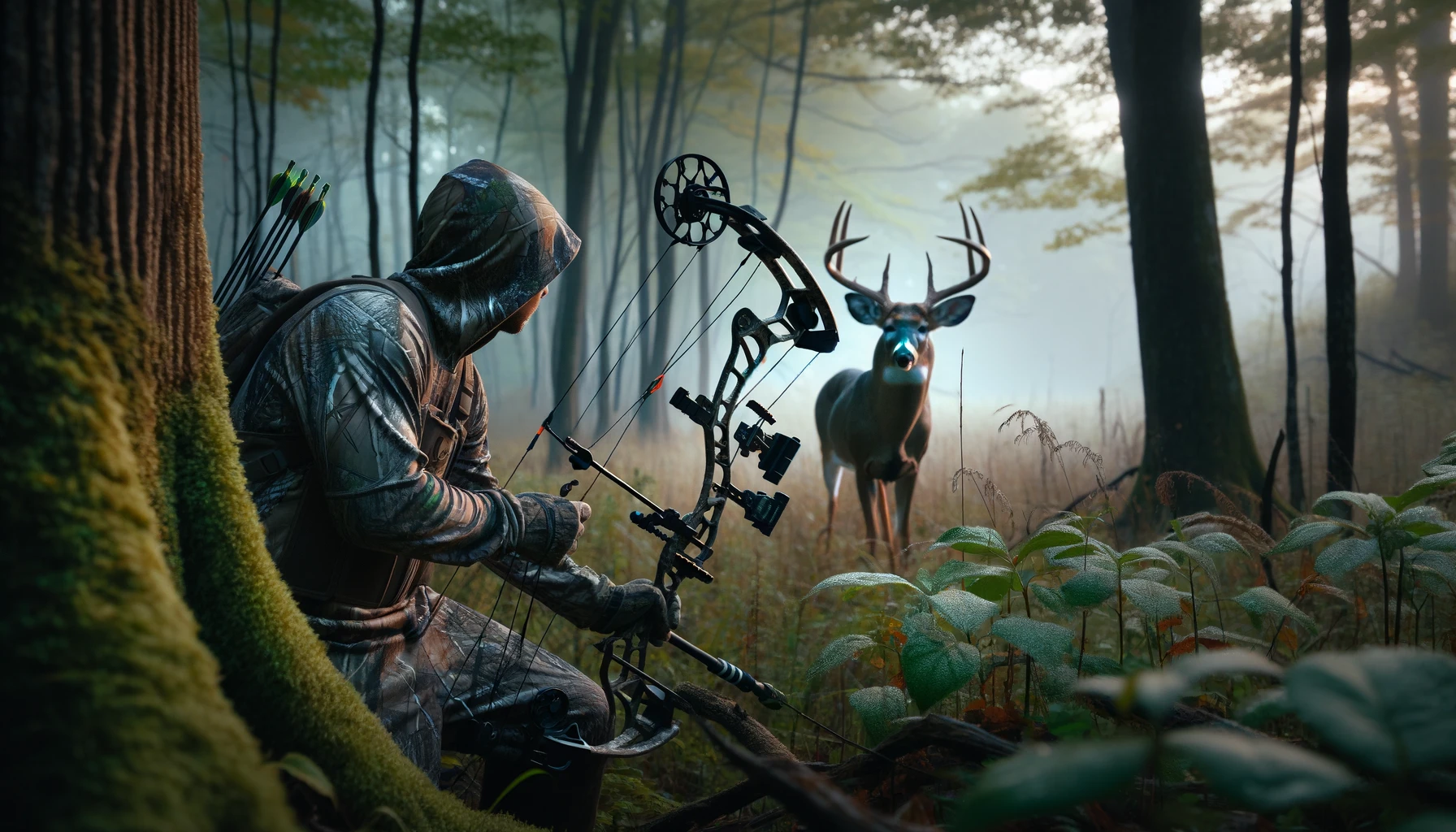
A surprise buck can make even a prepared hunter rush. The right move is simple: stay still, confirm the deer is legal, check distance and angle, and only take a shot you can make cleanly. If the shot is blocked, rushed, too far, or unsafe, let the buck walk and learn from the encounter.
Table of contents
Quick Answer: What to Do When a Surprise Buck Appears
When a surprise buck steps out, do not move first. Freeze, breathe, and let your eyes do the work. Check whether the deer is legal, whether the background is safe, whether the distance is inside your practiced range, and whether the deer gives you a clear angle. A calm pass is better than a poor shot.
Use a short decision order
Think in this order: safety, legality, distance, angle, obstacles, wind, and recovery plan. If one of those checks fails, do not force the shot.
Do not chase the moment
Unexpected deer encounters feel fast, but most mistakes come from hurrying. If the buck is walking, screened by brush, facing you, or about to cross a property line, wait or pass.
Stay Still and Read the Situation
A buck that appears without warning may not know you are there. Sudden movement can end the chance before you understand what is happening.
Check wind, cover, and distance
Use the wind and terrain before you move. If the buck is downwind, your window may be short. If it is behind cover, wait for a clean lane instead of trying to thread a shot through branches.
Watch body language
A relaxed deer may feed, pause, or look away. A tense deer may raise its head, stomp, flag, or lock onto your position. Move only when the deer is looking away or blocked by cover.
Range before you commit
Guessing distance is a common reason for bad shots. If you use a rangefinder, use it early and quietly. If you cannot confirm distance, stay inside the range you can judge and shoot in practice.
Confirm the Buck Is Legal
Hunting rules change by state, zone, date, weapon, tag, and property type. Check your current state wildlife agency regulations before the hunt, and know the antler or harvest rules for the exact area you are hunting.
Know your tag and season
Before you climb into a stand or start a still-hunt, know whether you have the right tag, whether the season is open, and whether your weapon is legal for that date and location.
Know blaze orange and access rules
Some areas require blaze orange, special permits, stand rules, reporting steps, or different rules on public and private land. Do not rely on last year’s memory.
Use training as a baseline
If you are new or returning after a long break, hunter education is worth reviewing. The IHEA-USA course finder can help you find state-approved hunter education options.
Make the Most Conservative Shot Decision
The best hunters are willing to pass. A surprise buck is still a living animal, and the goal is a clean, legal, recoverable harvest.
When to pass the shot
Pass if the buck is too far, quartering sharply, moving fast, standing behind brush, skylined, close to another animal, or near a property line where recovery may be difficult. Also pass if you feel rushed or cannot settle your sight picture.
When a shot may be reasonable
A reasonable shot is inside your practiced range, has a safe backstop, gives you a clear view of the vital area, and leaves you confident about where the deer was standing at the shot. The four primary firearm safety rules still apply before, during, and after the shot.
Respect fair chase
Surprise should not mean reckless. Fair chase starts with obeying the law and giving the animal a real chance to escape. The Boone and Crockett Club fair chase statement is a useful ethics reference for big-game hunters.
Prepare for Recovery Before You Shoot
Good recovery starts before the trigger breaks or the arrow leaves the bow. Know where the buck is standing, where it is likely to run, and how you will mark the location.
Mark the exact spot
Pick a tree, stump, rock, trail bend, or patch of grass near the deer before the shot. After the shot, keep watching and mark the last place you saw the deer.
Listen after the shot
Do not celebrate, climb down, or start talking right away. Listen for running, crashing, coughing, or silence. Those details can help you decide how long to wait and where to start.
Give the deer time
If the hit is uncertain, pushing too soon can make recovery harder. Wait, review what you saw, and follow local best practices. When in doubt, get help from an experienced tracker where legal.
Common Mistakes Hunters Make
Most surprise-buck mistakes are not gear problems. They are decision problems made in a few seconds.
Moving before reading the deer
Fast movement draws attention. Move only when the buck is looking away, feeding, or screened by cover.
Forcing a brush shot
Branches, grass, and small trees can deflect bullets or arrows. If the lane is not clean, wait for a better opening.
Ignoring the recovery path
A legal shot can still become a poor decision if recovery is unlikely. Think about property boundaries, water, thick cover, darkness, and weather before you shoot.
Simple Field Checklist
Use this short checklist before making a decision on an unexpected buck:
Safety
Confirm the target, what is beyond it, and where other hunters, roads, buildings, livestock, and property lines are located.
Legality
Confirm season, tag, weapon, antler rules, land access, and reporting requirements for the area you are hunting.
Shot quality
Confirm distance, angle, clear lane, stable shooting position, and your own confidence. If you cannot confirm these, pass.
Recovery
Mark the shot location, watch the deer after the shot, wait appropriately, and track carefully. Do not rush into thick cover without a plan.
Related Guides
For more deer behavior context, read our guide on how the moon influences deer behavior. New hunters should also review our first-time hunting guide and broader hunting techniques guide.
FAQ
Should I shoot as soon as a surprise buck appears?
No. First confirm safety, legality, distance, angle, and recovery conditions. A fast shot is not worth it if you cannot make a clean decision.
What if the buck is walking?
Wait for it to stop or pass. Moving animals increase the chance of poor placement, especially when the encounter is already unexpected.
How can I prepare for surprise deer encounters?
Practice from realistic field positions, range landmarks before deer appear, keep gear quiet, and rehearse your decision order before the hunt.
How long should I wait before tracking?
It depends on what you saw, the shot angle, sign, weather, and local conditions. If you are unsure, wait longer and get experienced help where legal.
Is it better to pass a big buck than risk a bad shot?
Yes. Passing is part of ethical hunting. A buck you pass today may give you another chance later, and you avoid a poor recovery situation.