Table of Contents
Predator hunting has evolved significantly over the years, blending traditional methods with cutting-edge technology and advanced strategies. This evolution has not only enhanced the hunting experience but also improved the effectiveness and efficiency of hunters targeting predators such as coyotes, foxes, and bobcats. Let’s explore the innovations and strategies revolutionizing predator hunting today.
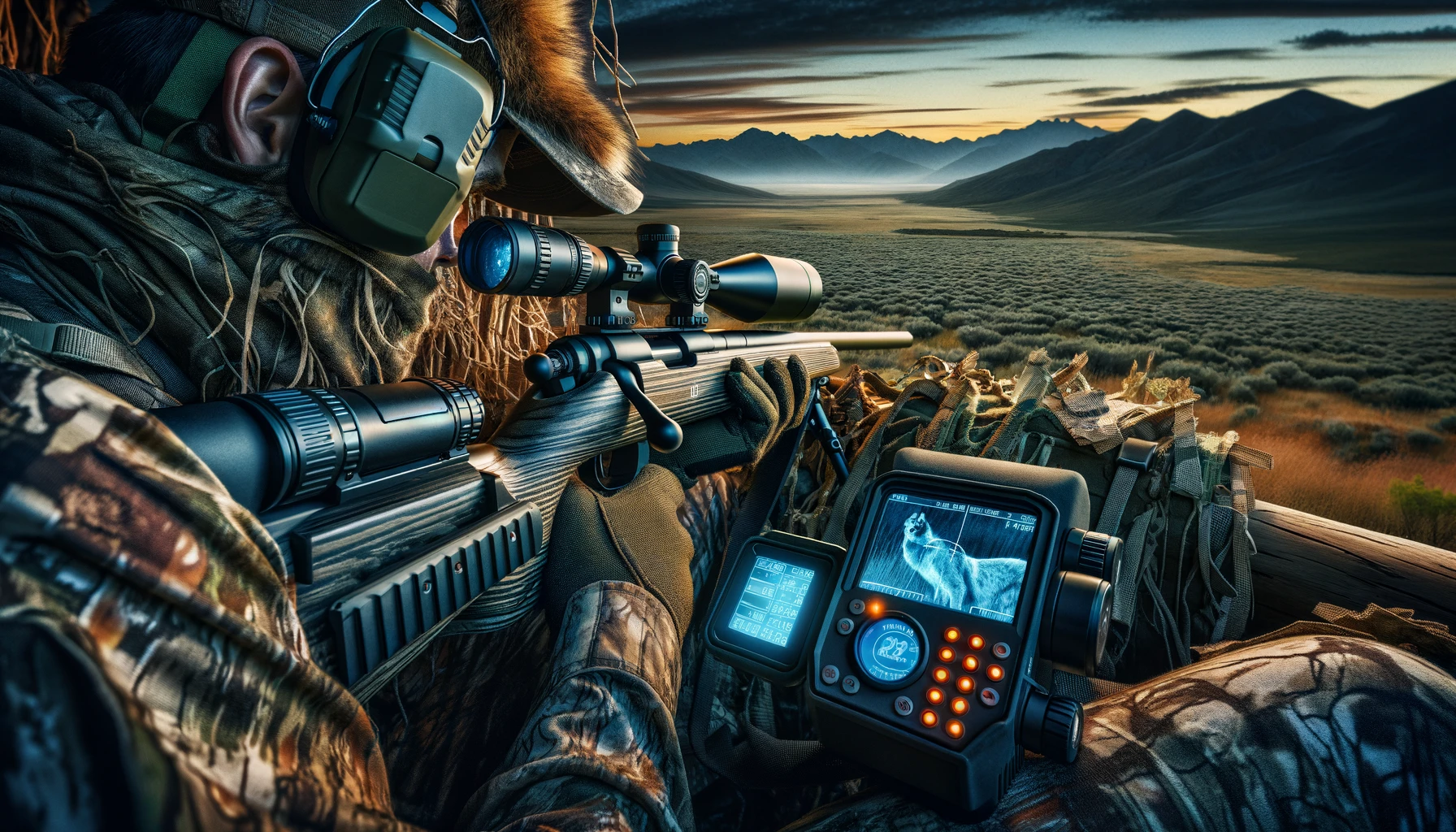
Modern electronic calls have transformed how hunters lure predators. With the ability to mimic a wide range of sounds, from distressed prey to competitor calls, these devices offer versatility and realism that manual calls cannot match. Programmable and remote-controlled, they allow hunters to adjust tactics on the fly and attract predators from greater distances.
The development of high-definition optics, thermal imaging, and night vision technology has significantly improved predator hunters’ ability to spot and track their quarry in various conditions, especially during nocturnal hunts. These tools not only enhance visibility but also increase the safety and success rate of hunts.
Advances in camouflage technology, including patterns designed to disrupt a predator’s visual perception, have made hunters more invisible than ever. Scent control products and clothing, utilizing activated carbon and antimicrobial treatments, help mask human odors, further increasing a hunter’s stealth.
A deep understanding of predator behavior and movement patterns is crucial. Modern hunters invest time in scouting and employing trail cameras to gather intelligence on their targets, including preferred trails, watering holes, and feeding areas.
The use of decoys in predator hunting, simulating prey or even rival predators, has become more sophisticated. Motion decoys add another layer of realism, provoking the predatory instincts of coyotes and other targets to investigate, thereby offering hunters a clear shot.
Effective predator management often involves integrated approaches that consider the ecological impact and aim for sustainable predator populations. Hunters play a vital role in this balance, working alongside wildlife management professionals to ensure healthy ecosystems.
As predator hunting evolves, so does the emphasis on ethical hunting practices. This includes ensuring clean, humane shots, respecting local regulations and bag limits, and considering the broader ecological impact of hunting activities.
Predator hunters contribute to wildlife conservation efforts through license fees, participating in scientific research, and managing predator populations to prevent overpopulation and disease spread. This balanced approach supports biodiversity and the health of various species.
The revolution in predator hunting, driven by technological advancements and strategic innovations, offers hunters unprecedented opportunities to engage with the natural world in challenging, effective, and ethical ways. As the sport continues to evolve, the future of predator hunting looks promising, blending tradition with modernity in pursuit of sustainable and respectful hunting practices.
Regulations on electronic calls vary by region and species. Always check local hunting regulations before using these devices.
Wind direction is crucial; hunters should position themselves downwind of the target area to prevent their scent from alerting predators.
Legality varies by jurisdiction. Some areas allow the use of these technologies for hunting, while others restrict or prohibit them. Always verify local laws.
By managing predator populations, hunters help prevent overpopulation, reduce disease transmission, and support the balance of ecosystems, contributing to the overall health of wildlife populations.
Studying scientific literature, observing wildlife in their natural habitat, and learning from experienced hunters are effective ways to understand predator behavior and improve hunting success.
When it comes to modern bowhunting, speed remains one of the most talked-about specifications among…
3D archery has become one of the fastest-growing disciplines in the archery world. Unlike traditional…
Target archery is a sport where precision matters more than power. Even the slightest movement…
Bow strings are one of the most important components of any bow. Whether you shoot…
Getting started with a compound bow can be exciting. Compound bows offer impressive accuracy, speed,…
When people think about snipers, they often imagine extremely powerful scopes capable of zooming targets…
This website uses cookies.

