Table of Contents
The task of managing deer populations has always been a complex balance of conservation, public safety, and hunting traditions. However, recent years have seen this task become increasingly challenging. This article explores the multifaceted reasons behind the growing difficulties in deer management and the implications for ecosystems, communities, and hunters alike.
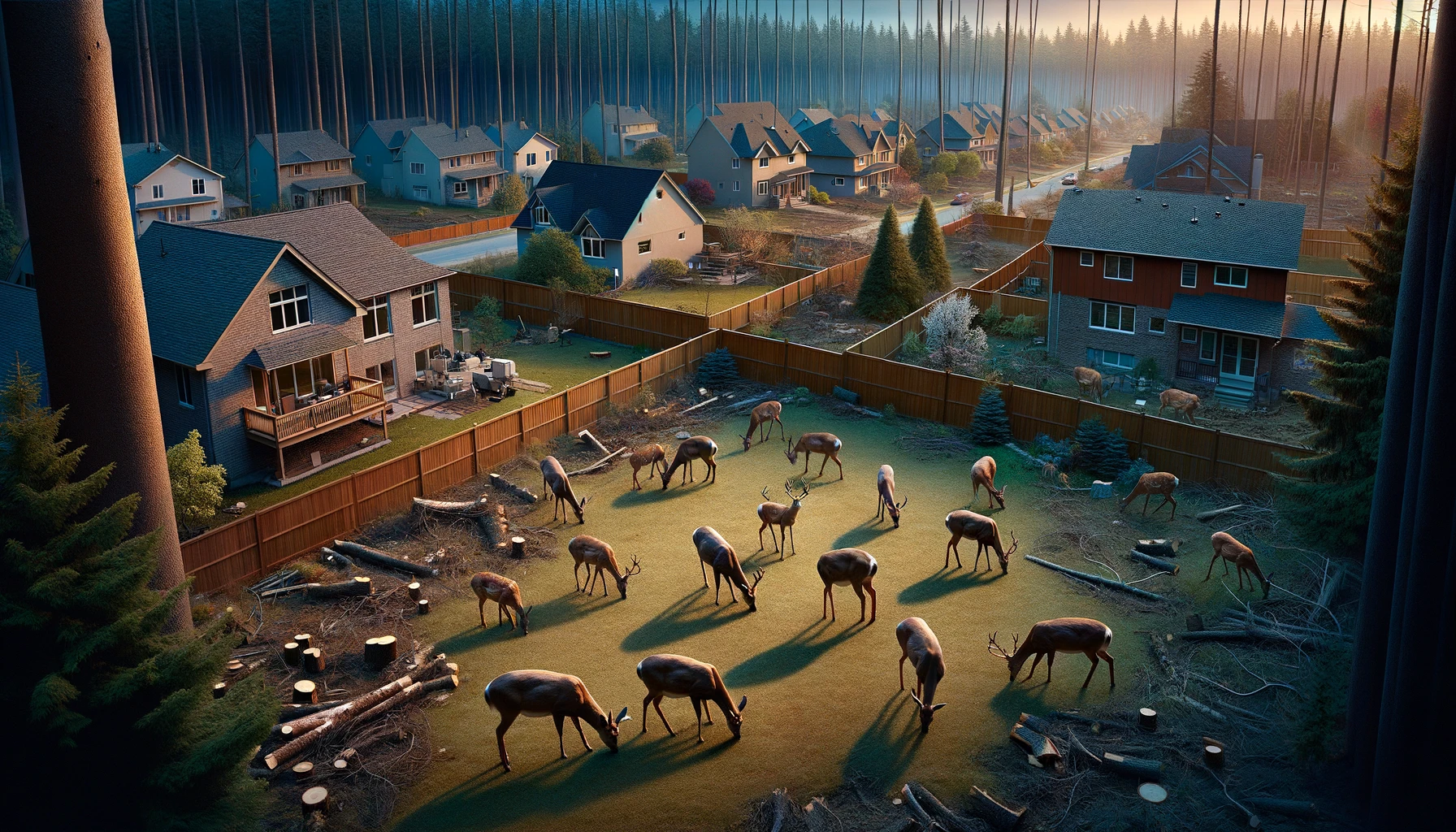
As urban areas expand, deer habitats are increasingly fragmented, leading to isolated populations that can grow unchecked due to a lack of natural predators. This not only makes management efforts more complex but also increases deer-human interactions, which can lead to property damage, vehicle collisions, and public safety concerns.
Climate change is altering natural habitats and food availability, impacting deer migration patterns and reproduction rates. Unpredictable weather patterns and milder winters can lead to higher survival rates of fawns, complicating population control efforts.
Effective deer management often requires a multifaceted approach, including hunting, fertility control, and habitat modification. However, legislative restrictions and public opposition to certain management methods, such as culling or controlled hunts, can limit the options available to wildlife agencies.
The decline in natural predator populations, such as wolves and cougars, in certain areas has removed a natural check on deer populations. Additionally, diseases like Chronic Wasting Disease (CWD) not only affect deer health but can also complicate management strategies due to the need for increased surveillance and control measures.
Combining hunting with non-lethal methods, such as fertility control and habitat management, can provide a more sustainable approach to deer population control. Public education campaigns can also play a crucial role in garnering support for these measures.
The use of technology, including drones for population surveys and advanced tracking methods, can offer more accurate data to inform management decisions. These technologies can help identify hotspots for deer-human conflicts and monitor the effectiveness of management strategies.
Engaging communities in deer management efforts, through citizen science projects and stakeholder meetings, can lead to more acceptable and effective solutions. Collaborative approaches can help align the goals of different groups, from conservationists to hunters.
Managing deer populations in the modern world is a growing challenge that requires innovative solutions and broad-based support. By understanding the complexities involved and adopting a flexible, integrated approach to management, it is possible to address the ecological, societal, and ethical issues that come with deer overpopulation.
Deer management is crucial for maintaining balanced ecosystems, reducing deer-vehicle collisions, protecting agricultural and personal property, and ensuring healthy deer populations.
While hunting is a significant tool for deer population control, it often needs to be supplemented with other management strategies due to urban expansion and restricted hunting areas.
Overpopulated deer can lead to habitat degradation, loss of biodiversity, increased vehicle collisions, and the spread of diseases.
Climate change can lead to more mild winters, affecting deer survival rates and altering habitats and food sources, which can impact population dynamics.
Communities can support deer management efforts through participation in public education initiatives, reporting sightings and damages, and engaging in discussions on management strategies.
For more please visit : The shooting Gears
When it comes to modern bowhunting, speed remains one of the most talked-about specifications among…
3D archery has become one of the fastest-growing disciplines in the archery world. Unlike traditional…
Target archery is a sport where precision matters more than power. Even the slightest movement…
Bow strings are one of the most important components of any bow. Whether you shoot…
Getting started with a compound bow can be exciting. Compound bows offer impressive accuracy, speed,…
When people think about snipers, they often imagine extremely powerful scopes capable of zooming targets…
This website uses cookies.

