How to Pattern Your Shotgun for Hunting
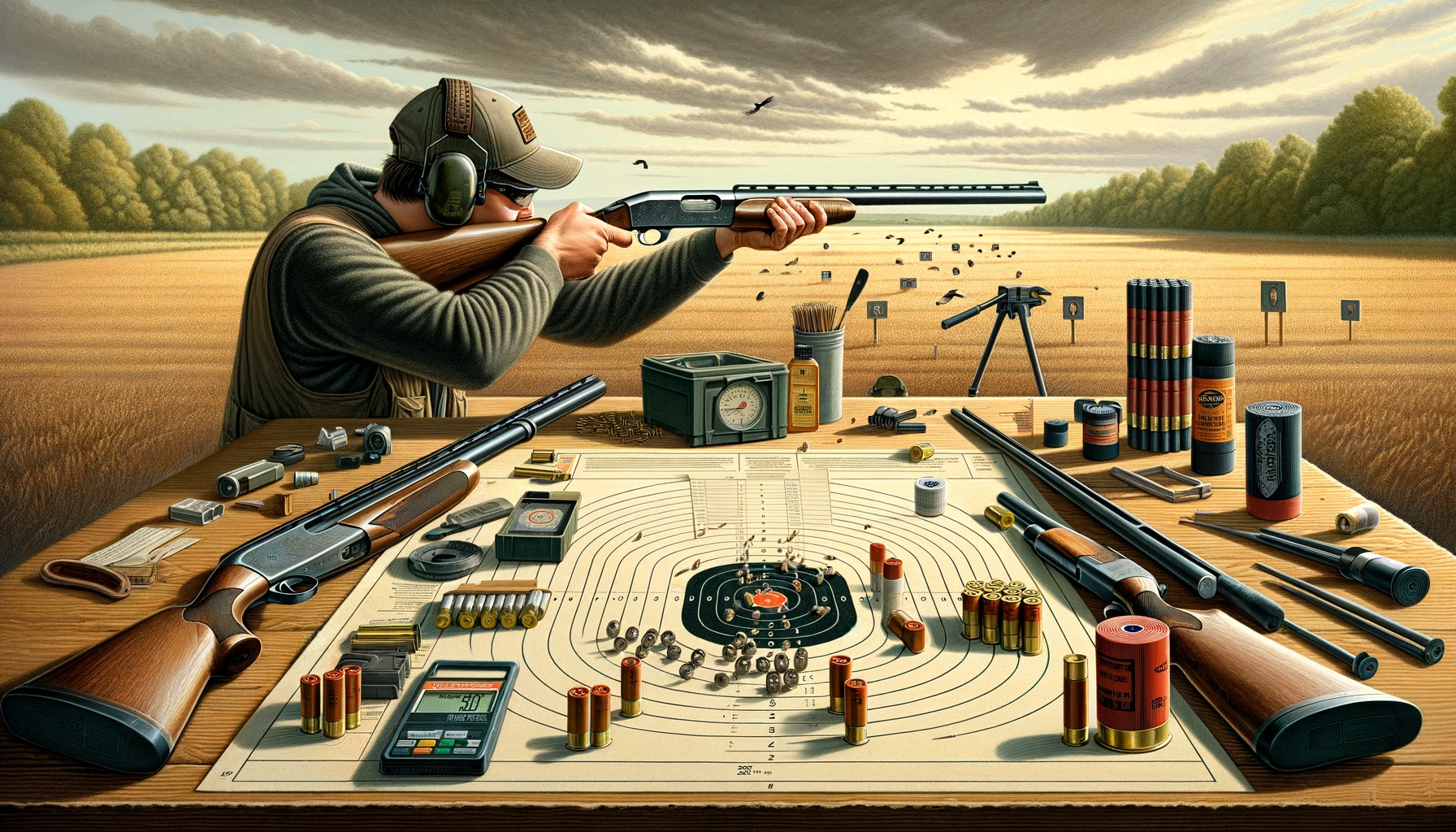
Patterning your shotgun for hunting means testing your real shotgun, choke, and hunting load on paper before the season so you know where the pellets hit and how evenly they spread. A shotgun pattern is not a guess. It is proof of what your setup does at a real distance.
The goal is simple: find a combination that puts enough pellets in the vital area for the game you hunt without leaving big empty gaps. Patterning also shows whether your shotgun shoots high, low, left, or right compared with your point of aim. That makes it one of the most practical preseason checks a hunter can do.
Table of contents
Quick Answer: How To Pattern A Shotgun
Set a large paper target at your expected hunting distance, fire one careful shot with the exact choke and shell you plan to hunt with, mark the center of the pellet cloud, draw a 30-inch circle around the densest part of the pattern, then check pellet count, evenness, gaps, and point of impact. Repeat with multiple shots before deciding whether the combination is reliable.
The Simple Patterning Formula
- Use the shotgun, choke, and shell you will actually hunt with.
- Start at a realistic distance for your game and terrain.
- Use a large target so the whole pattern is visible.
- Fire from a safe, stable position.
- Analyze several targets, not just one lucky shot.
Why Patterning Matters For Hunting
Shotguns do not send one projectile to one exact point. They send many pellets into a pattern that changes with distance, choke, shell design, shot size, barrel, and even individual gun fit. Two hunters can use the same shell and choke and still get different results.
Patterning Confirms Effective Range
A load that looks good at 25 yards may become thin at 40 yards. A tight turkey setup may work well at longer distances but be unforgiving up close. Patterning shows where your useful range starts and where it ends.
Patterning Supports Ethical Hunting
Ethical shotgun hunting depends on pattern density, pellet energy, and shot placement. Patterning cannot replace judgment in the field, but it helps prevent a bad assumption before the hunt. If the pattern has large gaps at your chosen distance, that distance is not a good hunting distance for that setup.
Patterning Shows Point Of Impact
Some shotguns print high, low, left, or right compared with the bead or sight picture. Patterning reveals that. If your best pellet cloud is not centered where you aimed, you may need to adjust sights, check gun fit, change technique, or test another load.
Gear You Need To Pattern A Shotgun
Patterning does not require fancy equipment, but the setup needs to be large enough, safe enough, and consistent enough to tell the truth.
Large Paper Targets
Use paper large enough to catch the whole pattern. Many hunters use a big sheet of paper, cardboard, or a dedicated patterning board. A small bullseye target can miss important information because pellets may land outside the paper.
Measuring Tape And Marker
You need a tape measure to set distance and draw or mark a 30-inch circle around the densest part of the pattern. A bold marker helps you label each target with shell, choke, distance, and shot number.
Stable Shooting Position
Use a bench, rest, or stable field position that helps you aim consistently. Patterning is not a wingshooting drill. You are trying to evaluate the gun and load, so remove as much human wobble as possible.
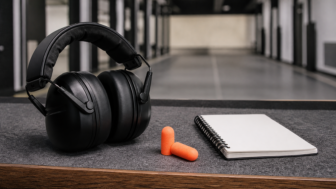
Eye And Ear Protection
Always use proper shooting protection. Shotgun patterning often involves multiple full-power hunting loads, and the session can get loud and repetitive quickly.
Safety Setup Before You Pattern
Patterning uses live ammunition and large pellet spreads, so safety comes before convenience. Use an approved range or a safe private location with a proper backstop and a clear downrange area.
Follow Firearm Safety Rules
Keep the muzzle pointed in a safe direction, keep your finger off the trigger until ready to shoot, and know what is beyond the target. The NSSF firearm safety rules are a useful reference before any live-fire work.
Use A Real Backstop
Do not pattern toward open ground without knowing where every pellet can go. Even small shot can travel farther than many people expect. Choose a location designed for shooting or confirmed safe for shotgun pattern testing.
Label Every Load Clearly
Do not mix shells on the bench. Label targets immediately so you do not confuse one load with another later. Good notes prevent bad conclusions.
Choose The Right Patterning Distance
The right distance depends on the hunt. A duck load, turkey load, upland bird load, and small-game load may all need different patterning distances. Do not test only at a distance that makes the pattern look good. Test where you actually expect to shoot.
Start With Your Real Hunting Range
If most shots happen inside 30 yards, start there. If you are setting up a turkey gun, you may test several known distances to understand close, midrange, and maximum pattern quality. The pattern should answer your hunting question, not just fill a target.
Use Multiple Distances When Needed
A single target at one distance can hide problems. If you hunt birds over decoys and also pass-shoot, test both likely distances. For broader shotgun handling practice, our guide to shooting positions can help with stable fundamentals even though shotgun hunting itself often happens from field positions.
Step-By-Step Shotgun Patterning Process
Use a repeatable process. The more consistent your setup, the more useful your results.
Step 1: Set The Target
Place a large target at the measured distance. Mark an aiming point in the center. Make sure the target is secure and square enough that wind will not fold it during the shot.
Step 2: Record The Setup
Write the shotgun, gauge, choke, shell brand, shell length, shot size, velocity if known, and distance on the target. If you change anything, start a new target.
Step 3: Fire One Careful Shot
Aim carefully at the center mark and fire one shot. Do not fire multiple shots into the same target unless you are doing a separate test. One target per shot makes the pattern easier to read.
Step 4: Find The Pattern Center
After the range is safe, inspect the target. Find the densest part of the pellet cloud. It may not be exactly around the aiming point. Draw a 30-inch circle around the densest useful pattern area.
Step 5: Count And Judge The Pattern
Count pellet hits if you need a percentage, but also look at evenness. A pattern with many pellets but one large empty gap can still be poor. The target should show consistent coverage where the game needs it.
Step 6: Repeat Before Deciding
One shot is only one sample. Fire several targets with the same setup before trusting the result. If patterns vary wildly, check your shooting position, choke installation, shell consistency, and target setup.
How To Read A Shotgun Pattern
A good pattern is not just tight. It is useful. You are looking for point of impact, density, evenness, and realistic coverage for the game.
Point Of Aim Vs Point Of Impact
Compare where you aimed with where the main pellet cloud landed. If the cloud consistently lands away from the aim point, the issue may be gun fit, sight alignment, technique, or the setup itself.
Pattern Density
Density means enough pellet hits in the useful area. Turkey hunters often care about hits in a smaller vital zone, while wingshooters may care more about a balanced 30-inch pattern. Match the judgment to the animal and shot type.
Pattern Evenness
Look for gaps, heavy clumps, and thin edges. Even coverage gives more margin when a bird moves or your lead is not perfect. The shotgun overview explains the basic spread concept, but your own target is the truth for your setup.
Choke And Load Tuning
If the first target is not good enough, change one thing at a time. That is the only way to learn what actually improved the pattern.
Change Choke One Step At A Time
A tighter choke is not always better. It can improve density at distance, but it can also create uneven patterns with some loads. Test improved cylinder, modified, full, or specialized hunting chokes based on your game and safe manufacturer guidance.
Test The Actual Shell You Hunt With
Different shot size, payload, wad design, velocity, and pellet material can change the pattern. For ammunition basics, see our guide on choosing the right ammunition for your firearm.
Respect Non-Toxic Shot Rules
For waterfowl and some public lands, non-toxic shot rules may apply. The U.S. Fish and Wildlife Service non-toxic shot guidance is a useful starting point, but hunters should also check current state rules before buying shells.
Patterning For Different Hunting Use Cases
Different hunts reward different patterns. A setup that works for one hunt may be wrong for another.
Turkey Hunting
Turkey hunters often test tighter chokes and specific turkey loads because the target area is small. Pattern at several distances and know your true maximum range. A pattern that looks good at one distance may be too tight up close or too thin farther out.
Duck And Goose Hunting
Waterfowl patterning should match your decoy spread, typical shot distance, and legal non-toxic ammunition. If you are preparing for the season, our duck hunting gear checklist can help you organize the rest of the setup too.
Upland Birds And Small Game
Upland hunters often need a forgiving pattern for moving birds at closer distances. Too much choke can make the pattern small and unforgiving. Pattern the load at realistic flushing distances before assuming tighter is better.
Common Patterning Mistakes To Avoid
Most bad patterning results come from poor records, unrealistic distances, or changing too many variables at once.
Using A Target That Is Too Small
If the paper does not catch the whole pattern, you cannot know where the center really landed. Use bigger paper than you think you need, especially when testing a new setup.
Testing Only One Shot
One target can mislead you. Fire multiple targets with the same setup and look for repeatable results. Consistency matters more than one impressive pattern.
Changing Choke And Shell Together
If you change both at the same time, you do not know which change helped. Test one variable at a time and keep notes.
Ignoring Recoil And Follow-Through
Heavy hunting loads can make shooters flinch. If your point of impact changes as recoil builds, take breaks and keep the session controlled. Patterning should build confidence, not bad habits.
FAQ
How often should I pattern my shotgun?
Pattern before the season, after changing shells or choke, after major gun work, or any time your results in the field make you question the setup. At minimum, confirm your main hunting load before relying on it.
Is a tighter shotgun pattern always better?
No. A tighter pattern can help at distance, but it can be unforgiving up close and may be uneven with some loads. The best pattern is dense enough for the game and distance while still giving useful coverage.
What distance should I pattern a hunting shotgun?
Use the distance where you expect to take ethical shots. Many hunters test several distances so they know close, normal, and far-end performance. The right distance depends on game, terrain, and setup.
Should I aim or swing when patterning?
For basic pattern testing, aim from a stable position. You are testing the gun, choke, and load. Moving-target practice is separate and useful, but it does not replace a controlled pattern board test.
Can weather affect shotgun patterns?
Wind can make pattern testing harder to read, and extreme conditions can affect shooting comfort and consistency. Pattern on a calm day when possible, or at least note the conditions on the target.
Final Thoughts
Patterning your shotgun is not busywork. It tells you where your pellets go, which choke and shell combination is worth hunting with, and what distance is realistic for your setup. Use big targets, take careful notes, test several shots, and let the paper decide.