Liver Shot on a Deer: What to Do, How to Track, and When to Wait
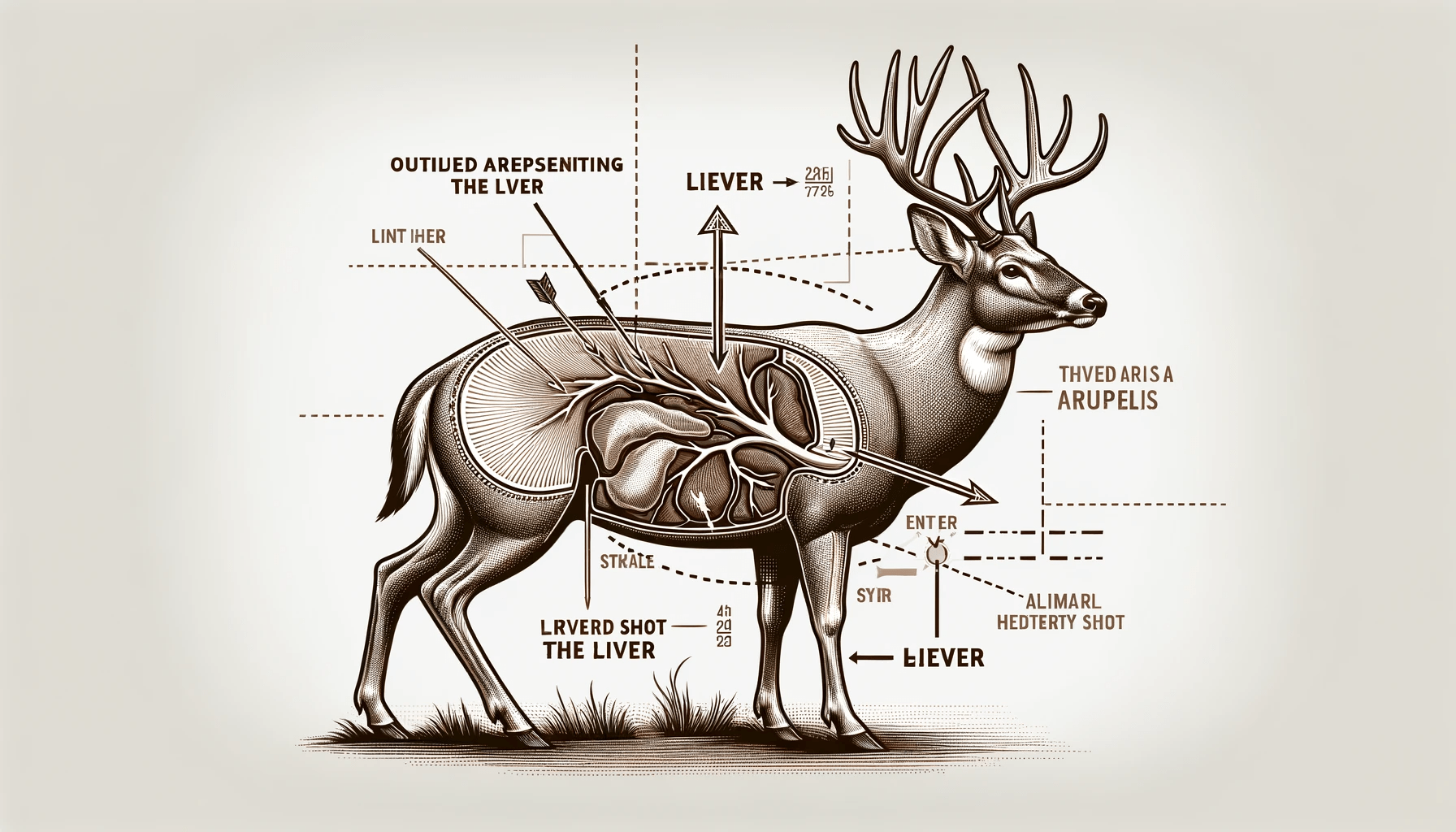
After a suspected liver shot on a deer, slow down. Mark where the deer stood, mark the last place you saw it, listen carefully, and avoid pushing the animal too soon. Recovery timing depends on shot angle, sign, weather, property boundaries, and local rules, so treat every uncertain hit with patience and get experienced help when needed.
Table of contents
Quick Recovery Plan
If you think the hit was liver or back-half, do not climb down and rush the trail. Watch and listen from the stand or shooting position. Use a map pin or landmark for the shot location. Note the deer direction, body reaction, and last sound. Then decide whether to wait, call for help, or follow sign based on what you actually know.
Mark the shot location first
Pick a tree, rock, stump, trail bend, or map pin where the deer stood at impact. This gives you a starting point that is not based on memory alone. Many recovery mistakes begin because the hunter starts searching from the wrong place.
Mark the last sighting
Also mark where you last saw the deer. If the blood trail gets thin, those two points can show the likely line of travel. Do this before walking around and disturbing sign.
Do not turn uncertainty into speed
Uncertain hits need more patience, not more movement. If you are unsure about the shot, assume the recovery may take time and keep the area quiet.
Signs of a Possible Liver Hit
No single clue proves a liver hit every time, but a few signs can point that direction. Use them together: hit location, deer reaction, blood color, arrow or bolt condition, and how the deer leaves.
Shot location and angle
A liver hit is often behind the lungs and forward of the guts, but angle changes everything. A quartering shot can make the entry point misleading. Think about where the projectile entered and where it likely exited, not only where it touched the hair.
Blood and arrow clues
Dark red blood can suggest liver, while green or foul-smelling material may suggest gut involvement. Bright frothy blood can suggest lung. These clues are useful, but they are not perfect. Weather, dirt, leaves, and low light can make sign harder to read.
Deer reaction
A liver-hit deer may run, slow down, hunch, or bed sooner than a clean miss, but reactions vary. Do not rely on one body movement. Keep watching until you lose sight, and listen for direction and distance.
What to Do in the First Minutes
The first few minutes after the shot are for observation, not searching. Stay quiet and gather information. If you move too soon, you may push the deer and make recovery harder.
Stay in place
Remain where you are unless safety or property rules require otherwise. Watch the route the deer took, listen for crashing or stopping, and replay the shot angle while details are fresh.
Write notes or record a voice memo
Note the time, shot distance, angle, deer reaction, last sighting, and weather. A short note can help you think clearly later, especially if another hunter or tracking dog handler helps.
Check your own safety
If it is getting dark, cold, icy, or stormy, plan the recovery with safety in mind. A headlamp, backup light, phone, map, and another person can make the search safer.
How Long to Wait
There is no honest one-size-fits-all wait time for every liver-shot deer. Shot placement, angle, weapon, weather, terrain, and the deer’s reaction all matter. Many experienced hunters wait longer for uncertain liver or gut-area hits than for a clear double-lung hit.
When to wait longer
Wait longer when the hit looked far back, sign is dark or uncertain, you heard the deer stop nearby, or the deer may have bedded close. Pushing too soon can move the deer from a recoverable bed into thicker cover or onto another property.
When to get help
If you are unsure, call an experienced hunter, game warden where appropriate, or a legal tracking dog handler if your state allows it. Some states have specific rules for tracking dogs, weapons during recovery, and nighttime tracking.
Weather matters
Warm temperatures, rain, snow, predators, and property boundaries can affect the decision. Balance patience with meat care, safety, and legal recovery options. This is one reason a local, experienced helper can be valuable.
Tracking Method
Once it is time to track, move slowly. The goal is to preserve sign and follow evidence, not to cover ground quickly.
Start at impact
Go to the marked shot location and look for hair, blood, tracks, disturbed leaves, and the arrow or bolt if applicable. Do not walk all over the area. One person should inspect while others stay back.
Mark each sign
Use small pieces of tape where legal, tissue, map pins, or natural markers to mark blood. A line of markers helps show direction and makes it easier to return to the last confirmed sign.
Move from sign to sign
Do not jump ahead because you think you know where the deer went. Follow confirmed sign. If blood becomes sparse, slow down and search in small circles from the last mark.
When the Trail Gets Weak
A weak trail does not mean the deer is lost. It means the search needs structure. Random walking spreads scent, destroys sign, and wastes time.
Return to last blood
When the trail disappears, go back to the last confirmed sign. Look for tracks, turned leaves, disturbed grass, broken brush, and the easiest travel route. Deer often follow cover, terrain, or water, but do not assume without evidence.
Use a careful grid
If sign truly ends, build a slow grid from the last confirmed point. Keep searchers spaced, communicate clearly, and avoid trampling likely sign. Mark searched areas on a map if possible.
Consider a legal tracking dog
Where legal, a trained tracking dog can be a strong option for uncertain hits. Check state rules first. Some areas require a leash, handler license, notification, or restrictions on weapons during tracking.
Rules, Permission, and Ethics
Recovery is part of ethical hunting. The International Hunter Education Association shares hunter safety resources through IHEA-USA. For deer-specific education, the National Deer Association publishes practical deer hunting and recovery information at deerassociation.com.
Know your state rules
Rules can cover tagging, evidence of sex, tracking dogs, crossing property lines, night recovery, weapons during tracking, and reporting requirements. Check your state wildlife agency before the season so you are not learning rules during a stressful recovery.
Get permission before crossing private land
If the deer crosses onto private land, follow your state rules and get landowner permission where required. Do not assume a blood trail gives you automatic access. Make the call early and keep the conversation respectful.
Keep fair-chase judgment
The Boone and Crockett Club’s fair chase statement is a useful reminder that respect for the animal and the land continues after the shot.
Common Mistakes
Most liver-shot recovery problems come from rushing, guessing, or failing to protect sign.
Tracking too soon
The biggest mistake is pushing a deer that may have bedded nearby. If the hit is uncertain or looks back, slow down and get help before taking up the trail.
Searching without markers
Markers show the line of travel and help you restart when sign fades. Without them, it is easy to drift away from the real trail.
Turning a trail into a crowd
Too many people can destroy sign. Keep the group small and organized. Let one person lead while others stay behind or help with lights and marking.
Field Checklist
Use this checklist to keep the recovery calm and organized.
Before leaving the stand
- Mark the shot location.
- Mark the last place you saw the deer.
- Write down shot time and angle.
- Listen and watch before moving.
Before tracking
- Decide whether the sign suggests a longer wait.
- Check weather and daylight.
- Confirm property boundaries.
- Call for help if the hit is uncertain.
During recovery
- Start at impact.
- Mark each sign.
- Return to last blood when the trail weakens.
- Follow state rules for dogs, land access, and tagging.
Related Guides
For better shot decisions before the recovery starts, read our guide to an unexpected buck encounter. New hunters should review the first-time hunting guide. For access and boundary planning, see the public-land deer hunting guide.
FAQ
How do I know if I liver-shot a deer?
Look at the full set of clues: shot angle, hit location, deer reaction, blood color, odor, arrow or bolt condition, and direction of travel. No single clue proves it every time.
Should I track a liver-shot deer right away?
Usually, an uncertain liver or back-half hit calls for patience. Do not rush the trail. Watch, listen, mark details, and get experienced help when you are unsure.
What color is liver-shot blood?
Liver blood is often described as dark red, but field conditions can make blood hard to read. Use blood color with other evidence instead of relying on it alone.
Can I use a dog to track a deer?
It depends on your state and local rules. Some states allow trained tracking dogs with restrictions, while others have different requirements. Check current rules before the season.
What if the deer crosses onto private land?
Follow your state rules and get landowner permission where required before crossing. Keep the last confirmed sign marked while you arrange access.