Pig Hunting with Dogs: Legal Checks, Safety, and Dog Welfare
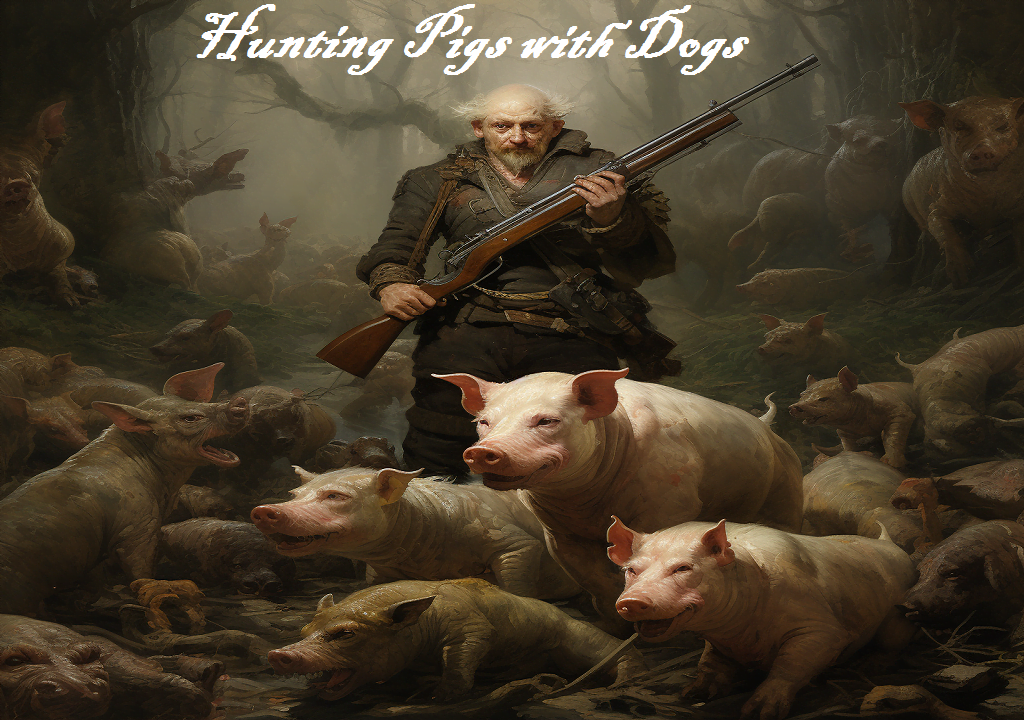
Pig hunting with dogs is a high-risk activity that should start with legal checks, land permission, dog welfare, and safety planning. Wild pigs can injure dogs and people, and rules for hunting, dog use, night activity, public land, transport, and nuisance control vary by state and property.
This guide explains the main safety and responsibility issues around hunting pigs with dogs. It is not a tactics manual, and it is not legal permission to release dogs, pursue pigs, or enter private land.
Table of Contents
Quick Answer
Before hunting pigs with dogs, confirm the current law for the exact state, county, land type, and method. Get written land permission, understand dog-use rules, plan for injured dogs, avoid public conflict, and do not run dogs where roads, livestock, heat, water, or property boundaries cannot be managed safely.
The biggest mistake is treating pig hunting with dogs as a simple outdoor adventure. It can involve sharp tusks, aggressive animals, exhausted dogs, disease exposure, property damage, and legal consequences if done carelessly.
Legal and Land-Access Checks
Wild pig rules vary widely. Some states treat feral swine as invasive or nuisance animals, some regulate methods closely, and some have different rules for public land, private land, night hunting, dogs, trapping, transport, and carcass handling.
Do not rely on old advice or a social-media comment. Check the current state wildlife agency, agriculture agency, and property rules before any hunt. If dogs may cross property boundaries, do not hunt that location without a realistic containment and recovery plan.
The USDA Animal and Plant Health Inspection Service explains that feral swine create agricultural, environmental, and disease concerns. That broader context does not replace local hunting law, but it explains why pig management is handled carefully.
Dog and Handler Risks
Wild pigs can cut, bite, charge, or injure dogs and people. Thick brush, mud, heat, water, and poor visibility can make recovery and emergency care harder. Handlers should think through veterinary access before the hunt, not after something goes wrong.
Dogs can also become lost, overheated, dehydrated, cut, or struck by vehicles. If you cannot recover a dog quickly from the property, road edge, or cover, the setup is not safe enough.
Dog Welfare and Field Readiness
A dog should be conditioned, identifiable, healthy, and handled by someone who understands the risks. Do not run unfit, injured, overheated, very young, elderly, or poorly controlled dogs.
The American Veterinary Medical Association gives practical advice on hunting with your dog safely. For pig hunting, that care-first thinking is especially important because contact risk can be higher than in many bird-dog situations.
After field work, check each dog for cuts, punctures, swelling, limping, heat stress, eye injury, dehydration, and abnormal behavior. Small punctures can be easy to miss in heavy coats, so a careful post-hunt check matters.
Disease, Meat, and Biosecurity Concerns
Feral swine can carry diseases and parasites that affect livestock, wildlife, dogs, and people. Handling carcasses, blood, fluids, ticks, and contaminated gear requires care. Follow state and federal guidance for carcass handling, testing where recommended, disposal, and meat safety.
The CDC provides general guidance on staying healthy around animals, and state agencies may have specific feral swine disease guidance. Wash hands, clean gear, protect cuts, and keep dogs and equipment away from livestock areas until cleaned.
Property, Livestock, and Public Safety
Dog-based pig hunting can create conflicts if dogs cross fences, move toward livestock, enter neighboring land, or run near roads and homes. Written permission, clear boundaries, and communication with landowners are basic requirements.
Do not run dogs near livestock, public roads, homes, parks, trails, or areas where non-hunters may be present unless the risk is controlled and the activity is legal. Hunter-Ed’s guidance on responsible and ethical hunters is a useful baseline for field conduct.
Pre-Hunt Responsibility Checklist
- Confirm current state, county, public-land, private-land, and dog-use rules.
- Get written landowner permission and know all property boundaries.
- Plan dog recovery before release, including roads, fences, water, and thick cover.
- Confirm every dog is healthy, conditioned, identifiable, and suited to the conditions.
- Carry water, first-aid supplies, communication, and veterinary contact information.
- Understand disease, carcass handling, cleaning, and disposal guidance.
- Avoid livestock, public roads, homes, parks, and other high-conflict areas.
- Stop if heat, dog condition, public safety, land boundaries, or visibility becomes unsafe.
FAQ
Is pig hunting with dogs legal?
It depends on the state, land type, method, season, and local rules. Check current wildlife and agriculture agency guidance before using dogs for any pig hunt.
Is pig hunting dangerous for dogs?
Yes. Wild pigs can injure dogs, and dogs can also face heat, dehydration, cuts, vehicle risk, and disease exposure. Dog welfare planning is not optional.
What should I check before running dogs on pigs?
Check legality, land permission, property boundaries, livestock nearby, roads, dog fitness, water, heat risk, veterinary access, and recovery plans before any dogs are released.
Can feral pigs spread disease?
Yes. Feral swine can carry diseases and parasites. Follow official guidance for handling, cleaning, carcass disposal, and meat safety.
Should beginners hunt pigs with dogs?
Beginners should not attempt it without experienced, responsible help and current legal guidance. The risks to dogs, people, livestock, and property are too high for guesswork.