Modern Bow Technology Innovations: What Actually Matters
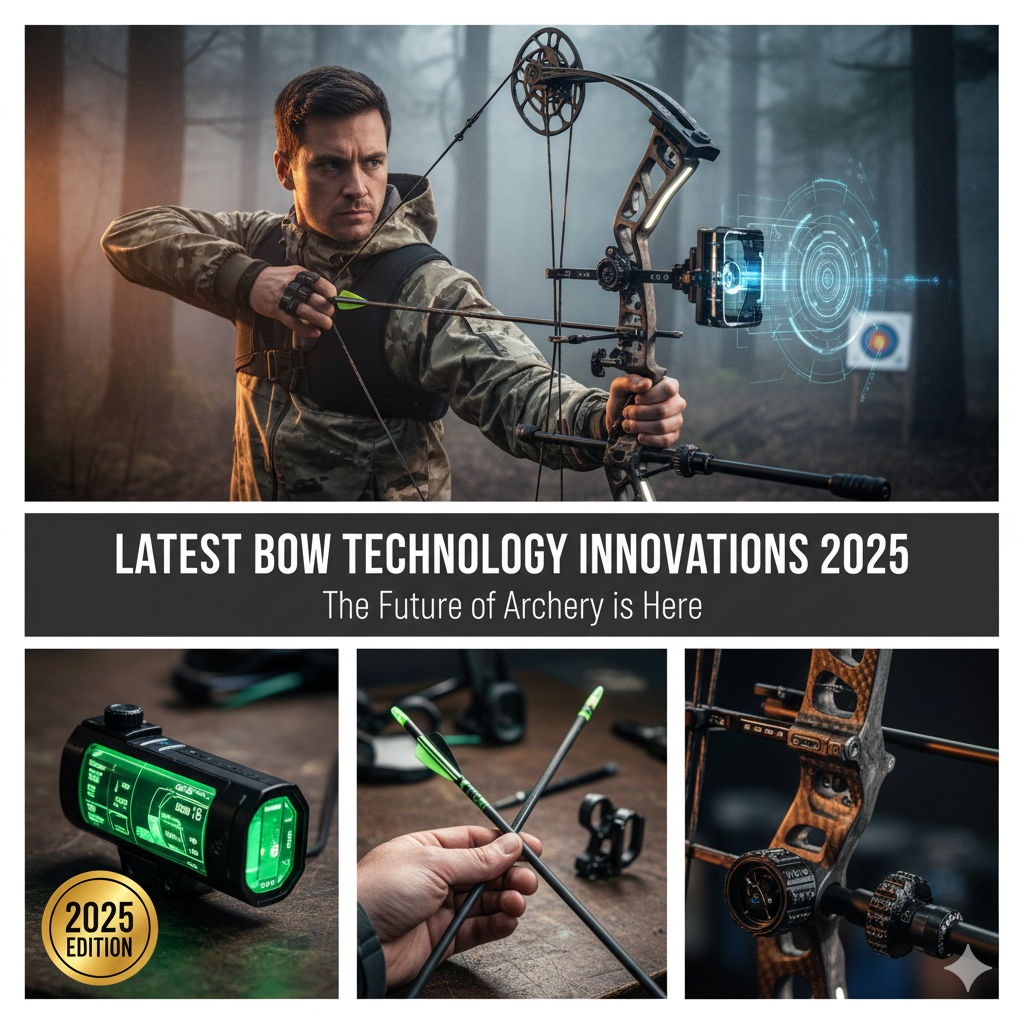
Modern bow technology is useful only when it helps the archer shoot more consistently, tune more easily, or carry the bow more comfortably. The most important innovations are not flashy buzzwords; they are practical improvements in cam adjustment, riser stability, vibration control, grip design, accessory mounting, and setup repeatability.
This guide explains what those upgrades mean in plain language. It is not a ranking of specific bow models and it does not claim personal field use. Use it as a buyer and setup framework before you compare compound bows, target bows, hunting bows, or upgrades at a local pro shop.
Table of Contents
Quick Answer
The best bow technology upgrades are the ones that make the bow easier to fit and repeat. Adjustable cams help match draw length and draw feel. Better risers and limb systems help stability. Improved damping can reduce vibration after the shot. Integrated mounts can clean up accessories. None of those features replace proper draw length, safe setup, broadhead tuning, or coaching.
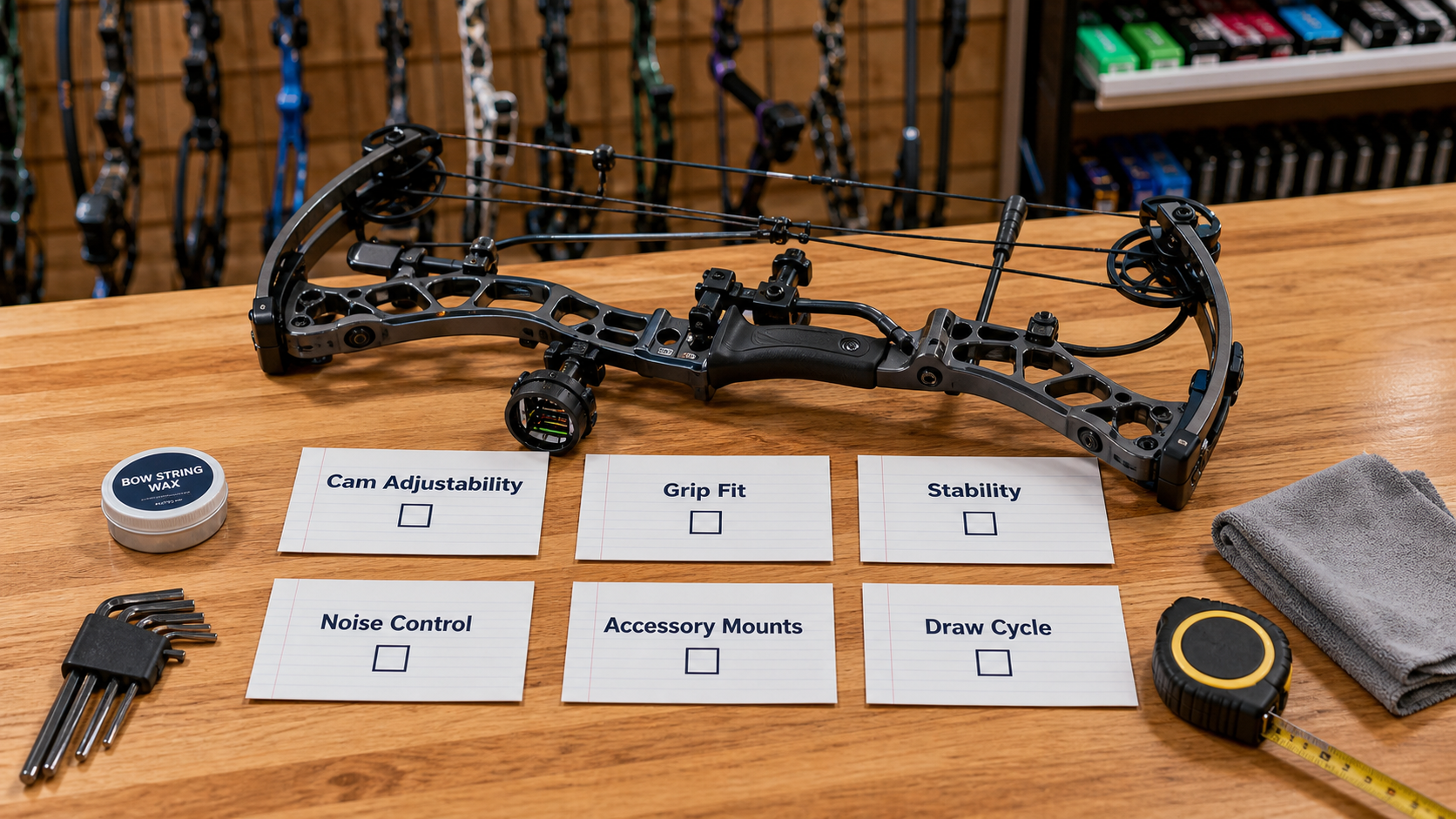
Bow Technology Checklist
Before you get excited about a new model, check whether the technology solves a real problem for your style of shooting. A hunting bow used from a blind, a compact saddle setup, and a target bow for long practice sessions may all prioritize different features.
- Fit: Can the bow be set to your correct draw length and draw weight without awkward compromises?
- Control: Does the grip encourage a repeatable hand position?
- Stability: Does the riser length, weight balance, and stabilizer setup help you hold steady?
- Tuning: Can a pro shop tune it cleanly for your arrow, rest, and broadhead setup?
- Noise and vibration: Does the bow settle after the shot without harsh feedback?
- Accessory fit: Do the sight, rest, quiver, stabilizer, and sling options mount cleanly?
Cam Adjustability and Draw Modules
Cam systems are one of the biggest areas where modern compound bows have improved. Many bows now offer module-based draw-length adjustment, let-off options, or tuning features that help a shop fit the bow without swapping major parts. That matters because a bow that fits badly will be harder to shoot well, even if it is fast on paper.
What It Means for Buyers
Look for adjustability that helps a real archer, not adjustability for its own sake. A youth archer, new adult archer, or hunter changing layers through the season may benefit from flexible settings. A serious target archer may care more about a very specific draw cycle, wall feel, and repeatable tune.
Where to Be Careful
Do not change cam timing, draw stops, modules, or cable settings casually. Use the bow manual and a qualified shop when the adjustment affects tune or safety. The Archery Trade Association is a useful industry starting point for understanding the archery market, but your specific bow manual is still the authority for your exact model.
Riser and Limb Design
Risers and limbs influence balance, stiffness, weight, and shot feel. Longer risers often feel steadier, while compact hunting bows may trade some stability for easier handling in tight spaces. Carbon and aluminum designs can both work well; the right choice depends on balance, budget, climate, and how the bow feels at full draw.
Stability Over Hype
A stable bow helps the sight picture settle and makes repeatable form easier. That does not mean heavier is always better. It means the bow should balance well with your sight, rest, quiver, stabilizer, and arrow setup. If the bow wants to tip or torque in your hand, the latest material label will not fix the fit problem by itself.
Vibration and Noise Control
Modern bows often use limb pockets, riser geometry, string stops, dampers, and accessories to reduce vibration and post-shot noise. For hunters, a quieter and smoother bow can be helpful. For target shooters, lower vibration can make the bow feel calmer through a long practice session.
Be careful with absolute claims. A bow is not quiet or smooth just because the marketing says it is. String condition, arrow weight, tune, accessories, and shooter form all affect sound and feel. Compare bows in person when possible, and ask a shop to set them close to your real draw length and draw weight before judging.
Grip Fit and Ergonomics
Grip design is easy to overlook, but it can affect left-right misses and long-term consistency. A good grip helps your bow hand settle into the same pressure point without forcing the wrist into a strange angle. Some modern bows use slimmer grips, modular grip panels, or warmer-feeling materials to improve repeatability and comfort.
Try Before You Decide
If possible, shoot or at least draw the bow before buying. A bow that looks perfect in a spec table can feel wrong in your hand. Your local archery shop can also check whether your draw length, peep height, and anchor position match the bow setup.
Accessory Integration
Accessory integration has become a practical upgrade area. Cleaner sight mounts, rest mounting systems, quiver options, stabilizer setups, and cable-management designs can reduce clutter and make the bow easier to carry. The best version of this technology improves function without locking you into accessories that do not fit your hunting or target setup.
Competition and organized archery may also have equipment limits. If you shoot events, check the current World Archery rulebook, your local club rules, or your league rules before adding electronic aids, unusual sight systems, or specialty accessories.
Speed vs. Shootability
Speed sells bows, but shootability keeps arrows in the middle. A very aggressive bow may deliver more speed, but it can also feel less forgiving to draw, hold, or tune. Many archers are better served by a bow they can control cleanly than by chasing the fastest number on a spec sheet.
Hunting vs. Target Priorities
Hunters often balance compact size, quietness, durability, and broadhead tune. Target archers often value stability, repeatability, and a smooth hold. New archers should prioritize fit, coaching, and safe practice over maximum speed. Bowhunter education resources such as Bowhunter Ed can also help frame equipment choices around safety and responsible use.
Who Benefits Most
Technology helps most when it solves a specific problem. A growing archer benefits from adjustability. A tree-stand hunter may benefit from compact handling and quiet setup. A western hunter may care about weight and stability. A target shooter may prioritize hold, grip, and repeatable tune. Start with the use case, then decide which technology is worth paying for.
The safest upgrade path is simple: get the bow fitted, confirm the draw weight is manageable, tune arrows correctly, practice with the exact setup you will use, and make changes one at a time. If a feature makes setup easier and shooting more repeatable, it is useful. If it only makes the spec sheet look exciting, treat it as optional.
FAQ
What bow technology matters most?
Fit and adjustability matter most for most archers. A bow with the right draw length, manageable draw weight, stable grip, and clean tune will usually help more than a bow chosen only for speed.
Are newer bows always better?
No. Newer bows may offer better adjustability or integration, but an older bow that fits well and is safely maintained can still shoot very well. Condition, setup, and tune matter.
Should beginners buy the fastest bow?
Usually not. Beginners should choose a bow they can draw smoothly, hold safely, and practice with consistently. Speed matters less than fit, control, and repeatable form.
Do integrated accessory mounts really matter?
They can, especially if they reduce clutter and improve balance. But they are not automatically better for every archer. Confirm your preferred sight, rest, quiver, and stabilizer options work with the bow before buying.
Final Takeaway
The best bow technology is practical, not just new. Choose features that improve fit, tune, stability, comfort, and safe repeatability. A bow that matches your body and use case will beat a flashier bow that fights your form.