How to Hunt Duck: Rules, Scouting, Decoys, Safety, and Retrieval
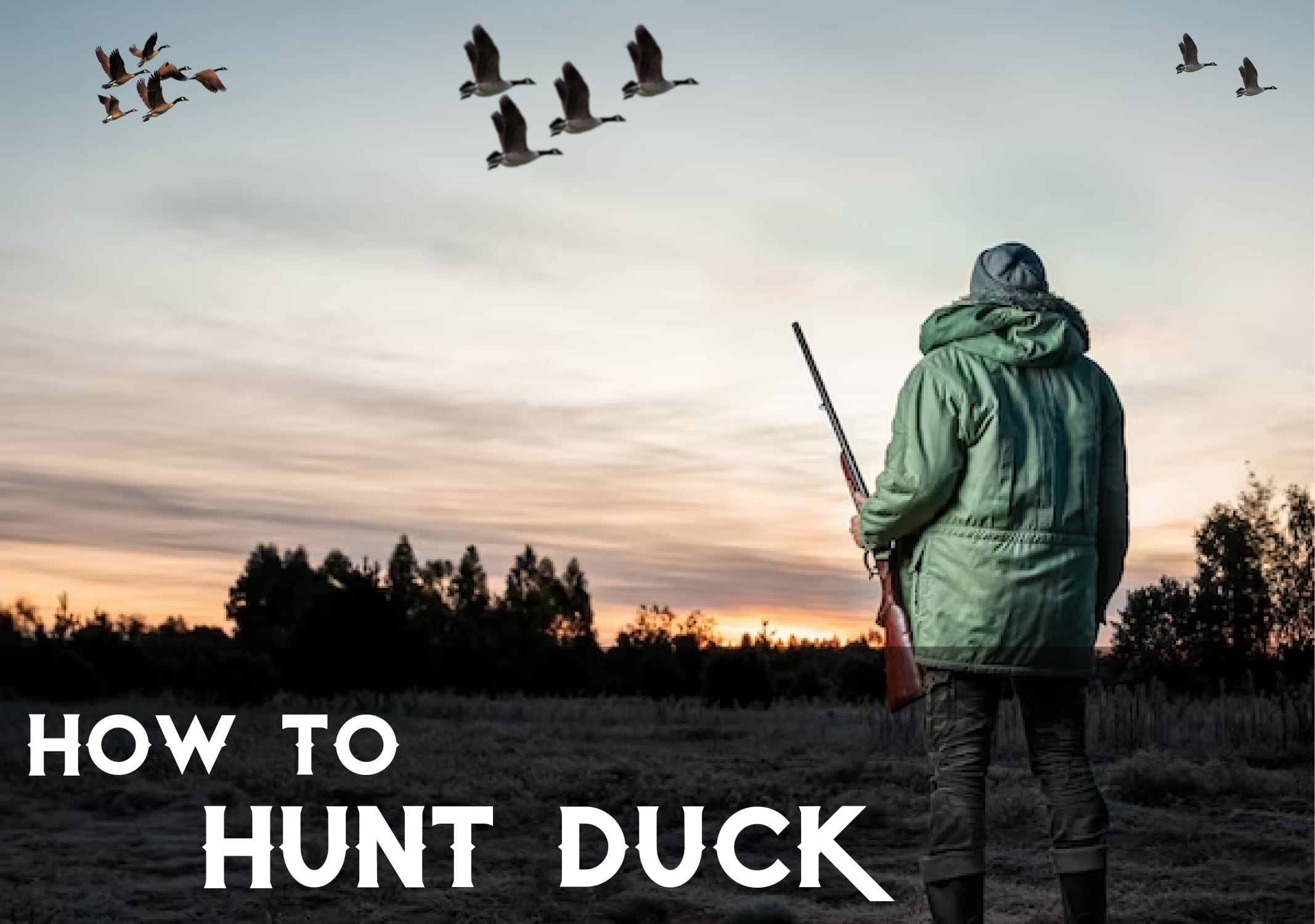
To hunt ducks safely, start with the rules before the blind. Confirm your state season, federal requirements, stamps, limits, legal shooting hours, non-toxic shot rules, public-land access, species ID, and retrieval plan. Duck hunting can be beginner-friendly, but water, weather, firearms, boats, dogs, and fast bird identification all add risk if you rush.
Table of Contents
Quick Answer
The basic duck hunting process is simple: get legal, scout where ducks want to be, hide well, use a small realistic decoy spread, call less than you think, shoot only safe identified birds inside range, and recover every bird you can. Beginners should hunt with an experienced waterfowler when possible.
- First legal step: check state waterfowl rules and federal stamp requirements.
- First field skill: identify ducks before shooting, including sex/species where limits differ.
- First safety rule: know your safe shooting lanes and keep muzzles controlled in the blind.
- Biggest weather risk: cold water, wind, and wet clothing can turn a short hunt serious.
Check Duck Hunting Rules First
Duck hunting is regulated closely because migratory birds cross state and national boundaries. Rules can include state licenses, HIP registration, duck stamps, non-toxic shot, season dates, daily bag limits, possession limits, shooting hours, species restrictions, and public-land access rules. Check the current regulation source for the state and area you plan to hunt.
Beginner Rule Checklist
- State hunting license and waterfowl permits.
- Federal duck stamp requirements if applicable.
- HIP or migratory-bird registration.
- Season dates, zones, and legal shooting hours.
- Daily bag limits by species and sex.
- Non-toxic shot and shotgun capacity rules.
- Public-land check-in, blind draw, or access rules.
Learn Duck Species ID
Do not shoot at a duck you cannot identify well enough for the rulebook. Species and sex can matter because some limits are stricter than others. Beginners should study common local ducks before the season and practice identifying birds in flight by size, shape, wing pattern, sound, and group behavior.
Identification Habits
- Learn the most common puddle ducks and divers in your state.
- Study silhouettes in low light, not only perfect color photos.
- Know which species have special limits.
- Pass shots when birds are too far, too fast, or poorly lit to identify.
- Confirm the bird before calling the shot in a group blind.
Scout Water, Food, and Flight Lines
Good duck hunting usually starts before opening morning. Watch where birds feed, rest, and travel. Pay attention to wind direction, water depth, food sources, pressure from other hunters, and where birds want to land without being forced.
What to Scout
- Morning and evening flight lines.
- Shallow feeding areas and protected water.
- Wind direction and likely landing approach.
- Boat ramps, walk-in access, and safe exits after dark.
- Other hunters’ pressure so you do not crowd a spot.
Beginner Duck Hunting Gear
You do not need to buy everything at once. Prioritize legal, safe, weather-appropriate gear. Your shotgun must be legal for waterfowl, your ammunition must meet current non-toxic shot rules, and your clothing should keep you dry and warm enough for the conditions.
Basic Gear List
- Legal shotgun and approved non-toxic waterfowl loads.
- License, stamps, permits, and ID.
- Waders or waterproof boots suited to the water depth and temperature.
- Eye and ear protection.
- Headlamp, spare batteries, first-aid kit, and emergency layer.
- Decoys, calls, game strap, and a way to retrieve birds safely.
- Life jacket if boating or hunting deep/cold water.
For a broader packing framework, see our duck hunting gear checklist.
Decoys, Calls, and Concealment
Beginners often over-call and under-hide. Ducks notice movement, shiny faces, square blind edges, and unnatural decoy spacing. A small clean setup in the right place can beat a huge spread in the wrong place.
Simple First Spread
- Set decoys where ducks can land into the wind.
- Leave a landing pocket inside safe shooting range.
- Match the number and species to what birds are actually using.
- Keep movement low once birds are working.
- Use calling to finish interested birds, not to force every flock.
Shooting and Blind Safety
Duck blinds can be tight, wet, dark, and crowded. Decide shooting lanes before birds arrive. Keep muzzles pointed in a safe direction, fingers off triggers until ready, and the action open or firearm controlled when people, dogs, or boats are moving.
Safe Blind Habits
- Agree on who calls the shot.
- Know each hunter’s safe arc of fire.
- Never swing through another hunter, dog, boat, road, building, or unknown background.
- Unload before climbing, crossing water, entering a boat, or handling decoys.
- Stop shooting when birds are out of ethical range.
Cold Water, Boats, and Weather
Waterfowl hunting often happens in cold, wet, windy conditions. Cold water can be dangerous quickly, especially with heavy clothing or waders. Check the forecast, wind, water level, ice, and exit route before launching a boat or walking into water.
Water Safety Checks
- Wear a life jacket when boating or hunting deeper water.
- Do not overload small boats with people, dogs, decoys, and gear.
- Keep dry clothes or emergency insulation available.
- Know how you will get out if wind rises or fog moves in.
- Turn back before weather removes your safety margin.
Retrieval and Wounded-Bird Responsibility
Ethical duck hunting includes recovering birds. Mark every fall, send a trained dog only when it is safe, and do not take risky shots over water or cover where you cannot retrieve the bird. If a bird is wounded, follow up safely and within the law.
Recovery Habits
- Watch the bird all the way down.
- Mark the fall by a tree, grass edge, decoy, or shoreline feature.
- Pause shooting if you need to recover a bird safely.
- Keep dogs away from thin ice, strong current, or unsafe boat traffic.
- Count birds carefully so you do not exceed limits.
If you plan to hunt with a retriever, read our guide on the qualities of a good hunting dog.
FAQ
What do beginners need to duck hunt?
Beginners need the correct licenses and stamps, current regulations, a legal shotgun and non-toxic shot, safe clothing for water and weather, basic decoys or access to a setup, and a safe retrieval plan.
Do you need a dog to hunt ducks?
No, but a trained retriever can help recover birds, especially in water or thick cover. If you do not have a dog, choose spots where you can retrieve birds safely yourself.
What is the best time to hunt ducks?
Many duck hunts focus on morning movement, but the best time depends on legal shooting hours, weather, pressure, feeding patterns, and local bird movement. Always follow the posted legal times.
What shot should you use for duck hunting?
Use legal non-toxic waterfowl ammunition that matches your shotgun, choke, expected range, and the birds you are hunting. Check current rules and pattern your shotgun before the season.
Is duck hunting dangerous?
It can be if hunters ignore firearms safety, cold water, weather, boats, waders, or poor visibility. A careful plan, legal gear, and conservative decisions reduce the risk.
Sources
- eRegulations – state hunting regulation portals for current waterfowl rules.
- Ducks Unlimited Hunting – duck hunting and waterfowl habitat education.
- NSSF Firearm Safety Rules – firearm handling and target-safety rules.
- National Weather Service Cold Water Safety – cold-water safety guidance.
- Ready.gov Emergency Kit – emergency supplies planning.