How to Hunt Deer With a Bow: Safe Beginner Basics
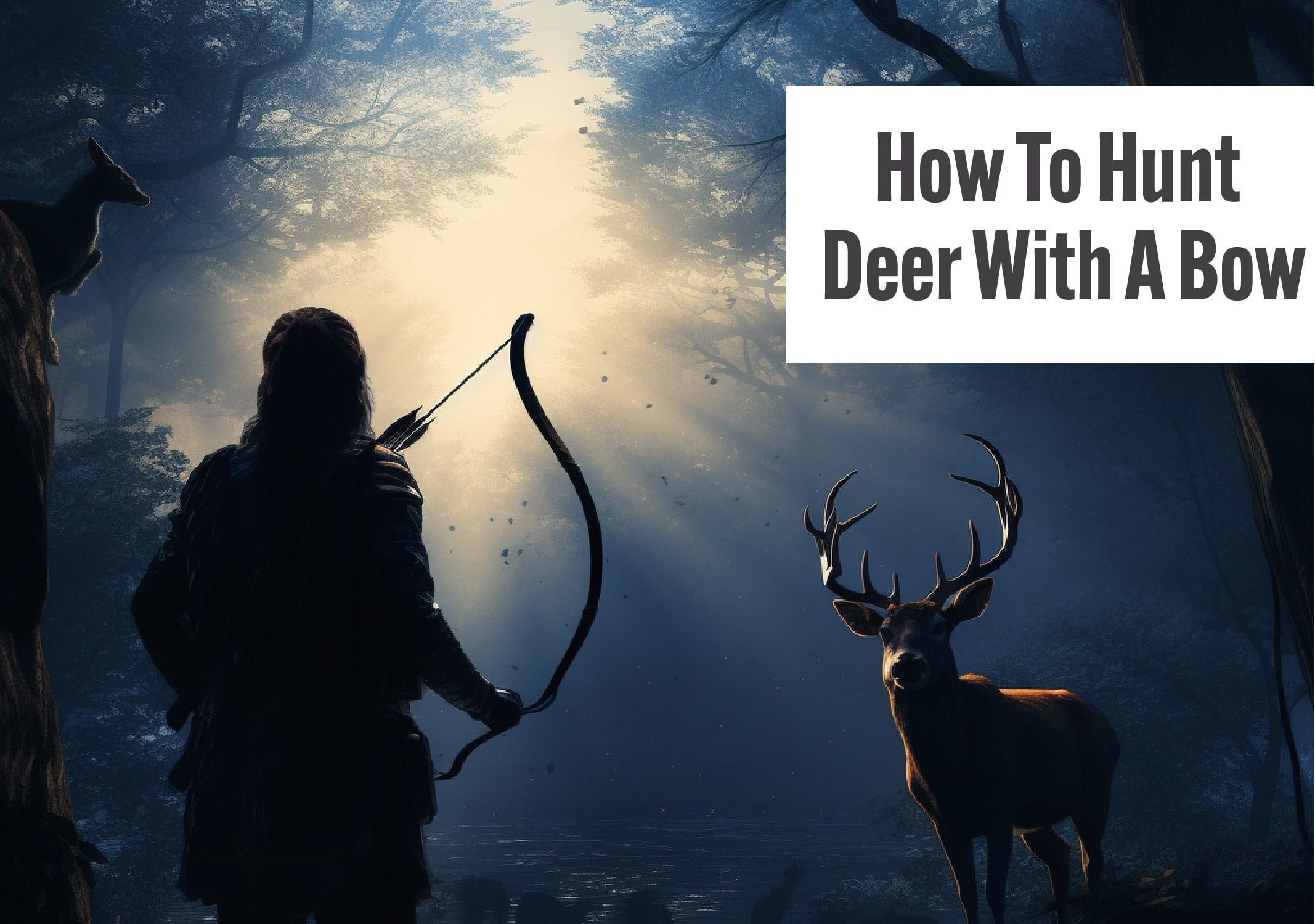
Learning how to hunt deer with a bow starts with safety, legal rules, realistic shot distance, and ethical recovery. Bowhunting is close-range hunting, so a beginner needs more than a bow. You need hunter education, land access, equipment that fits, steady practice, deer identification, and the discipline to pass poor shots.
This guide is a safe beginner overview. It does not replace state hunting regulations, bowhunter education, landowner permission, manufacturer instructions, or hands-on coaching.
Table of Contents
- Quick Answer
- Legal and Safety First
- Bow Setup and Practice Limits
- Practice Broadheads Before the Season
- Basic Deer Behavior and Wind
- Stand, Blind, and Ground Safety
- Shot Choice and Recovery
- Beginner Bowhunting Checklist
- FAQ
- How close should deer be for bowhunting?
- Do I need bowhunter education?
- What bow is best for deer hunting?
- Should I hunt deer from a tree stand or ground blind?
- What should I do after shooting a deer with a bow?
- Final Takeaway
- Beginner Bowhunt Safety Checklist
Quick Answer
To hunt deer with a bow responsibly, complete hunter or bowhunter education, confirm current laws and tags, use a bow that fits your strength and draw length, practice from realistic positions, set a short ethical shot limit, hunt with the wind in mind, identify the deer clearly, and follow a careful recovery plan after the shot.
Legal and Safety First
Bowhunting rules vary by state, season, county, weapon type, public land unit, tag, deer sex, and age requirements. Read the current regulation booklet from your wildlife agency before planning a hunt. Do not rely on old advice or what another hunter remembers from last year.
The Bowhunter-Ed safety material is a useful starting point for bow-specific safety, including safe equipment handling and responsible field behavior.
- License, tag, and season confirmed.
- Legal bow, draw weight, arrow, and broadhead rules checked.
- Private or public land access confirmed.
- Hunter-orange or visibility rules checked where they apply.
- Recovery, reporting, and meat-care rules reviewed.
Bow Setup and Practice Limits
A hunting bow should fit the archer. Draw length, draw weight, arrow spine, arrow weight, broadhead choice, peep height, rest setup, and sight setup all affect control. A local pro shop or qualified coach can help a beginner avoid unsafe guessing.
Set your field shot limit before the hunt. That limit should be the distance where you can place arrows consistently from realistic positions, not the farthest distance you hit once at the range.
Practice Broadheads Before the Season
Broadheads may not fly exactly like field points. Test your hunting arrows safely before the season, follow target and backstop rules, and get tuning help if your broadheads group differently.
Basic Deer Behavior and Wind
Bowhunters usually need deer close, calm, and unaware. Wind direction, entry route, noise, cover, and timing matter because deer can detect movement and scent quickly. Choose stand or blind locations that let you enter quietly and keep the wind from carrying scent toward likely deer movement.
State wildlife agencies often publish deer biology and hunting education resources. The National Park Service white-tailed deer overview is a useful general biology reference for readers learning about deer behavior and habitat.
Stand, Blind, and Ground Safety
Many deer bowhunters use tree stands or ground blinds. Tree-stand falls are a serious risk, so use a full-body harness, follow the stand manufacturer’s instructions, inspect equipment, and use a haul line for the bow and gear. Never climb with a bow in your hand.
Ground blinds also require safety planning. Know where other hunters, roads, homes, livestock, and property lines are. Keep arrows covered until needed and maintain a safe shooting lane.
Shot Choice and Recovery
Shot choice is the heart of ethical bowhunting. Wait for a clear, close, controlled shot angle and pass when brush, distance, deer movement, low light, or nerves make the shot uncertain. A passed shot is often the right decision.
After the shot, watch where the deer goes, mark the last location, and follow a careful recovery plan. The Hunter-Ed responsible hunter guidance reinforces that respect for game includes recovery effort and responsible field behavior.
Beginner Bowhunting Checklist
- Hunter education or bowhunter education completed where required.
- Current deer season, tag, and weapon rules confirmed.
- Bow tuned and fitted to the archer.
- Arrows and broadheads matched to the setup and legal for the hunt.
- Practice completed from realistic positions and distances.
- Tree-stand harness or blind safety plan ready.
- Wind, entry route, and exit route planned.
- Recovery and meat-care plan ready before the hunt.
FAQ
How close should deer be for bowhunting?
Only shoot within the distance where you can place arrows consistently from realistic field positions. Many beginners should keep shots short until their form, confidence, and recovery skills improve.
Do I need bowhunter education?
Some states or hunt types require it, and it is useful even where it is not required. Check your current state rules before hunting.
What bow is best for deer hunting?
The best bow is one that is legal, fits your draw length and strength, shoots accurately with your arrows, and can be handled safely in field conditions. Fit matters more than brand hype.
Should I hunt deer from a tree stand or ground blind?
Both can work. Tree stands can help with visibility and scent, but they require fall-protection discipline. Ground blinds can be safer for some beginners but need careful placement and shooting-lane planning.
What should I do after shooting a deer with a bow?
Watch carefully, mark where the deer stood and where it went, follow a recovery plan, and obey local reporting and tagging rules. If you are unsure, ask an experienced mentor before the season so you know what to do.
Final Takeaway
Bowhunting deer is a close-range responsibility. Learn the rules, fit the bow, practice honestly, hunt with safety in mind, pass uncertain shots, and take recovery seriously.
Beginner Bowhunt Safety Checklist
Bowhunting success starts with restraint. A beginner should know local rules, practice inside a realistic effective range, and be willing to pass shots that are rushed, blocked, or beyond ability. Ethical hunting is not just about equipment; it is about judgment.
- Review current state regulations before the season.
- Practice with the same setup you will carry into the field.
- Know your personal effective range and stay inside it.
- Use a safe, broadhead-rated target for broadhead practice.
- Plan recovery, weather, and communication before the hunt.
For regulation and safety learning, use Hunter-ed and your state wildlife agency as primary references.