Gun Safety Course Benefits: Why Formal Training Matters
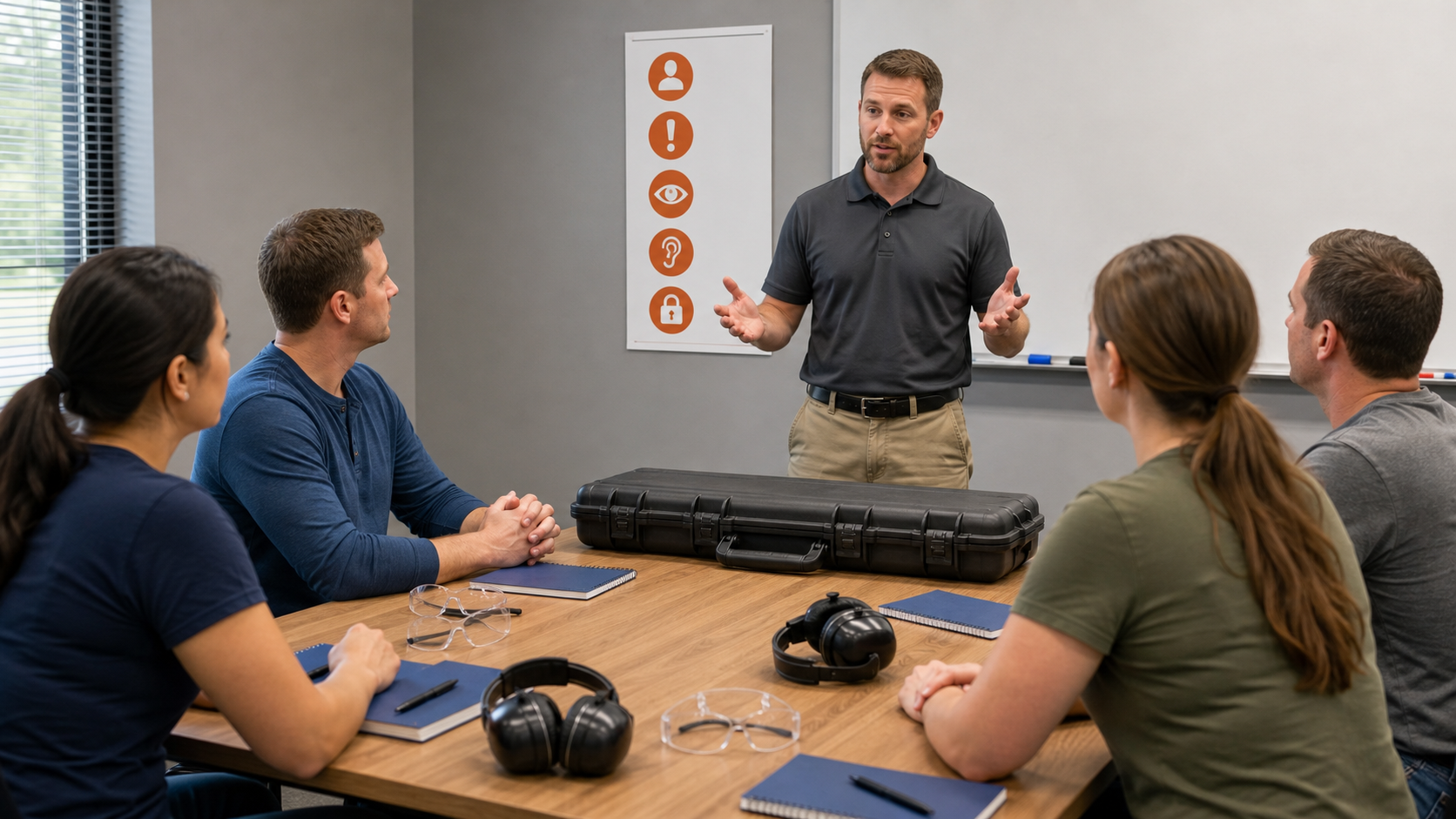
A gun safety course teaches the fundamentals of safe handling, secure storage, and responsible firearm ownership in a structured, supervised setting. The main benefit is simple: it helps you build correct habits from the start, under the eye of a qualified instructor, rather than learning by trial and error. This guide explains what these courses cover and why formal training is worth it for new and experienced owners alike.
Table of contents
Why Take a Gun Safety Course
A gun safety course gives you correct fundamentals in a controlled environment. Reading about safety is useful, but a course lets you practice safe handling with immediate feedback, which is how good habits actually form. The core rules taught by groups like the National Shooting Sports Foundation become easier to remember through guided repetition.
Formal training also builds confidence. When you understand how a firearm works, how to keep it pointed in a safe direction, and how to store it responsibly, you handle it more calmly and make fewer mistakes. That benefit applies whether you hunt, shoot at a range, or simply want safer household habits around firearms.
What a Course Covers
Most introductory gun safety courses cover the same essential ground, taught in a logical order so the fundamentals build on one another.
- The core firearm safety rules and the mindset behind them
- How common firearm types work and their basic parts
- Safe loading, unloading, and clearing concepts
- Proper grip, stance, and muzzle awareness
- Safe transport and secure storage
- Range etiquette and the use of eye and ear protection
- Basic maintenance and the value of reading the owner’s manual
The specific content varies by course and instructor, but the throughline should be consistent: handle firearms safely, store them responsibly, and know your equipment before trying to move faster or learn advanced skills.
Hunter Education Courses
Hunter education is a specialized form of safety training focused on responsible, lawful hunting. Many states require a hunter education certificate before issuing a hunting license, and the course may cover firearm safety, wildlife conservation, ethics, outdoor safety, and regulations.
Resources such as Hunter-Ed and the International Hunter Education Association explain how these programs work and help students find recognized courses. Because requirements differ by state and can change, confirm the exact requirement with your state wildlife agency before relying on a course for licensing.
Secure Storage and the Home
Secure storage is one of the most valuable lessons a safety course reinforces, especially in homes with children, visitors, or anyone who should not have access. Storing firearms locked and preventing unauthorized access is a widely recommended practice for responsible ownership.
Programs like Project ChildSafe focus specifically on responsible storage and provide practical resources for owners. A good safety course connects storage habits to everyday life so they become routine rather than an afterthought.
Who Should Take One
A gun safety course benefits more people than just first-time owners. New owners get a foundation, while experienced shooters often use courses to refresh habits, correct drift, or learn a new discipline safely.
New firearm owners
For someone handling a firearm for the first time, a course is the safest possible starting point. It replaces guesswork with guided, supervised practice and builds correct habits before bad ones can take hold.
Experienced owners and families
Experienced owners benefit from refreshers and from courses tailored to a new activity, such as moving from range shooting to hunting. Families also gain from learning consistent safety and storage rules that everyone in the household understands.
Finding a Certified Course
Look for courses taught by qualified instructors through recognized organizations, ranges, clubs, or your state wildlife agency. A credible course should clearly explain instructor qualifications, whether live fire is included, what gear is required, and what skill level the class is designed for.
- Avoid courses that skip basic rules and jump straight to speed or advanced drills.
- Ask whether eye and ear protection requirements are covered before range time.
- Confirm whether the course meets any legal or licensing requirement you need.
- Choose beginner-level classes if you are new, even if you feel comfortable around gear.
What to Do After the Course
A course is a starting point, not the finish line. After training, keep practicing slowly, review range rules before each session, and ask qualified help when something feels unfamiliar. Useful next steps include reviewing our shooting range safety rules, learning why eye and ear protection matters, and checking your gun storage safety habits.
Keep notes from the class and save any handouts or certificate information. If you later buy a different firearm type, switch shooting disciplines, or start hunting, take another course that matches the new activity.
Frequently Asked Questions
Do beginners need a gun safety course?
A beginner course is strongly recommended because it gives new shooters supervised instruction and a safer foundation. Whether a course is legally required depends on your location and purpose, so check current official rules.
Is a course worth it for experienced shooters?
Yes. Many experienced owners use courses to refresh habits, learn a new discipline safely, or bring family members into the same safety system. A periodic refresher can catch habits that have drifted over time.
What is the single most important thing a course teaches?
The core safety rules and a safety-first mindset are the foundation everything else builds on. Secure storage is a close companion lesson, especially in homes with children or visitors.
Can children take a gun safety course?
Some programs include youth education on safety awareness and what to do if a child finds a firearm, often emphasizing not touching it and telling an adult. Any youth firearm handling should be supervised and follow program and state guidelines.
Final Takeaway
A credible gun safety course is one of the most practical steps any firearm owner can take. It builds correct handling habits, reinforces secure storage, and supports responsible range or hunting activity. New owners gain a safe foundation and experienced owners gain a useful refresher. Treat safety training as an ongoing practice, not a one-time box to check.