Decoy Hunting: 8 Safety and Setup Checks Before You Hunt
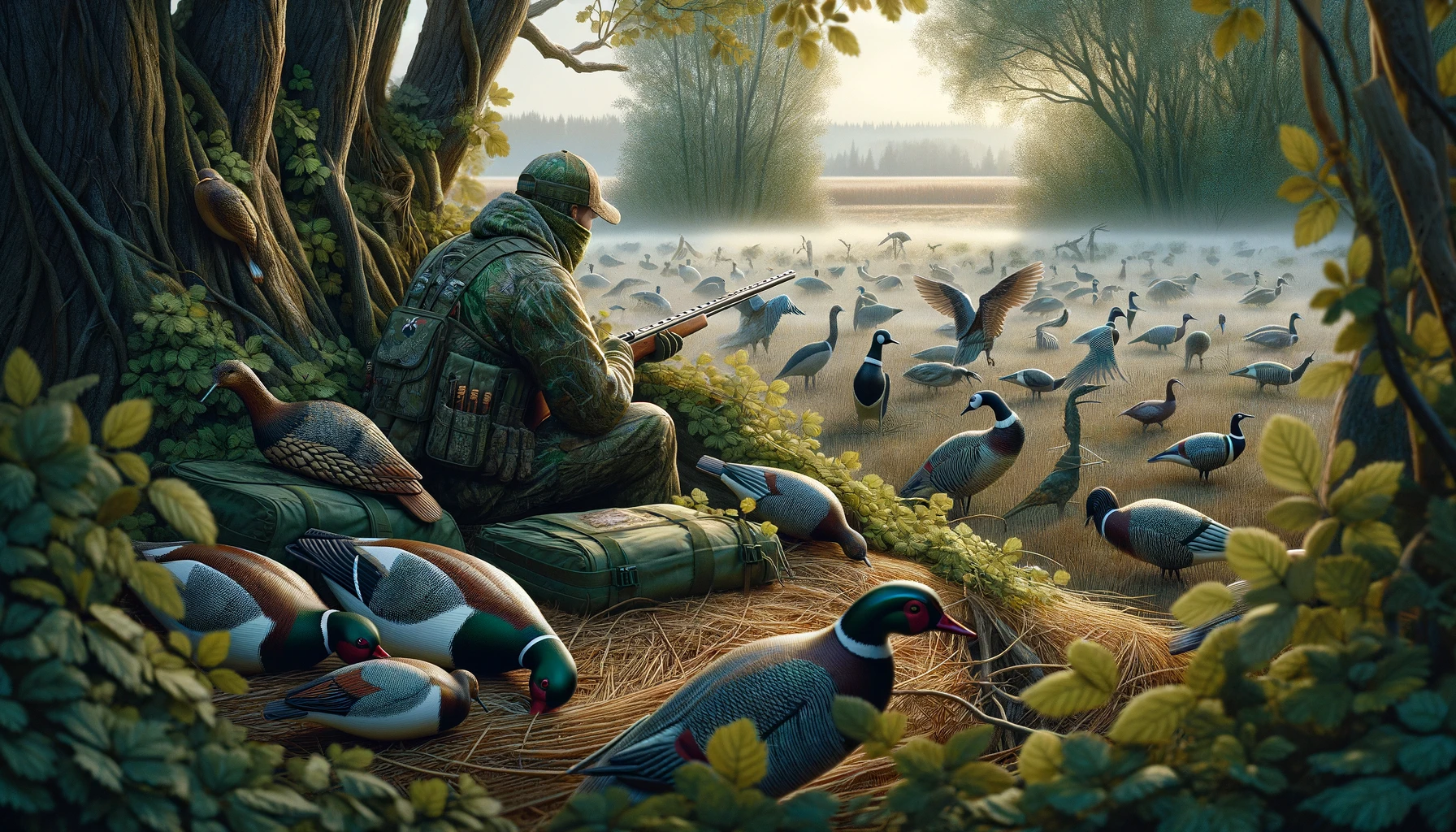
Decoy hunting works best when the setup matches the species, season, wind, shooting lane, and local rules. A decoy can help hold an animal’s attention or make a setup look natural, but it can also spook game, create unsafe shot angles, or violate rules if used carelessly.
This guide covers decoy hunting as a field-safety and setup guide, not a product roundup. It does not rank decoys or add affiliate links because product recommendations need verified current product data.
Table of contents
Decoy Hunting: Quick Answer
Use decoys when they support a clear, legal setup. The decoy should be visible from the direction game is likely to travel, placed with a safe shooting lane behind it, and matched to current animal behavior. If the decoy creates confusion or unsafe angles, skip it.
Decoys are not magic
Scouting, wind, concealment, shot discipline, and legal access still matter more than the decoy itself. A poor setup with a good decoy is still a poor setup.
Use fewer decoys when unsure
A simple, believable setup is easier to control than a crowded spread. Start small, then adjust after watching how animals respond.
Think about other hunters
Decoys can look real from a distance. On public land, make sure your setup does not invite unsafe attention from another hunter.
Rules and Safety First
Decoy rules can vary by state, species, season, public land, private land, and equipment type. Electronic movement, lights, calls, bait, and motorized decoys may be regulated differently.
Check current regulations
Start with your state wildlife agency and the property rules. The U.S. Fish and Wildlife Service hunting page is a useful federal starting point, but state rules usually decide the details.
Keep the muzzle or arrow path safe
Set the decoy so the likely shot angle has a safe backstop and does not point toward roads, buildings, livestock, parking areas, trails, or other hunters. Hunter-ed’s firearm safety rules are a useful reminder for keeping target identification and what-is-beyond-it checks at the center of every setup.
Use visibility when carrying decoys
Large deer or turkey decoys can be mistaken for game. Cover them with blaze orange or carry them in a bag where required or sensible.
Match Decoys to the Species
Different animals respond to different cues. A waterfowl spread, deer decoy, turkey setup, and predator decoy all need different thinking.
Know seasonal behavior
Breeding season, migration, feeding patterns, pressure, and weather change how animals respond. A setup that worked last month may be wrong today.
Avoid mixed signals
Do not combine decoy posture, calls, scent, or movement that tells different stories. A nervous-looking setup can push animals away.
Watch real animals
The best decoy lessons often come from watching live animals feed, travel, look around, and react to pressure.
Wind, Sun, and Shooting Lanes
Decoy placement should be built around wind first, then visibility, then the shot lane. This is especially true for deer, coyotes, and other animals that use scent heavily.
Plan the downwind side
Many animals try to check the wind before committing. Set up so a downwind approach does not expose you or create an unsafe shot angle.
Use sun and shade
Glare can make decoys look odd and make identification harder. Place yourself and the decoy so you can see clearly and avoid silhouetting your position.
Clear only what is legal
If trimming brush or moving vegetation is not allowed, do not alter the area. Choose a different setup instead.
Waterfowl Decoys
Waterfowl decoys usually work by making a landing or feeding area look safe and active. Wind, open landing space, and concealment matter.
Leave a landing pocket
A tight spread can make birds circle without committing. Leave space where ducks or geese can land into the wind.
Match the water and pressure
Big spreads may help in some open-water or field situations, while small natural groups can look better on pressured local water.
Know migratory bird rules
Waterfowl hunters should check current migratory bird regulations, non-toxic shot rules, season dates, bag limits, and any motorized decoy restrictions before hunting.
Deer and Big-Game Decoys
Deer decoys can work in some rut or open-field situations, but they also carry safety and scent risks.
Control scent and approach
Wear gloves when setting the decoy, keep human scent away where possible, and plan how deer may circle downwind.
Use safe public-land judgment
A deer decoy on public land can be risky if another hunter can see it from a distance. Think about visibility, backdrop, and where other hunters may enter.
Use posture carefully
A buck, doe, feeding, alert, or bedded posture can change the message. Match the decoy to the season and local deer behavior.
Predator Decoys
Predator decoys are usually used with calling, movement, or visual focus. They can help draw attention away from the hunter, but they should not create unsafe lines of fire.
Keep the decoy away from your body line
Place the decoy so incoming predators focus away from you while the shot direction remains safe.
Use movement lightly
Too much movement can look unnatural. Subtle movement can be enough in some setups.
Watch livestock and pets
Predator hunting often happens near farms or rural homes. Confirm the target and what is beyond it before any shot.
Calling With Decoys
Calling and decoys should tell the same story. Loud or constant calling can hurt a setup if the decoy does not match the sound.
Start softer than you think
Many beginners overcall. Start with lower volume and fewer calls, then adjust based on response.
Stop when animals commit
If game is moving toward the setup, too much extra calling can draw attention to you instead of the decoy.
Practice before the hunt
Practice calls at home or in a legal training setting. In the field, poor timing can do more harm than silence.
Field Notes and Legal Notes
Decoy hunting improves faster when you keep simple notes. After each hunt, write down the species, wind, decoy type, distance from the stand or blind, calling pattern, animal response, and anything that seemed unsafe or unnatural.
Track what changed
If you change decoy posture, spread size, call volume, and stand location at the same time, you will not know what mattered. Change one or two things, then compare animal response across similar conditions.
Save rule references
When a rule mentions electronic decoys, bait, motion, waterfowl, turkey, predator hunting, or public land, save the official regulation link or page. Rules can be specific, and old advice may no longer apply.
Respect nearby hunters
If another hunter is already set up nearby, avoid placing decoys where they affect that person’s shot lanes or pull birds or animals through their position. On shared land, courtesy reduces conflict and safety risk.
Common Mistakes
Most decoy problems come from unrealistic setups, poor wind planning, unsafe placement, or overusing calls.
Putting the decoy too close
A decoy placed too close may bring animal attention directly to your position. Give the setup enough room for a safe shot angle.
Ignoring pressure
Pressured animals may avoid obvious setups. Smaller spreads, better concealment, and quieter calling can help.
Forgetting the exit
After the hunt, retrieve decoys safely and legally. Do not walk out carrying an uncovered animal-shaped decoy where another hunter may see it as game.
Decoy Setup Checklist
Use this checklist before placing a decoy.
- Current species, season, land, and electronic-decoy rules checked.
- Safe shot lane and backstop confirmed.
- Wind direction and downwind approach considered.
- Decoy visible from likely travel direction.
- Human scent and setup disturbance reduced where practical.
- Calls, posture, movement, and species match the same scenario.
- Other hunters, roads, trails, and livestock considered.
- Retrieval plan safe, visible, and legal.
Related Guides
For more field planning, read our hunting license requirements guide, outdoor adventure hunting guide, and shooting range safety rules.
FAQ
Do decoys make hunting easier?
They can help in the right setup, but they do not replace scouting, wind planning, concealment, shot discipline, or legal knowledge.
Are electronic decoys legal?
It depends on the state, species, season, and land type. Check current wildlife regulations before using motorized, lighted, or electronic movement decoys.
How many decoys should I use?
Use enough to make the setup believable for the species and location. Small, natural setups often work better than crowded spreads when animals are pressured.
Can deer decoys be dangerous on public land?
They can be if another hunter mistakes the decoy for a real animal. Use extra caution, choose safe placement, and carry decoys covered when moving.
Should I use calls with decoys?
Calls can help when they match the decoy and the season. Overcalling or using the wrong sound can make the setup less believable.