Black Powder Deer Hunting: Safety, Range, and Recovery Planning
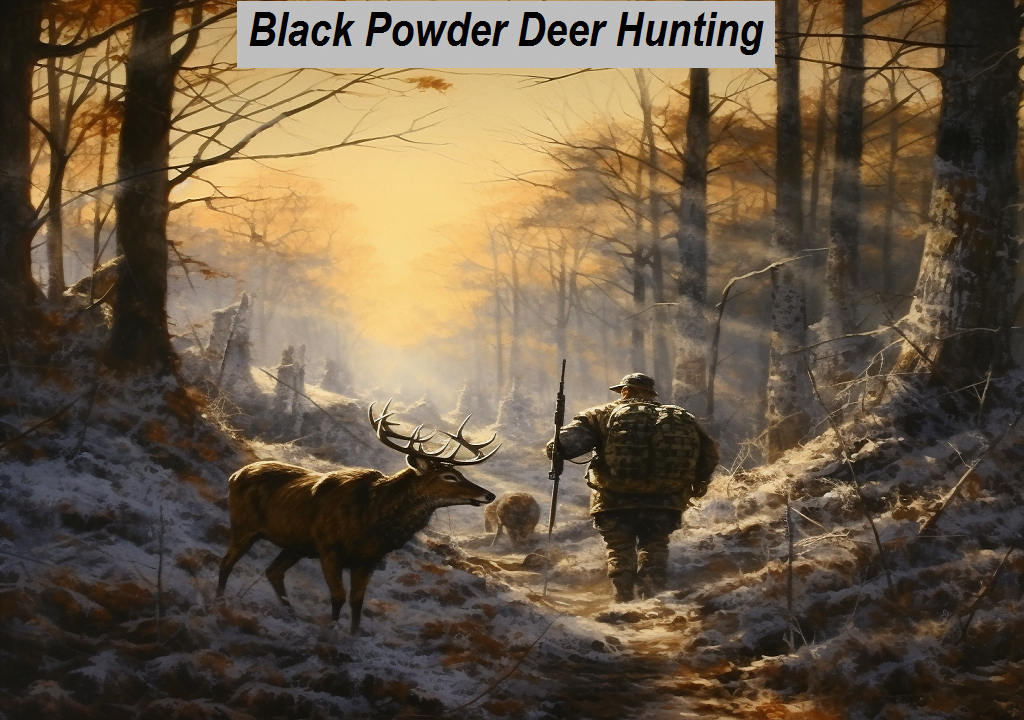
Black powder deer hunting is slower, closer, and less forgiving than many modern rifle hunts. The safest way to prepare is to confirm the muzzleloader rules for your deer season, practice with the exact legal setup, protect the firearm from weather, and take only shots you can place and recover cleanly.
This guide is written for hunters planning a deer hunt with a muzzleloader or black-powder firearm. It covers planning, safety, and ethical field decisions, but it does not provide loading recipes, powder charges, or instructions that replace the firearm maker’s manual.
Table of contents
Quick Answer: Is Black Powder Deer Hunting Worth It?
Black powder deer hunting can be worth it if you want a slower, closer-range deer hunt and you are willing to practice more carefully. It is not a shortcut to an easy deer season. It rewards hunters who verify the rules, understand their firearm, manage weather, and stay honest about distance and shot angle.
- Best for: Hunters who enjoy close-range deer hunting, careful setup, and one-shot discipline.
- Not ideal for: Hunters who have not practiced with a muzzleloader or who want quick follow-up shots.
- Main risk: Rushing a shot beyond the range where the hunter and firearm are proven.
- Main benefit: A focused hunt where wind, cover, patience, and accuracy matter more than long-range reach.
Why Black Powder Deer Hunting Feels Different
Black powder deer hunting feels different because the pace is slower and the margin for error is smaller. A muzzleloader usually means one careful first shot, a different smoke signature, more weather sensitivity, and a stronger need to know exactly where the deer stood when the shot broke.
That slower pace is why many hunters like it. The hunt often feels more like a close-range woodsmanship test than a distance contest. But the same pace also means poor preparation can cost a hunter the opportunity or, worse, create an unsafe or unrecovered shot.
- Range is usually shorter: Many hunters set a conservative field limit based on repeated practice, not the firearm’s advertised capability.
- Weather matters: Rain, snow, and condensation can affect reliability and cleanup needs.
- Reloading is slow: Ethical planning should assume the first shot is the only shot.
- Smoke can hide the hit: A partner, landmark, or disciplined follow-through helps with recovery.
Legal Season Checks for Deer Hunters
Deer muzzleloader rules vary widely. Some hunts allow modern inline muzzleloaders and scopes. Others limit ignition systems, optics, bullets, sabots, powder types, or season dates. The only safe answer is the current regulation for your exact state, unit, species, and tag.
Use official regulations as the final source. A resource such as Hunter-Ed’s reminder to know and obey hunting laws explains the responsibility, but the current wildlife agency rulebook decides what is legal for your deer hunt.
- Season type: Confirm whether the hunt is muzzleloader-only, any-legal-weapon, primitive weapon, or a special deer season.
- Legal equipment: Check ignition, sights, projectile type, minimum caliber, and any lead-free or area-specific requirements.
- Tag rules: Confirm antlered/antlerless limits, unit boundaries, reporting, check-in, and harvest deadlines.
- Transport rules: Know how your area defines a loaded muzzleloader in a vehicle, on an ATV, or while crossing roads.
- Land access: Confirm public-land rules, private permission, stand placement, and boundary lines before opening day.
Setup and Practice Before Opening Day
A muzzleloader deer setup should be proven before the season starts. That means the legal projectile, legal sight, firearm manual, cleaning routine, and range practice all line up with the way you will actually hunt.
Follow the firearm manufacturer’s manual for approved components and maintenance. Do not mix random online load advice with a firearm you have not verified. If you are unsure, ask the manufacturer, a qualified instructor, or a competent gunsmith before using the firearm.
- Confirm zero: Check point of impact with the same legal setup you will carry.
- Practice cold-bore shots: The first shot matters most in a deer hunt.
- Use field positions: Practice sitting, kneeling, supported, and from the rest you expect to use.
- Track your limit: Set a distance cap where you can repeat clean hits under realistic conditions.
- Clean consistently: Know how the firearm behaves before and after cleaning, according to the manual.
For general firearm handling, the NSSF firearm safety rules are the baseline. Muzzle control, trigger discipline, and knowing the target and what is beyond it still matter on every deer hunt.
Field Conditions That Matter More With Black Powder
Field conditions matter more with black powder because moisture, cold, and long sits can affect both the hunter and the firearm. A good plan keeps the firearm protected, the hunter patient, and the shot decision conservative.
- Rain and snow: Protect the firearm and components according to the manual without blocking the bore unsafely.
- Cold weather: Watch for condensation when moving between warm buildings, vehicles, and cold air.
- Thick cover: Smoke can make it harder to see where a deer ran, so pick landmarks before the shot.
- Low light: If legal shooting light, target ID, or the backdrop is unclear, wait.
- Long sits: Keep the muzzle direction safe and maintain awareness of partners, roads, and property lines.
Shot Selection and Recovery
Good black-powder deer hunting is built on patient shot selection. The best opportunity is a calm deer, clear vital-zone angle, known distance, safe backdrop, and a hunter who has practiced that shot from a similar position.
Ethical deer hunting also connects to conservation. The U.S. Fish and Wildlife Service Wildlife and Sport Fish Restoration Program explains how hunting and fishing funds support wildlife management, which makes lawful harvest and clean recovery part of the bigger picture.
- Pass risky angles: Hard quartering, brush-covered, moving, or too-far shots are not worth it.
- Know the distance: Muzzleloader drop and field accuracy must be understood before the hunt.
- Follow through: Smoke can hide the deer’s reaction, so stay on the sight picture and listen.
- Mark the spot: Pick the exact place where the deer stood and the last direction of travel.
- Track responsibly: Follow hunter education guidance, local law, and safe recovery practices.
After the Shot
After the shot, slow down. Keep the muzzle safe, note the deer’s reaction, mark landmarks, and follow your recovery plan. If you are hunting with partners, communicate clearly before anyone moves.
- Make the firearm safe: Follow the manual and local law for the firearm’s condition after firing.
- Watch and listen: Note direction, sound, tail position, and last movement without rushing into the area.
- Use legal tracking: Know rules for property boundaries, dogs, lights, and after-hours recovery before the hunt.
- Tag correctly: Complete the tag and reporting steps required by the agency.
- Cool meat promptly: Field dress and handle the deer with clean tools and a plan for transport.
If your state offers hunter education refreshers or muzzleloader-specific instruction, use them. A local class or range session can solve problems that a general article cannot see.
FAQ
Is black powder good for deer hunting?
Yes, black powder can be effective for deer hunting when the setup is legal, the hunter has practiced, and shots are kept inside a proven ethical range. It is not a substitute for preparation.
How far should you shoot a deer with a muzzleloader?
The right distance is your proven field limit with that exact legal setup. Many hunters choose a shorter limit than the firearm’s maximum capability because real hunting positions are harder than bench shooting.
Can you use a scope for black-powder deer hunting?
Sometimes. Scope legality depends on the state, unit, season, and type of muzzleloader hunt. Check the current regulation before hunting with any optic.
Can you hunt with black powder in rain?
You can hunt in wet weather if it is legal and safe, but moisture management becomes more important. Follow the firearm manual, protect components properly, and do not take chances with a firearm you suspect may be unsafe or unreliable.
Is black-powder deer hunting good for beginners?
It can be, but only with instruction, range practice, and careful rule-checking. A beginner should not start with a muzzleloader hunt without learning safe handling and the exact firearm first.
Bottom Line
Black powder deer hunting is at its best when it is careful and honest. Verify the season rules, follow the firearm manual, practice from real field positions, set a conservative range limit, and pass any shot that does not give you a clean recovery path.