5 Best Muck Boots for Hunting
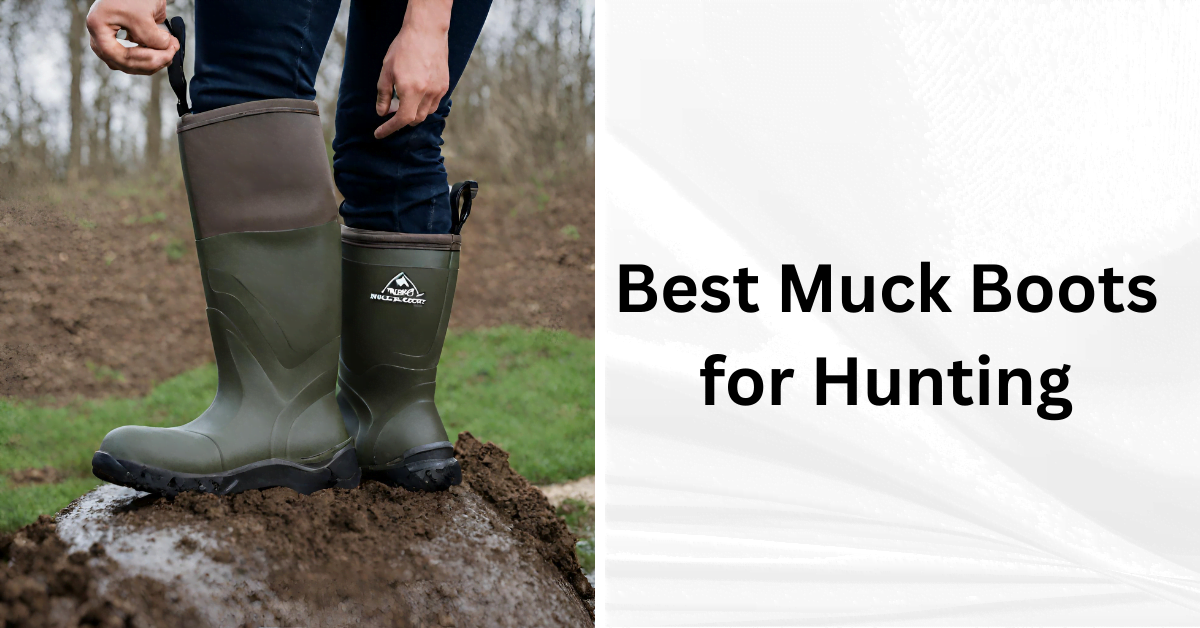
The best muck boots for hunting keep your feet dry, warm enough for the season, and stable in mud, wet grass, snow, and uneven ground. For most hunters, the right pair depends on three things: insulation level, boot height, and how much walking you do before you sit.
This guide keeps the lineup focused on Muck Boot styles already used for hunting, field work, wet terrain, and cold weather. Before buying, check the current size chart, calf fit, insulation details, and return policy, because rubber boots can feel very different once you add thick socks.
Table of contents
Quick Picks
| Pick | Best for | Why it fits | Check price |
|---|---|---|---|
| Muck Wetland Rubber Premium Field Boots | Wet ground and marsh edges | Tall rubber field-boot style for mud, water, and wet vegetation. | Amazon |
| Muck Fieldblazer Classic Boot | General hunting use | Classic rubber boot profile for hunters who want field protection without overcomplication. | Amazon |
| Muck Woody Max Insulated Hunting Boot | Cold deer sits | Insulated hunting-oriented boot for colder conditions. | Amazon |
| Muck Excursion Pro Mid Snow Boot | Shorter winter boot feel | Mid-height snow-boot style for hunters who do not want a full-height rubber boot. | Amazon |
| Muck Arctic Pro Snow Boot | Very cold weather | Heavy cold-weather style for late-season sits and snow. | Amazon |
Comparison Table
| Boot | Style | Best use | Watch before buying |
|---|---|---|---|
| Muck Wetland | Tall rubber field boot | Mud, wet grass, marsh, creek edges | Can feel warm or bulky for long hikes |
| Muck Fieldblazer | Classic field boot | General hunting and chore use | Check traction pattern for your terrain |
| Muck Woody Max | Insulated hunting boot | Cold deer stands and late fall | May be too warm for active mild-weather hunts |
| Muck Excursion Pro Mid | Mid-height snow boot | Shorter winter boot feel | Less lower-leg coverage than tall boots |
| Muck Arctic Pro | Heavy winter boot | Snow and very cold sits | Bulk and warmth can be too much for early season |
Why Muck Boots Matter for Hunting
Wet feet can ruin a hunt quickly. Rubber hunting boots help when you cross muddy access trails, wet fields, shallow water, frosty grass, and swampy ground. They also clean up easily and reduce the worry of leather soaking through on a long morning.
The tradeoff is breathability and fit. Rubber boots can trap heat and moisture if you walk far, and heavy insulation can be uncomfortable when the weather warms. Cold exposure is still a real field concern, so match insulation to the hunt and review general cold-weather safety guidance from the National Weather Service when planning late-season outings.
Best Muck Boots for Hunting Reviews
1. Muck Wetland Rubber Premium Men’s Field Boots
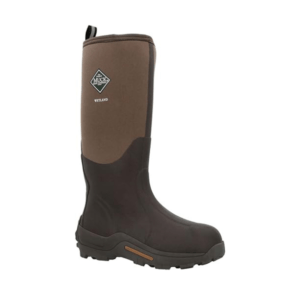
The Muck Wetland is the most natural fit if your hunting area includes mud, marsh grass, wet field edges, shallow crossings, or long damp walks to a stand. The tall rubber style gives more lower-leg coverage than a mid boot and is easier to rinse off after a messy morning.
This boot makes the most sense for hunters who prioritize dryness and coverage over lightweight speed. If you walk miles in warm weather, a tall rubber boot can feel hot. But if your access route is wet every season, the Wetland style is exactly the kind of practical boot that earns its spot.
Best for: wet ground, muddy access, marsh edges, and field hunters.
- Pros: tall coverage, easy cleanup, strong wet-terrain lane.
- Cons: can feel warm or bulky for long active hunts.
- Skip if: you mostly hunt dry hills or need a light hiking boot feel.
2. Muck Boot Men’s Fieldblazer Classic Industrial Boot
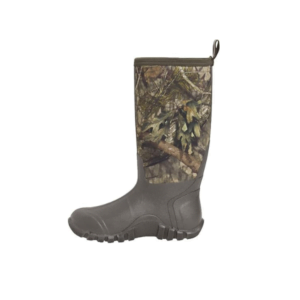
The Muck Fieldblazer Classic is a straightforward field boot for hunters who want a rubber boot they can use around camp, blinds, food plots, and wet trails. It sits in a practical middle lane: more protective than a low boot, less specialized than a heavy Arctic-style winter boot.
Choose this kind of boot if your hunts involve mixed chores and moderate walking. It is also useful for scouting days when you need to move through mud or wet grass without soaking socks. Check tread and fit against your terrain, because slick clay, steep banks, and snow all ask different things from a sole.
Best for: general hunting, wet chores, and mixed field use.
- Pros: versatile field-boot profile, simple rubber protection, easy to clean.
- Cons: not the most specialized cold-weather option.
- Skip if: you need maximum insulation or a mountain-style hiking boot.
3. Muck Boot Woody Max Rubber Insulated Men’s Hunting Boot
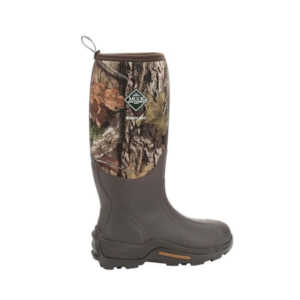
The Muck Woody Max is the hunting-oriented insulated pick in this group. It is the boot to consider when your sits are cold enough that a basic rubber boot leaves your toes numb. For deer stands, frosty mornings, and late-fall wet ground, that added warmth can matter more than shaving weight.
The important question is whether you sit or walk. Insulation is great when you are still, but it can feel hot if you cover long distance. If your hunt starts with a long hike and ends with a sit, bring moisture-managing socks and avoid overdressing your feet on the walk in.
Best for: cold deer sits and hunters who want insulated rubber boots.
- Pros: warmer hunting lane, rubber wet-ground protection, good late-fall fit.
- Cons: may be too warm for active mild-weather hunts.
- Skip if: you hunt mostly early season or walk long distances.
4. Muck Boot Men’s Excursion Pro Mid Snow Boot
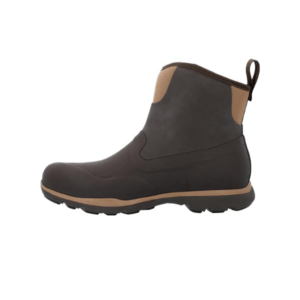
The Muck Excursion Pro Mid is for hunters who want winter-boot comfort without the feel of a full-height rubber boot. The mid-height design can be easier to wear around camp, in a blind, or on shorter cold-weather walks where you do not need knee-high wet-grass coverage.
This is a better fit for snow, cold ground, and short to moderate movement than for deep marshes or creek crossings. If your access trail includes tall wet grass or standing water, a higher rubber boot is safer. If you want a more compact winter boot, the Excursion Pro Mid makes sense.
Best for: hunters who want a shorter cold-weather boot.
- Pros: mid-height comfort, winter-use lane, less tall-boot bulk.
- Cons: less lower-leg protection than tall rubber boots.
- Skip if: you regularly cross water, mud, or wet vegetation above ankle height.
5. Muck Boot Men’s Arctic Pro Snow Boot
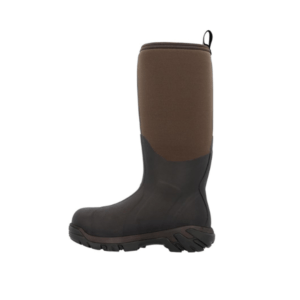
The Muck Arctic Pro is the heavy cold-weather option. It belongs on the shortlist if your hunts involve snow, freezing ground, and long periods of sitting still. In that situation, warmth and weather protection matter more than a light, fast boot.
The downside is that a very warm boot can be too much for early season or long active hikes. If you overheat and sweat on the walk in, your feet can feel colder later. Buy this kind of boot for true cold-weather use, not as a single boot for every month of the season.
Best for: late-season hunters who need a warm rubber/snow boot.
- Pros: cold-weather focus, snow and wet-ground lane, strong late-season comfort potential.
- Cons: warm and bulky for mild weather.
- Skip if: you want one light boot for scouting, early season, and long hikes.
Muck Boot Buying Guide
Do not buy muck boots only by brand or warmth rating. Start with terrain. Swamps, wet pastures, creek bottoms, and flooded field edges favor tall rubber boots. Snowy late-season stands favor warmer boots. Dry ridges and long mountain walks often call for a different hunting boot style entirely.
Next, think about movement. If you hike hard, too much insulation can make your socks damp before you even sit down. If you sit still for hours, a light boot can leave your toes cold. The right answer is the boot that matches the hardest part of your hunt.
- Boot height: tall boots protect better in wet grass and mud; mid boots feel easier to walk in.
- Insulation: choose warmer boots for still sits, lighter boots for active movement.
- Traction: check the sole pattern against mud, snow, leaves, and slick banks.
- Calf fit: make sure pants can tuck in or fit over the boot without binding.
- Socks: test with your real hunting socks before judging size.
Care and Fit Checks
Rinse mud after the hunt, dry the inside slowly, and avoid storing rubber boots near high heat. Heat can shorten boot life and make rubber materials age faster. If boots smell, dry them fully and rotate socks rather than sealing moisture inside.
Before hunting in a new pair, walk stairs, crouch, climb into a stand if safe, and test your usual socks. Heel slip, calf squeeze, or toe pressure will feel worse after several hours in the field.
FAQ
Are muck boots good for deer hunting?
Yes, they are useful for wet ground, mud, snow, and scent-conscious access routes. They are not always ideal for long dry hikes where a lighter boot may be more comfortable.
Should I buy insulated muck boots?
Buy insulated boots if you hunt cold sits or snow. Choose lighter boots if you walk a lot or hunt mild weather, because overheated feet can become damp and cold later.
How tall should hunting muck boots be?
Tall boots are better for wet grass, mud, and shallow water. Mid-height boots are easier to walk in but give less lower-leg coverage.
Can rubber boots be too warm?
Yes. Rubber and insulation can trap heat and moisture. For active hunts, a lighter boot with good socks may be more comfortable than a heavy cold-weather boot.
How should muck boots fit?
They should allow your hunting socks without crushing toes. A little heel movement is common in pull-on rubber boots, but excessive slop can cause rubbing.
Final Verdict
The Muck Wetland is the best all-around pick here for wet hunting ground. Choose the Fieldblazer for general field use, Woody Max for colder deer sits, Excursion Pro Mid for a shorter winter-boot feel, and Arctic Pro when snow and very cold conditions are the main problem.