Best Compound Bow Sights for Hunting: Pins, Sliders, and Setup
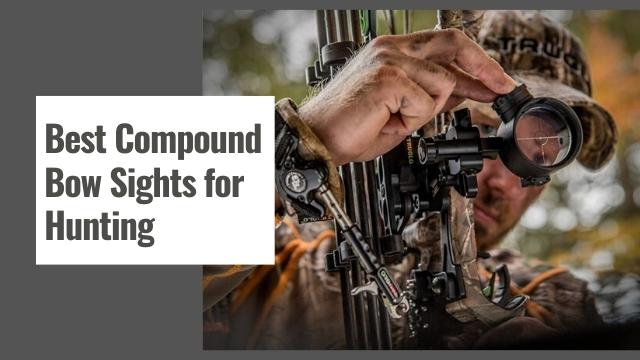
The best compound bow sight for hunting is the sight you can set, read, and trust under real field conditions. Pin count, adjustment style, durability, brightness, and sight-in repeatability matter more than a stale product ranking. A sight that works perfectly on a flat range may still be too busy, too dim, or too slow for your actual hunting style.
Below is a refreshed lineup of real, currently listed compound bow sights on Amazon, covering fixed-pin housings, single-pin sliders, and a couple of notable variants such as a hybrid carbon build and an alignment-assist sight. Every listing was checked directly on Amazon for current availability before it was added here, and this guide still walks through pin count, adjustment style, brightness, durability, and sight-in basics so you can match the right sight to your bow and hunting setup, not just add a name to a cart.
Table of Contents
- Quick Picks Table
- How We Chose
- 1. Trophy Ridge React H5
- 2. TRUGLO Carbon Hybrid 5-Pin
- 3. Trophy Ridge Fix Series Sight
- 4. TRUGLO Storm G2
- 5. HHA Optimizer Lite Sight
- 6. Trophy Ridge Drive Slider Bow Sight
- 7. IQ Micro 5-Pin Bowsight
- 8. Spot Hogg Grinder MRT
- Buying Guide: Choosing a Hunting Bow Sight
- Frequently Asked Questions
- Final Recommendation
Quick Picks Table
Use this table to jump straight to the sight style that matches how you hunt, then read the full breakdown below before you buy.
| Product | Sight Style | Best For | Check Price |
|---|---|---|---|
| Trophy Ridge React H5 | 5-pin fixed | Fast, tool-less, all-around hunting sight | Check Price |
| TRUGLO Carbon Hybrid 5-Pin | 5-pin fixed, hybrid build | Lightest carry weight without dropping pins | Check Price |
| Trophy Ridge Fix Series Sight | 5-pin fixed | Proven budget fixed-pin sight | Check Price |
| TRUGLO Storm G2 | 5-pin fixed | Lowest-cost real 5-pin sight | Check Price |
| HHA Optimizer Lite Sight | Single-pin slider | Precise, dialed shots at known range | Check Price |
| Trophy Ridge Drive Slider Bow Sight | Single-pin slider | Budget entry into slider sights | Check Price |
| IQ Micro 5-Pin Bowsight | 5-pin fixed, alignment tech | Built-in eye and head alignment feedback | Check Price |
| Spot Hogg Grinder MRT | 5-pin fixed | Rugged, USA-made fixed-pin sight | Check Price |
How We Chose
Every sight on this list was checked directly on its current Amazon listing for in-stock status, brand, and published specifications before it was added here. We prioritized a spread of adjustment styles, fixed multi-pin, hybrid construction, and single-pin sliders, so hunters with different shot distances and styles have a real option in each category, not just five variations of the same design.
We also weighted rating volume and review consistency alongside brand reputation in hunting archery, since a sight with hundreds of verified buyers and a stable rating tells you more than a single glowing review. Mounting compatibility, pin brightness features, and construction material were compared directly from the listed specifications rather than marketing copy alone.
This is not a lab test with chronograph data or side-by-side accuracy trials. It is a spec and listing based comparison meant to narrow your search to sights that are currently real, in stock, and well matched to specific hunting situations. Confirm your own bow’s mounting pattern and cam speed before final purchase, and always sight in with your actual arrows and broadheads.
1. Trophy Ridge React H5
Best for: Hunters who want a fast, tool-less, all-around 5-pin hunting sight.
Key specs (from Amazon listing): Five horizontal .019″ fiber optic pins, tool-less micro-click windage and elevation adjustment, second-axis leveling, Ballistix Copolymer construction, adjustable rheostat brightness, right and left hand versions available.
Pros
- Tool-less adjustments speed up dial-in at the range
- React Technology construction helps dampen vibration for a steadier sight picture
- Adjustable rheostat light helps in low light
- Available in right and left hand configurations
Cons
- Five pins can feel busy for hunters used to a cleaner single-pin view
- Copolymer housing is tough but does not feel as premium as aluminum-bodied competitors
- Bright fiber optic pins can wash out slightly in direct sun without shading the housing
Skip this if: you mostly take one known-distance shot per hunt and would rather run a single-pin slider.
2. TRUGLO Carbon Hybrid 5-Pin
Best for: Hunters who want the lightest carry weight without giving up five pins.
Key specs (from Amazon listing): Five-pin micro-adjustable sight, carbon composite and aluminum hybrid construction, PRO-BRITE pin technology, reversible bracket for left or right hand use, Realtree Xtra camo finish, about 8.8 ounces.
Pros
- Carbon and aluminum hybrid build cuts weight compared with solid aluminum sights
- Reversible bracket adds extra vertical adjustment range
- Extra-long fiber optic runs for brighter pins in low light
- Camo finish blends with typical treestand and blind backgrounds
Cons
- Micro-adjustable knobs feel more delicate than heavy-duty gang adjustments
- Costs more than basic aluminum 5-pin sights in this guide
- Camo finish limits color choice for hunters who prefer solid black
Skip this if: you want the lowest possible cost and do not care about shaving ounces off your bow.
3. Trophy Ridge Fix Series Sight
Best for: Budget-focused hunters who want a proven, no-frills 5-pin fixed sight.
Key specs (from Amazon listing): Five ultra-bright .019″ horizontal fiber optic pins, micro-adjustable pins, second-axis adjustment, rheostat light, includes mounting hardware and pin adjustment tool, also sold in 3-pin and 7-pin versions.
Pros
- Long track record as a best-selling entry-level hunting sight
- Micro-adjustable pins without needing extra tools
- Second-axis adjustment helps correct for uneven-terrain shots
- Ships with the light, tool, and hardware needed to mount it
Cons
- Aluminum housing is basic compared with hybrid or carbon competitors
- Five pins in the housing can crowd the sight picture for new shooters
- Rheostat light is a simple addition, not a full HD fiber wrap
Skip this if: you want the lightest possible hybrid build or a true single-pin slider.
4. TRUGLO Storm G2
Best for: Hunters who want a genuinely low-cost 5-pin sight as a starter or backup setup.
Key specs (from Amazon listing): Five .019″ pins, aircraft-grade aluminum bracket with vibration-dampening insert, left and right-hand convertible, 3-level adjustable Tru-Lite Pro LED light, 2-inch field of view, glow-in-the-dark shooter’s ring.
Pros
- One of the least expensive 5-pin sights here from an established brand
- Left and right-hand convertible bracket
- Included 3-level LED light aids in low light
- Simple layout is easy for beginners to learn
Cons
- Standard windage and elevation adjustment, not micro-click
- Basic materials mean less refinement than step-up TRUGLO models
- Entry-level fit and finish shows next to pricier sights on this list
Skip this if: you want micro-click adjustments or a hybrid carbon build.
5. HHA Optimizer Lite Sight
Best for: Hunters who want a true single-pin slider dialed for precise range-specific shots.
Key specs (from Amazon listing): Single-pin slider, sight in at 20 and 60 yards to read out to 80 yards in 5-yard increments, fully protected fiber optics, tool-free adjustments, Weaver-style mount, about 8 ounces.
Pros
- Clean, single-pin sight picture at every distance
- Two-point calibration dials in a wide yardage range accurately
- Tool-free adjustment speeds up dialing in the field
- Long-standing reputation as a proven slider design among serious bowhunters
Cons
- Requires an accurate rangefinder and calm dialing under pressure
- Slower to use than a fixed multi-pin sight on fast-moving animals
- Costs more than the fixed-pin sights in this guide
Skip this if: your shots happen fast and close, where a fixed multi-pin sight is quicker to use.
6. Trophy Ridge Drive Slider Bow Sight
Best for: Hunters who want to try a single-pin slider without premium slider pricing.
Key specs (from Amazon listing): Single vertical .029″ fiber optic pin, adjustable indicator pin for elevation reference, nylon bushings for smooth movement, built-in bubble level, 29-inch field of view.
Pros
- Budget entry point into single-pin slider sights
- Large .029″ pin is easy to pick up quickly in the field
- Nylon bushings keep the slide quiet and smooth
- Bubble level is built into the housing, not a bolt-on add-on
Cons
- Less refined calibration system than higher-end sliders like the HHA above
- Only one pin size option, no interchangeable pin choices
- Slide travel and bracket feel lighter duty than premium sliders
Skip this if: you want the tightest possible calibration and are willing to pay more for it.
7. IQ Micro 5-Pin Bowsight
Best for: Hunters who want built-in alignment feedback alongside a standard 5-pin housing.
Key specs (from Amazon listing): Five-pin all-aluminum construction, patented Retina Lock Alignment Technology, enhanced fiber optic containment, tool-free micro-adjust windage and elevation, angled mounting bar, right and left hand versions, about 13.4 ounces.
Pros
- Retina Lock ring gives instant feedback on head and eye alignment
- All-aluminum body feels sturdier than composite competitors
- Tool-free micro-adjust knobs for windage and elevation
- Works with or without a separate peep sight
Cons
- Priced above standard 5-pin sights that skip the alignment ring
- Heavier than the lightweight carbon and hybrid options in this guide
- Alignment ring is one more component to keep clean and adjusted
Skip this if: you already anchor consistently and do not need extra alignment feedback.
8. Spot Hogg Grinder MRT
Best for: Hunters who want a rugged, USA-made fixed-pin sight built to take a beating.
Key specs (from Amazon listing): Five-pin fixed sight, available in .01, .019, and .029 pin diameters, solid 6061 aluminum construction, Picatinny-style mount, optional gang adjustment, made in the USA.
Pros
- Solid 6061 aluminum build feels genuinely rugged in the field
- Made in the USA by a small-business archery brand
- Multiple pin diameter options let you match brightness to your eyes
- Simple gang adjustment keeps sight-in fast once dialed
Cons
- Priced well above the import fixed-pin sights on this list
- Fixed housing, so it is not for hunters who want slider flexibility
- Stock can run low since it ships from a smaller supplier network
Skip this if: you want a mainstream big-box brand with wide, consistent stock availability.
Buying Guide: Choosing a Hunting Bow Sight
Single Pin vs Multi-Pin
A single-pin sight keeps the view clean. That helps some hunters focus on one aiming point instead of sorting through several pins. The tradeoff is that you need to know the distance and understand where to hold if the animal moves after you set the sight.
A multi-pin sight gives quick reference points for common distances such as 20, 30, and 40 yards. That can be useful in treestands and ground blinds where shots happen quickly. The downside is clutter. If five or seven pins make the housing hard to read, fewer pins may be better.
New bowhunters often do well with a simple three-pin or five-pin setup. Experienced hunters who range carefully may prefer a single-pin slider. The right choice depends on how calmly and accurately you can use the sight under pressure.
Fixed, Slider, and Micro-Adjust Sights
Fixed sights are simple. Once the pins are set, there is little to move before the shot. This makes them practical for close-range whitetail hunting, thick cover, and new hunters who want fewer decisions.
Slider sights allow distance adjustment. They can be excellent for practice and longer open-country shots, but they require a good rangefinder, a correct sight tape, and enough time to dial. If your hunting is mostly close and fast, a slider may be more sight than you need.
Micro-adjust windage and elevation help when tuning. Instead of loosening a bracket and bumping the sight by hand, you can make small, controlled changes. That is useful, but it does not replace a solid anchor, matched arrows, and repeatable form.
Pin Brightness and Low-Light Use
Pin brightness matters at dawn, dusk, and inside dark timber. Fiber-optic pins gather light, and some sights use lights where legal. Check hunting regulations before using any electronic or illuminated feature.
Brighter is not always better. Pins that bloom in bright sun can cover too much of the target. Very fine pins can be precise but harder to see in low light. Choose pin size and brightness for your real hunting conditions.
Also check housing size and level visibility. A clear bubble level can help prevent bow cant, but only if you can see it without breaking your shot routine.
Durability, Weight, and Mounting
A hunting sight should survive bumps, rain, cold hands, and pack transport. Check the mounting bracket, pin guard, screws, and adjustment locks. Loose screws can move point of impact and ruin a hunt.
Weight and balance matter too. A heavy sight can steady the bow for some shooters, but it can also make the rig feel front-heavy. If you hike far or hunt from awkward positions, balance matters as much as feature count.
Before buying, confirm the sight fits your bow’s mounting holes and does not interfere with your quiver, rest, arrows, or case. Compatibility is not glamorous, but it prevents wasted money.
Sight-In and Practice Basics
Sight-in should happen with the arrows and release you plan to use. If you hunt with broadheads, verify broadhead impact separately. Field points and broadheads do not always hit the same place until the bow and arrows are tuned.
Practice from real positions: standing, kneeling, seated in a blind, or angled from a treestand when safe. A sight that feels perfect on a flat range can feel different in heavy clothing or from a cramped blind.
Mark your settings and check screws before the season. If the sight has a movable tape or slider, confirm it at more than one distance. Do not rely on a printed tape without real arrow verification.
Buying Checklist
- Choose single-pin, multi-pin, fixed, or slider based on real hunting distance.
- Check pin size and brightness for your light conditions.
- Confirm right-hand or left-hand compatibility when applicable.
- Check mounting compatibility with your bow and quiver.
- Look for secure screws and adjustment locks.
- Decide whether micro-adjustments are worth the cost to you.
- Confirm any sight light is legal where you hunt.
- Sight in with your actual arrows and broadheads.
- Practice from real hunting positions before the season.
Frequently Asked Questions
Q: Is a single-pin or multi-pin bow sight better for hunting?
A: Neither is always better. Single-pin sights give a clean view but require careful range control. Multi-pin sights are faster at common distances but can clutter the sight picture.
Q: How many pins should a hunting bow sight have?
A: Many hunters use three to five pins. Fewer pins keep the view cleaner, while more pins add distance references. Use only as many as you can read quickly and accurately.
Q: Are single-pin slider sights good for deer hunting?
A: They can be, especially for hunters who range carefully and practice dialing. In fast, close-range situations, a fixed multi-pin sight may be simpler and faster.
Q: Do bow sight lights help?
A: They can help in dim light, but they may not be legal everywhere. Check local regulations before hunting with any sight light or electronic feature.
Q: Should I sight in with broadheads?
A: Yes, if you hunt with broadheads. Broadheads can hit differently than field points, so verify impact and tune before hunting.
Q: Do I need a rangefinder to use a single-pin slider sight?
A: Yes, in practice you do. A slider is only as accurate as the yardage you dial in, so a reliable rangefinder is part of the setup, not an optional extra.
Q: Is a more expensive bow sight always more accurate?
A: Not automatically. Higher-priced sights often add lighter materials, finer adjustment, or alignment features, but a well-mounted budget sight that is properly sighted in can still shoot accurately at hunting distances.
Q: Can I put a hunting bow sight on any compound bow?
A: Most sights use a standard dovetail or similar mounting pattern, but always check your bow’s mounting holes and any rest or quiver clearance before buying to avoid a fit problem.
Related reading: single pin vs multi-pin bow sights.
Final Recommendation
A compound bow sight should make aiming simpler, not more confusing. For most hunters who want one dependable, tool-less setup, the Trophy Ridge React H5 covers the widest range of hunting scenarios. Hunters watching cost closely can get a genuinely usable 5-pin sight from the Trophy Ridge Fix Series or the TRUGLO Storm G2, while anyone who ranges carefully and wants a clean sight picture at real distance should look at the HHA Optimizer Lite Sight or the Trophy Ridge Drive Slider.
Whichever style you choose, sight it in with the exact arrows and broadheads you will hunt with, confirm mounting compatibility with your bow and quiver, and practice from real hunting positions before the season opens.