Benefits of Using a Spotting Scope for Hunting: Glassing, ID, and Safer Shots
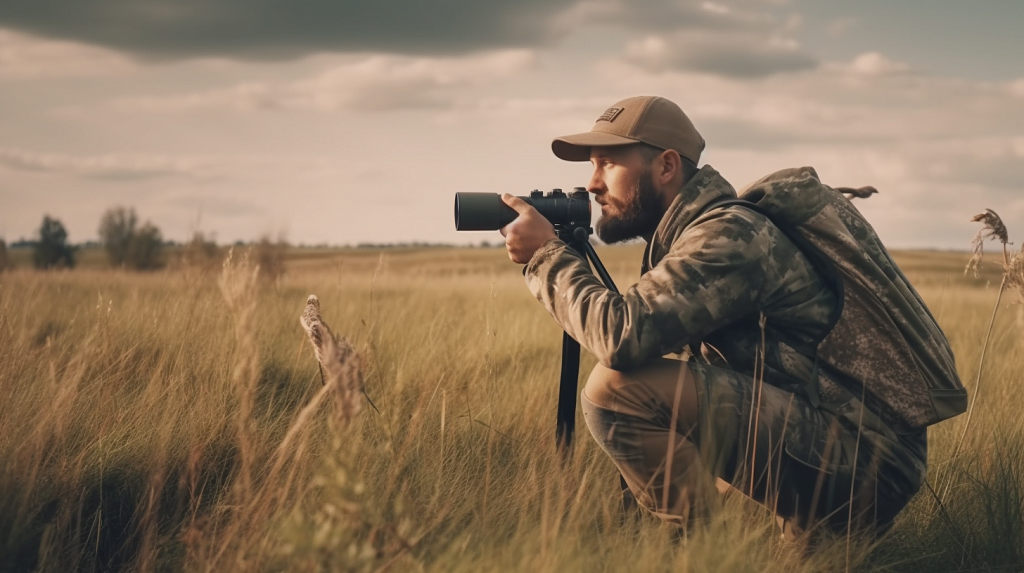
A spotting scope helps hunters study distant terrain, confirm what they are seeing, and make calmer decisions before moving or taking a shot. It is most useful when binoculars show something worth checking, but you need more detail without walking closer and disturbing the area.
For big country, open fields, cutovers, mountain basins, and range work before season, a good spotting scope can save time and reduce guessing. It does not replace binoculars for constant scanning, but it gives you a closer look when animal ID, antler detail, shot placement review, or terrain reading matters.
Table of Contents
What a Spotting Scope Does for Hunters
A spotting scope is a high-magnification field optic used for viewing land, animals, targets, and landmarks from a fixed position. It usually needs a tripod or stable rest because higher magnification also makes hand shake more obvious. That is why most hunters use binoculars first, then switch to a spotting scope when they want a closer look.
The main value is detail. Binoculars are better for wide scanning. A spotting scope is better for checking an animal, judging terrain, reading wind clues at distance, or seeing where a shot landed at the range. The general spotting scope design is built around more magnification than typical handheld optics, which is why stability and glass quality matter so much.
Main Benefits in the Field
Better Animal Identification
A spotting scope can help you confirm whether you are looking at the right animal before you spend energy on a stalk. In areas with antler restrictions, age-class goals, or similar-looking animals, that extra detail can matter. It also helps you avoid acting on movement, color, or shape alone.
Good identification is also part of safe hunting. A scope should never be used as a substitute for knowing your target and what is beyond it, but it can support that process by giving you more visual information from a stable position.
Less Unneeded Movement
Walking closer every time you see something can burn daylight, push animals, and make noise. A spotting scope lets you stay put longer and study likely bedding areas, feeding areas, ridgelines, field edges, and trails before deciding whether a move is worth it.
This is especially helpful on hunts where patience wins. If you can glass from one position and rule out empty ground, you may save your best movement for the right moment.
Better Terrain Reading
A spotting scope can show small terrain features that are easy to miss through binoculars: benches, shaded pockets, creek crossings, fence gaps, game trails, saddles, and escape routes. That can help you plan a stalk, choose a stand location, or decide where to watch next.
It also helps with route planning. Before crossing a valley or dropping into thick cover, you can study obstacles and landmarks from a distance. For longer hikes, the National Park Service’s hiking safety guidance is a useful reminder to plan for weather, daylight, water, and route conditions before leaving your position.
Cleaner Range Practice
Before hunting season, a spotting scope can make range sessions more efficient. You can see hits on paper or steel from the bench without walking downrange as often. That helps you confirm zero, check groups, and make notes while your shooting position is still fresh.
For firearm practice, keep normal range rules in place. The NSSF firearm safety rules are a good baseline: muzzle control, trigger discipline, target awareness, and safe handling do not change because optics are involved.
Shot Placement Review
After a shot, a spotting scope may help you watch where an animal travels, identify landmarks near the last visible location, and review sign from a distance before moving in. This can support a more careful recovery plan.
Do not use the scope as an excuse to rush. Mark the location, note the direction of travel, follow local recovery rules, and use your best judgment based on the hit, terrain, weather, and legal requirements.
When a Spotting Scope Makes Sense
A spotting scope is most useful when you can glass from a stable position and distance is part of the hunt. Western big-game hunting, prairie fields, crop edges, clearcuts, powerline rights-of-way, mountain basins, and open marsh edges are common examples.
- Use one when: you need to judge animals from far away, glass wide terrain from a ridge, confirm details before moving, or check targets at the range.
- Skip one when: you hunt thick woods, walk constantly, have short sightlines, or need the lightest possible setup.
- Pair it with: binoculars, a stable tripod, a lens cloth, and a pack setup that lets you carry the extra weight comfortably.
For bowhunters, the value depends on terrain. In tight whitetail woods, a spotting scope may stay home. In open country, it can help you study animals before a stalk. Bowhunter education resources such as Bowhunter Ed are also worth using for safety and ethics basics before the gear decisions.
How to Choose One for Hunting
Magnification
Common hunting spotting scopes use zoom ranges such as 15-45x, 20-60x, or similar. More magnification sounds better, but heat shimmer, low light, tripod shake, and glass quality can limit what you actually see. Many hunters spend more time in the lower or middle part of the zoom range because the image is brighter and steadier.
Objective Size
A larger objective lens can help gather light, but it adds size and weight. A compact 50mm to 65mm scope is easier to pack. A larger 80mm class scope can be better for long glassing sessions from a truck, blind, or short hike. Choose based on how far you carry it and how much low-light performance you need.
Straight or Angled Body
Straight scopes can be faster for finding a target, especially from a vehicle window mount or when switching from binoculars. Angled scopes are often more comfortable for long glassing sessions and easier for people of different heights to share on one tripod. Both can work for hunting; comfort and setup speed matter more than the label.
Tripod Stability
A shaky tripod can make even good glass feel poor. For hunting, look for a tripod that balances weight, height, and stability. If you glass sitting down, a shorter tripod may be enough. If you stand often in uneven ground, a taller and stronger tripod may be worth the weight.
Eye Relief and Comfort
If you wear glasses, eye relief becomes more important. A scope that forces you to press your face into the eyepiece gets tiring fast. For related optics basics, see our guide on what eye relief means for scopes and rangefinders.
Field Use Tips
- Scan with binoculars first. Use the wider field of view to find movement, then use the spotting scope for detail.
- Start at lower power. Find the animal or landmark first, then increase magnification only as needed.
- Keep the tripod low when possible. Sitting glassing positions are often steadier and less visible.
- Use landmarks. Note rocks, trees, fence lines, saddles, or openings near animals before you move.
- Protect the lenses. Dust, rain, snow, and fingerprints reduce image quality quickly in the field.
If you are still building an optics kit, it can help to compare spotting scopes with binoculars before buying. Our guide on what to know when buying binoculars explains the scanning side of the setup.
Limits and Mistakes to Avoid
A spotting scope is useful, but it is not the right answer for every hunt. It adds weight, takes time to set up, and needs stable support. In thick timber or fast-moving hunts, it may slow you down more than it helps.
- Do not buy magnification alone. Poor glass at high power can look dim and soft.
- Do not skip the tripod. Stability is part of the system, not an accessory afterthought.
- Do not glass through unsafe angles. Keep firearm and bow safety rules separate from optic use.
- Do not assume distance makes ethics easier. Positive ID, legal target rules, shot limits, and recovery plans still come first.
- Do not carry more than the hunt needs. A heavy scope that stays in the pack is not helping you.
FAQ
Is a spotting scope worth it for deer hunting?
It is worth it for open-country deer hunting, long fields, cutovers, and terrain where you can glass from a distance. It is less useful in thick woods where most sightings happen close and fast.
Do I need binoculars if I have a spotting scope?
Yes, most hunters should still carry binoculars. Binoculars are easier for scanning, while a spotting scope is better for studying details after you find something interesting.
What magnification is best for hunting?
A zoom range around 15-45x or 20-60x can work well, but image quality and tripod stability matter more than the highest number on the eyepiece. Lower and mid-range magnification often gives the clearest field view.
Can I use a spotting scope from a tree stand?
You can, but it is usually awkward unless the stand overlooks long open ground and you have a safe, stable way to use the scope. Binoculars are normally easier in a tree stand.
Should hunters choose a straight or angled spotting scope?
Choose straight if quick target pickup matters most. Choose angled if long glassing comfort and shared tripod use matter more. Both can work well for hunting.
What is the biggest mistake with a hunting spotting scope?
The biggest mistake is buying high magnification without budgeting for stable support. A steady tripod and clear glass usually matter more than maximum zoom.