How to Attract Ducks to Your Pond Naturally: Habitat, Plants, Water, and Ethics
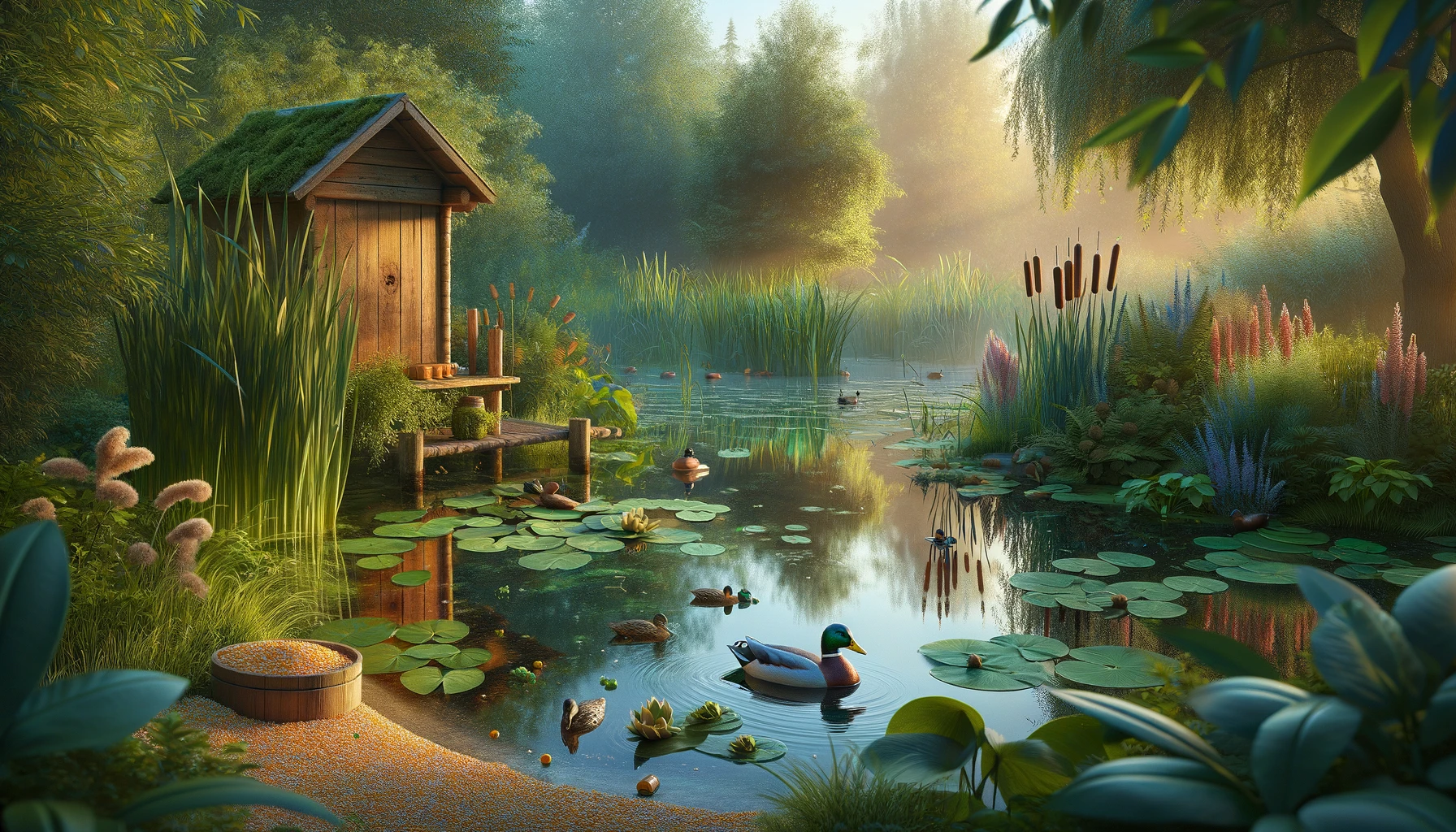
Attracting ducks to a pond is mostly about creating safe, natural habitat: clean water, shallow edges, native plants, quiet cover, and low disturbance. The goal should not be to make ducks dependent on handouts. A healthier approach is to improve the pond so ducks can use it naturally while still protecting water quality, local wildlife, and legal responsibilities.
The best way to attract ducks is to provide food-producing aquatic plants, protected resting areas, gradual shorelines, nearby cover, and a pond that is not overrun by pets, people, trash, or poor water quality. Avoid feeding bread, crowding ducks, or making changes that violate local wetland, water, or wildlife rules.
Table of contents
Quick Answer
To attract ducks to your pond, improve natural habitat instead of relying on hand feeding. Add native aquatic and shoreline plants, keep part of the shoreline quiet, provide shallow areas where ducks can feed, maintain clean water, reduce disturbance from pets and people, and avoid bread or junk food. Ducks are more likely to return to a pond that feels safe and provides natural food.
If the pond is connected to wetlands, streams, public waters, or protected habitat, check local rules before changing plants, water levels, banks, or nesting structures. Habitat work should help the ecosystem, not create erosion, crowding, or disease risk.
Think Habitat First
Ducks choose habitat based on safety, food, water, cover, and disturbance. A bare pond with steep banks and constant activity is less attractive than a pond with shallow edges, natural vegetation, and quiet resting areas.
Shallow Edges Matter
Many ducks feed in shallow water and along pond margins. Gradual edges allow them to dabble, rest, and move in and out of the water easily. Steep banks can make a pond less useful, especially for ducklings.
Quiet Zones
Leave at least one side of the pond quiet and lightly managed. Ducks need places to rest without constant foot traffic, dogs, mowing, or loud activity. A small undisturbed zone can be more valuable than decorative features.
Water Quality and Pond Health
Poor water quality can discourage wildlife and create problems for the whole pond. Excess nutrients, lawn runoff, trash, algae blooms, and low oxygen can reduce habitat value. Ducks may visit dirty water, but a healthy pond is better for long-term wildlife use.
Reduce Runoff
Keep fertilizers, pesticides, grass clippings, oil, and pet waste out of the pond. A vegetated buffer around the edge can filter runoff and provide cover. The U.S. Fish and Wildlife Service offers broad information about migratory birds and habitat through its Migratory Birds Program.
Do Not Overcrowd Wildlife
Too many ducks in a small pond can increase droppings, nutrient load, and disease risk. The aim is a balanced wildlife pond, not a crowded feeding site. If ducks become too numerous or aggressive, stop feeding if you were feeding and contact local wildlife guidance.
Native Plants and Natural Food
Native plants are one of the best ways to make a pond more attractive. They provide seeds, insects, shade, cover, and bank stability. Choose plants that fit your region and pond conditions.
Aquatic and Shoreline Plants
Useful plant categories can include native sedges, rushes, smartweed, pondweeds, duck potato, wild rice where regionally appropriate, and other local wetland plants. Avoid invasive species. Your county extension office, state wildlife agency, or native plant society can help identify safe local choices.
Insects and Invertebrates
Ducks do not rely only on visible plants. Many species eat aquatic insects, snails, and other invertebrates, especially during breeding and brood-rearing periods. A plant-rich pond supports that food web better than a sterile pond.
Cover, Nesting, and Resting Areas
Cover helps ducks feel secure. Shoreline vegetation, floating logs, small islands, brushy edges, and nearby grass or wetland cover can all improve habitat. Nesting needs vary by species, so do not assume one box or structure fits all ducks.
Nesting Structures
Wood ducks and some other cavity-nesting species may use properly placed nest boxes, but boxes must be built, located, and maintained correctly. A poorly maintained box can become a predator trap. Ducks Unlimited has extensive waterfowl habitat education, including practical conservation context, at Ducks Unlimited waterfowl habitat resources.
Resting Sites
Logs, low islands, and quiet banks can give ducks places to preen and rest. Avoid placing resting structures where pets, people, or predators can easily corner birds.
Why Feeding Ducks Can Backfire
Feeding ducks may seem helpful, but it can create dependency, crowding, poor nutrition, aggression, water pollution, and disease risk. Bread is especially poor food because it fills birds without giving balanced nutrition.
Do Not Feed Bread
Bread, chips, crackers, and processed snack foods are not good duck nutrition. If local rules allow limited feeding, use wildlife-appropriate options and keep it rare. In many situations, the best choice is not feeding at all and improving habitat instead.
Feeding Can Change Behavior
Regular feeding can make ducks approach people, roads, pets, and unsafe areas. It can also concentrate birds in one location. Habitat-based attraction is healthier than creating a handout routine.
Predators and Disturbance
Ducks avoid ponds where they are constantly chased or threatened. Domestic dogs, outdoor cats, heavy foot traffic, loud machinery, and frequent bank disturbance can all reduce pond use.
Manage Pets
Keep pets away from nesting, resting, or brood areas. Even a playful dog can cause repeated stress or separate ducklings from adults. If you want ducks to use the pond, make part of the area genuinely quiet.
Limit Mowing at the Edge
Closely mowed banks look tidy but offer little cover. Leaving a natural buffer can improve bank stability and wildlife value. Keep visibility and safety in mind, but avoid mowing every edge down to the waterline.
Legal and Ethical Notes
Wild ducks are usually protected under federal and state laws. Do not capture, harass, relocate, disturb nests, or collect eggs. Rules can vary by species and location, so check with your state wildlife agency if you have a problem or plan a habitat project.
Hunting and Habitat Are Separate Decisions
If you also hunt waterfowl, follow all seasons, licenses, stamps, bag limits, and baiting rules. Creating natural habitat is different from baiting. If you are unsure whether a food source or pond work could affect hunting legality, ask your wildlife agency before hunting.
Think Beyond Your Pond
A pond can support more than ducks: amphibians, insects, songbirds, small mammals, and native plants may benefit too. Good habitat work avoids invasive plants, pollution, crowding, and artificial dependency.
FAQ
What attracts ducks to a pond naturally?
Clean water, shallow edges, native aquatic plants, quiet cover, resting areas, and low disturbance attract ducks naturally. Habitat is more reliable and healthier than hand feeding.
Should I feed ducks to keep them around?
Usually no. Feeding can create dependency, crowding, poor nutrition, pollution, and disease risk. Improving natural habitat is a better long-term approach.
What should I plant around a duck pond?
Use native wetland and shoreline plants suited to your region, such as local sedges, rushes, smartweed, pondweeds, and other non-invasive species. Ask a local extension office or wildlife agency for region-specific options.
Can I put a duck house or nest box by my pond?
Maybe, depending on the species and location. Nest boxes must be built, placed, predator-guarded, and maintained correctly. A bad box can do more harm than good.
Are ducks good for a pond?
A few ducks can be part of a healthy pond ecosystem, but too many ducks can add nutrients, droppings, and disease risk. Balance matters.
Final Thoughts
To attract ducks to your pond, make the pond healthier rather than turning it into a feeding station. Improve native plants, water quality, shallow edges, cover, and quiet space. Then let ducks decide whether the habitat fits their needs. That approach is better for the birds, the pond, and the wider ecosystem.