Hunting Gear Longevity: Cleaning, Maintenance, Storage, and Repair Guide
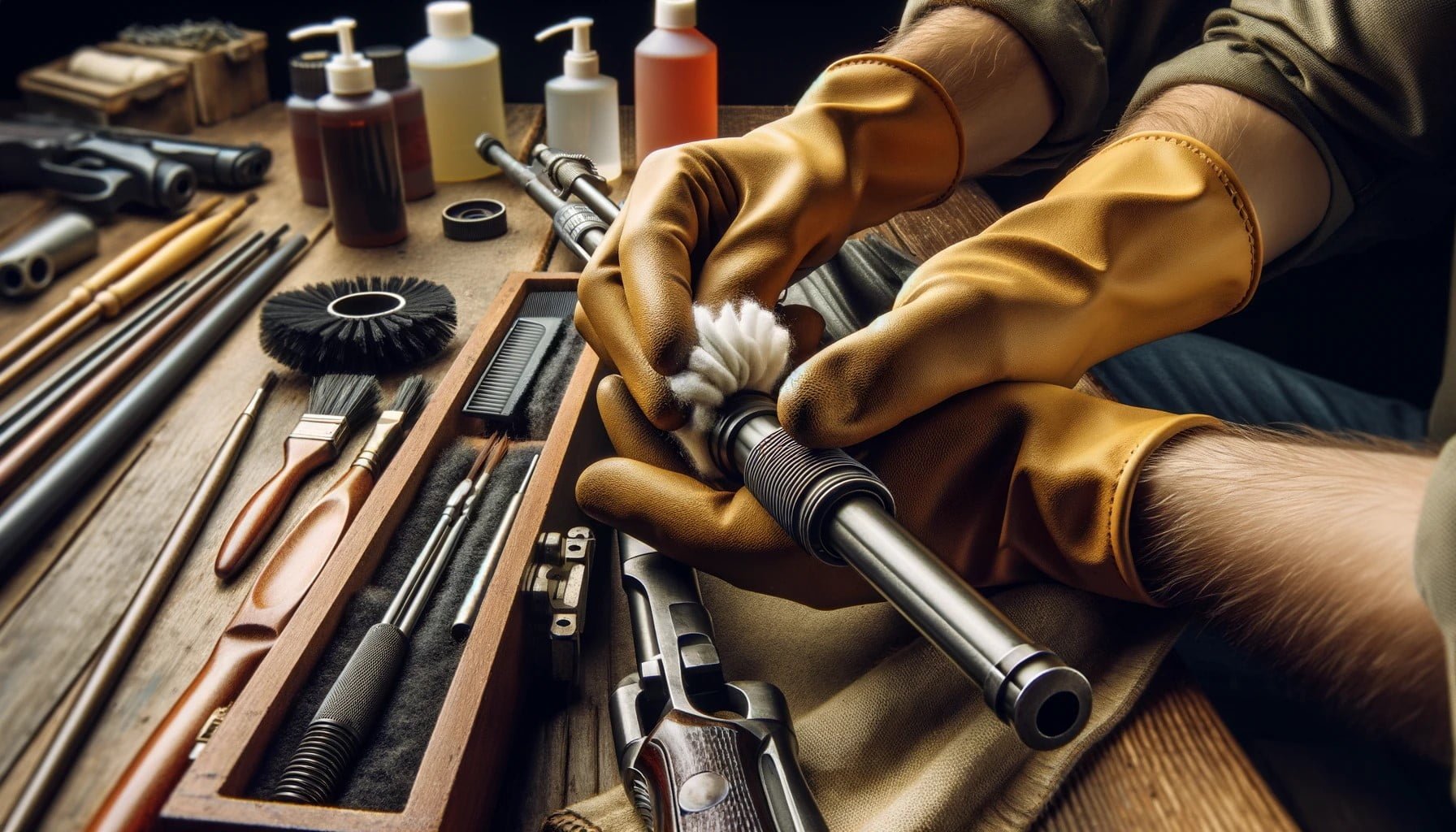
Hunting gear lasts longer when it is cleaned, dried, inspected, repaired, and stored before small problems become expensive failures. Boots crack when stored dirty and wet. Optics suffer when lenses are wiped with grit. Clothing loses performance when washed incorrectly. Firearms and bows need safe, routine maintenance. The best way to extend hunting gear life is to build a simple after-trip routine and a deeper pre-season inspection.
The practical rule is simple: clean gear after use, dry it completely, repair damage early, store it in a cool dry place, and check critical safety items before every season. Good maintenance saves money, improves field reliability, and reduces the chance of a trip being ruined by gear that should have been serviced months earlier.
Table of contents
Quick Answer
To make hunting gear last longer, remove mud and moisture after every trip, dry items away from direct high heat, wash clothing according to its fabric and waterproofing instructions, clean optics with proper lens tools, inspect boots, packs, straps, zippers, firearms, bows, and knives, and store everything where heat, humidity, sunlight, and pests cannot damage it.
Maintenance does not need to be complicated. A ten-minute post-trip check can catch loose screws, wet boots, torn seams, dull blades, cracked straps, dead batteries, rust, or dirty optics before they become trip-ending problems.
After-Trip Routine
The best maintenance habit is doing the basics as soon as you get home. Do not toss wet boots, muddy packs, and damp clothing into a corner until the next hunt. Moisture, dirt, blood, sweat, and plant debris can damage materials, create odor, and hide problems.
Unload and Sort Gear
Lay everything out where you can see it. Separate clothing, boots, packs, optics, knives, electronics, calls, lights, batteries, and safety gear. Remove trash, food wrappers, spent hand warmers, and anything that can leak or smell.
Dry Before Storage
Dry gear fully before it goes into totes, closets, safes, or packs. Use airflow, not excessive heat. High heat can damage leather, adhesives, waterproof membranes, rubber, and synthetic fabrics.
Boot Care
Boots often fail early because they are stored dirty, wet, or overheated. Mud pulls moisture from leather and fabric. Sweat inside the boot creates odor and material breakdown. Drying boots beside intense heat can crack leather and weaken glue.
Cleaning Boots
Brush off dry mud, rinse when needed, and remove insoles so the inside can dry. Use cleaners that match the boot material. Leather, rubber, and synthetic boots do not all need the same treatment. If your hunt involves long walking, boot care belongs in the trip plan as much as maps and tags; our beginner hunting trip planning guide covers that bigger planning picture.
Waterproofing and Conditioning
Reapply waterproofing or leather conditioner according to the boot maker’s guidance. Too much product can soften or clog materials, while too little leaves boots vulnerable. Let treated boots dry fully before storage.
Hunting Clothing Care
Hunting clothing lasts longer when washed and stored according to fabric type. Base layers, insulation, rain gear, and blaze-orange garments all have different needs. Always check the care label before using strong detergent, scent products, bleach, fabric softener, or high dryer heat.
Waterproof and Breathable Fabrics
Rain gear and waterproof-breathable fabrics can lose performance when pores are clogged with dirt, oils, or residue. Use appropriate technical wash when needed, and avoid products that the fabric maker warns against. The REI guide to restoring DWR on rainwear is a helpful general reference for understanding durable water repellent care.
Odor and Storage
Do not store sweaty or bloody clothing in sealed bags. Wash or air it out first. Store hunting clothing dry, clean, and protected from pests. If you use scent-control routines, keep them practical and avoid letting scent concerns override safety or weather preparation.
Packs and Bags
Packs take abuse from brush, blood, rain, meat, mud, and heavy loads. Small tears, broken buckles, loose stitching, and worn straps are easier to fix before they fail under weight.
Clean and Inspect
Empty every pocket. Shake out dirt and seeds. Wipe or rinse the pack according to the material. Check shoulder straps, waist belt, zippers, frame, meat shelf, buckles, and stitching. Let the pack dry fully with pockets open.
Repair Early
Replace broken buckles and patch small tears before the next trip. If a load-bearing seam is failing, treat it as a safety issue. A pack failure miles from the truck can turn a good hunt into a miserable recovery.
Optics Care
Binoculars, rangefinders, scopes, and spotting scopes need careful cleaning. The fastest way to scratch a lens is wiping dust or grit across it with a shirt sleeve. Use a blower, soft brush, lens-safe cloth, and appropriate lens cleaner.
Lens Cleaning
Blow off loose debris first. Brush gently. Then use a clean microfiber cloth or lens tissue with lens-safe solution if needed. Keep caps on when the optic is not in use. For rifle optics specifically, our guide on how to clean a rifle scope without damaging the lens gives more detail.
Batteries and Electronics
Remove batteries from electronics before long storage when the manufacturer recommends it. Battery leakage can destroy rangefinders, lights, radios, and electronic hearing protection. Check charge levels before the season.
Firearm and Bow Maintenance
Firearms, bows, crossbows, and knives require safe handling and manufacturer-specific maintenance. Always unload firearms before cleaning, keep ammunition away from the cleaning area, and follow firearm safety rules. For a refresher, the NSSF firearm safety rules are worth reviewing.
Firearms
Clean and lubricate firearms according to the manual, especially after wet weather, dust, or heavy use. Watch for rust, loose screws, damaged optics mounts, worn slings, and magazine issues. Confirm zero before hunting after major cleaning, impact, or scope adjustment.
Bows and Crossbows
Inspect strings, cables, limbs, serving, cams, bolts, screws, nocks, broadheads, and arrows. Replace damaged parts before the season. If you are not trained to work on a bow press or crossbow components, use a qualified shop.
Off-Season Storage
Off-season storage should protect gear from moisture, heat, sunlight, pests, and pressure damage. Gear should be clean and dry before storage. Avoid crushing insulation, bending pack frames, storing boots folded, or leaving optics in hot vehicles.
Use Labeled Totes
Clear labels save time before the season. Keep safety gear, tags, knives, lighting, batteries, first aid, clothing, and species-specific items organized. A short checklist inside each tote can prevent last-minute scrambling.
Check Mid-Offseason
Do one mid-offseason inspection. Look for mildew, pests, rust, dead batteries, dried-out leather, or gear that needs professional service. Fixing issues months early is cheaper and calmer than fixing them the night before opening day.
When to Repair or Replace Gear
Repair gear when the problem is small, safe to fix, and cheaper than replacement. Replace gear when failure could create a safety problem, when waterproofing or structure is gone, when load-bearing parts are compromised, or when repair cost approaches replacement cost.
Safety Comes First
Never gamble on unsafe stands, rotten straps, damaged ropes, cracked limbs, questionable ammunition, faulty triggers, or failing harnesses. Gear longevity is useful only when the gear remains safe. Ethical hunting includes responsible preparation; our ethical hunting practices guide explains why preparation matters beyond convenience.
Track What Fails
Keep notes on what wears out. If the same boot seam, zipper, glove, battery, or buckle fails repeatedly, adjust your buying or maintenance habits. Longevity comes from both caring for gear and choosing gear that fits your real use.
FAQ
How do I make hunting gear last longer?
Clean it after use, dry it completely, inspect for damage, repair small problems early, follow care labels and manuals, and store gear away from moisture, heat, sunlight, and pests.
Should I wash hunting clothes after every trip?
Wash clothing when it is sweaty, muddy, bloody, smoky, or contaminated. Some outerwear may only need airing out or spot cleaning. Always follow the care label so you do not damage waterproofing or insulation.
Can I dry hunting boots by a heater?
Avoid direct high heat. Strong heat can crack leather, damage rubber, and weaken adhesives. Remove insoles and use airflow at room temperature or a boot dryer designed for safe low-heat drying.
How often should I inspect hunting gear?
Do a quick check after every trip and a deeper inspection before each season. Safety-critical items such as stands, harnesses, firearms, bows, and knives should be checked more carefully.
When should I replace hunting gear?
Replace gear when it is unsafe, unreliable, no longer weatherproof, structurally damaged, or too costly to repair. Do not stretch the life of gear that protects your body or affects safe weapon handling.
Final Thoughts
Hunting gear longevity is mostly about consistency. Clean it, dry it, inspect it, repair it early, and store it correctly. Those small habits protect your investment, reduce waste, and make every future hunt less stressful.