Gun Shooting Techniques: Safe Fundamentals for Beginners
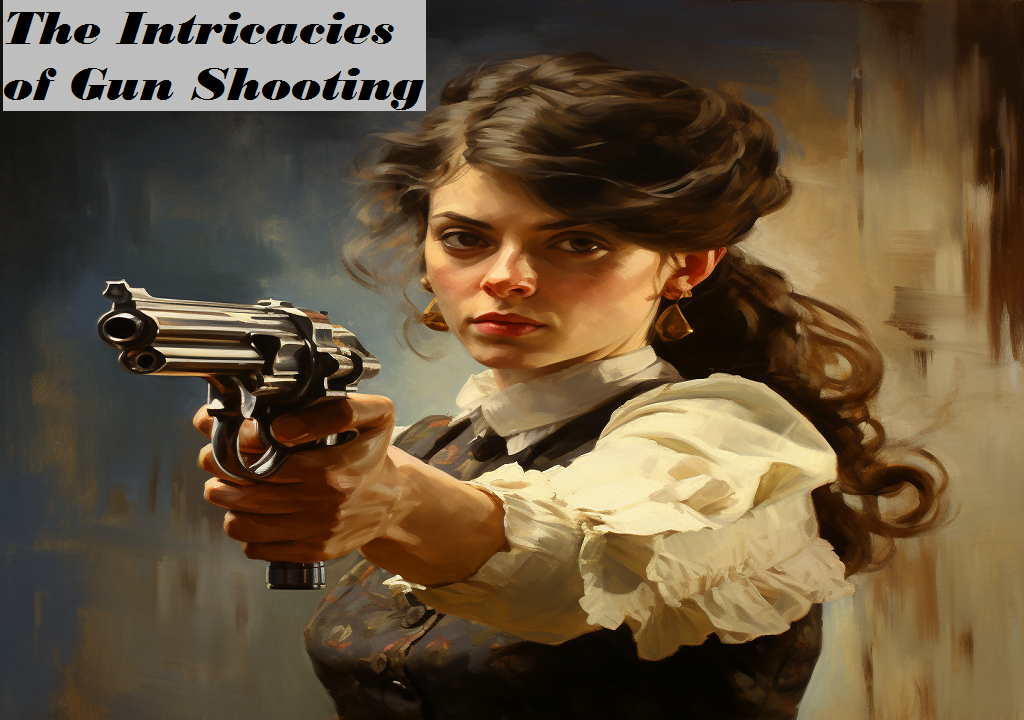
Gun shooting techniques start with safety, not speed. A new shooter should first learn muzzle control, trigger discipline, stance, sight picture, breathing, follow-through, and range etiquette under qualified supervision. Those basics help you shoot more consistently while keeping the people around you safe.
This guide is written for beginners, returning range users, and anyone who wants a clean refresher before live-fire practice. It does not replace in-person instruction, local range rules, firearm manuals, or state law. If you are new to firearms, work with a certified instructor before handling or firing any gun.
Table of Contents
Quick Safety Baseline
Before thinking about accuracy, build every session around safe handling. The NSSF firearm safety rules put muzzle direction, unloaded handling, target awareness, correct ammunition, and eye and ear protection at the center of responsible shooting. Those rules matter at home, in a class, at a public range, and in the field.
- Keep the muzzle pointed in a safe direction at all times.
- Keep your finger off the trigger until your sights are on target and you have decided to fire.
- Know your target, what is around it, and what is behind it.
- Use only ammunition that matches the firearm manufacturer’s markings and manual.
- Wear proper eye and hearing protection every time live fire is happening nearby.
Safe storage is part of shooting skill too. Project ChildSafe explains that secure storage can help prevent access by children, theft, or unauthorized use. If a firearm is not actively in use, store it locked, unloaded, and separate from ammunition according to your local laws and household needs.
Stance, Grip, Sight Picture, and Trigger Control
Stance
A good stance should feel balanced and repeatable. Place your feet about shoulder-width apart, lean slightly forward from the ankles, and keep your knees relaxed. The goal is not to look aggressive; the goal is to stay stable without locking your body stiff.
For handguns, many beginners do well with a square stance because it makes recoil easier to manage and keeps the body aligned with the target. For rifles and shotguns, the exact stance depends on the firearm type, shooting position, and range rules, so follow your instructor’s setup.
Grip
Your grip should be firm enough to control the firearm without shaking. With a handgun, both hands should work together so the gun returns naturally after recoil. With a long gun, the stock should be seated consistently, the support hand should guide the front of the firearm, and your cheek position should stay repeatable.
A common beginner problem is changing grip pressure from shot to shot. If your first shot feels calm but the next one feels rushed, reset your grip, breathe, and start again instead of trying to force the next round.
Sight Picture
Sight picture means how the sights align with the target before the shot breaks. With iron sights, the front sight should be centered and level with the rear sight. With an optic, the aiming point should be steady enough for the shot you are taking, and your head position should be consistent.
Do not chase a perfectly frozen sight picture. Small movement is normal. Beginners usually improve faster by accepting a controlled wobble and pressing the trigger smoothly than by waiting too long and snatching the shot.
Trigger Control
Trigger control is the part most shooters notice first on paper. Press the trigger straight to the rear without moving the sights off target. A smooth press matters more than a fast press. If the muzzle dips, jumps, or drifts right before the shot, slow down and work on a steady press.
Dry practice can help, but only when done safely. Use an unloaded firearm, remove ammunition from the room, follow the manual, choose a safe direction, and stop if anything feels uncertain. Many new shooters are better served by practicing with an instructor before doing dry work alone.
Breathing and Follow-Through
Breathing should calm the shot, not complicate it. For basic range practice, inhale, exhale naturally, pause briefly, and press the trigger during that settled moment. Do not hold your breath so long that your body tenses or your vision starts to narrow.
Follow-through means you keep doing the right things after the shot breaks. Keep the muzzle controlled, keep your eyes on the sights or optic, let the firearm settle, and only then prepare for the next shot. Good follow-through prevents the habit of lifting your head early to look for the hit.
Range Etiquette for Safer Practice
Every range has its own rules, and those rules come first. Listen to the range officer, keep firearms pointed downrange, and do not handle firearms during a cease-fire unless the range officer says it is allowed. If you are unsure, ask before touching anything.
- Arrive with your firearm cased and unloaded unless the range has a different posted process.
- Keep ammunition organized and away from firearms during setup when required by the range.
- Use the correct target lane and never shoot at unapproved objects.
- Stop immediately if you hear “cease fire” or see unsafe behavior.
- Wash your hands after shooting or handling spent brass, especially before eating or drinking.
Indoor ranges can expose shooters to loud noise and residue from fired ammunition. A CDC/NIOSH publication on indoor firing ranges discusses lead and noise exposure concerns for range environments, which is one reason eye protection, hearing protection, ventilation, and hygiene matter.
A Simple Practice Plan for Beginners
A useful beginner session is short, focused, and easy to measure. Do not try to practice every skill in one visit. Pick one or two fundamentals, shoot slowly, and write down what changed.
- Review safety rules before uncasing the firearm.
- Confirm the firearm, ammunition, target, and range lane are correct.
- Fire a slow group at a comfortable distance.
- Check whether the group shows a clear pattern.
- Adjust one thing at a time: grip, sight picture, or trigger press.
- End the session before fatigue turns into careless handling.
For most beginners, five careful shots teach more than twenty rushed shots. A clean practice note might say, “Shots moved low when I rushed the trigger” or “Grip stayed steadier when I reset between rounds.” That kind of simple note gives you something useful to bring to your next lesson.
Common Mistakes to Fix Early
Looking Over the Sights Too Soon
Many new shooters lift their head right after the shot to see the target. That breaks follow-through and can move the firearm before the shot finishes. Keep your head and eyes in place until the firearm settles.
Pressing the Trigger Too Fast
If the target looks good and then the shot lands low or wide, the trigger press may be disturbing the sights. Slow down, press straight back, and let the shot surprise you slightly.
Ignoring Eye and Ear Protection
Eye and hearing protection are not optional range accessories. They protect against noise, debris, gas, and unexpected equipment issues. Put them on before live fire begins and keep them on until the range is safe.
Practicing Without Feedback
A beginner can repeat the same mistake for months without noticing. Occasional coaching from a qualified instructor helps you find issues early, especially with grip, stance, trigger press, and safe gun handling.
FAQ
What is the most important gun shooting technique for beginners?
Safe muzzle control is the first skill. Accuracy does not matter if the firearm is not handled safely. After that, focus on a stable stance, consistent grip, clear sight picture, smooth trigger press, and follow-through.
Should I learn from videos or take a class?
Videos can explain terms, but they cannot watch your muzzle, trigger finger, grip, or range behavior. A class or supervised range session is the safer starting point for a new shooter.
How often should a beginner practice shooting?
Practice often enough to keep safe handling habits fresh, but keep sessions focused. A short, careful range visit with notes is better than a long session where fatigue causes sloppy handling.
Do I need both earplugs and earmuffs?
Some indoor ranges and loud firearms make double hearing protection a smart choice. Follow range rules, choose properly rated protection, and ask the range officer or instructor if you are unsure.
What should I do before buying my first firearm?
Take a safety class, learn your local laws, try supervised range time when possible, and read the manual for any firearm you are considering. The best first firearm is one you can handle safely, store securely, and train with responsibly.
Final Takeaway
Good shooting starts with calm, repeatable habits. Keep the firearm pointed safely, protect your eyes and ears, use the right ammunition, practice one skill at a time, and get qualified instruction when you need feedback. That approach helps new shooters build confidence without cutting corners on safety.