Beagle Hunting Dog Guide: Training, Safety, and Field Care
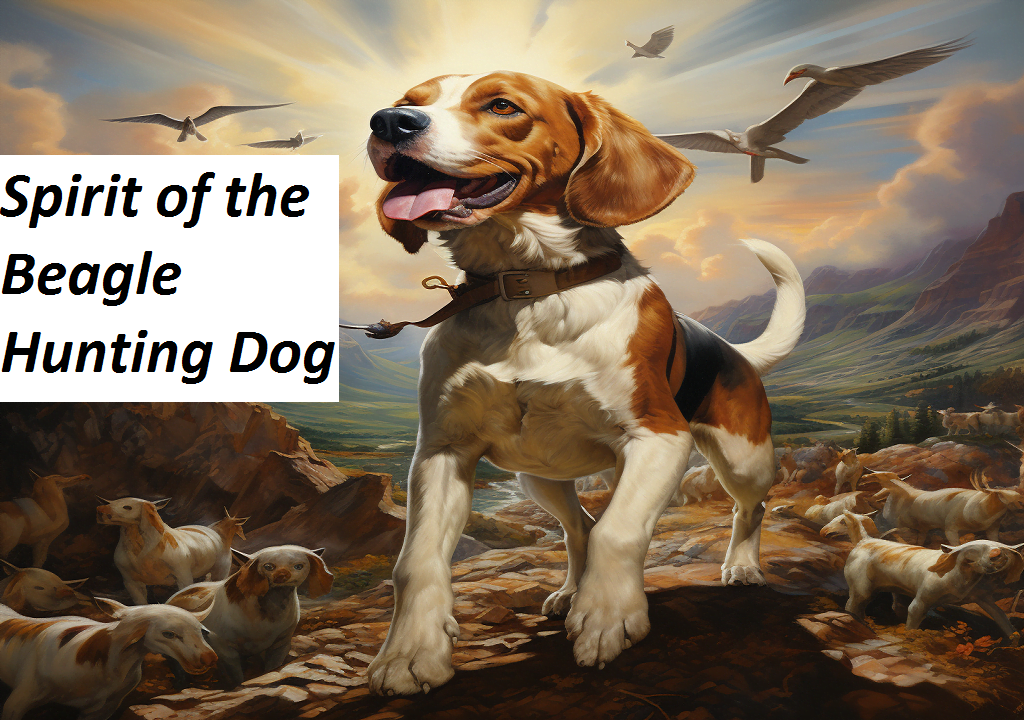
A beagle hunting dog is a scent hound known for tracking rabbits, hares, and other small game where legal. A good hunting beagle is not just energetic. It needs obedience, conditioning, safe field exposure, handler control, and responsible care before and after every hunt.
This guide explains beagle hunting dogs from a welfare-first and beginner-safe perspective. It does not replace dog training, veterinary care, local hunting rules, landowner permission, or guidance from an experienced hound handler.
Table of Contents
Quick Answer
Beagles are popular hunting dogs because they are scent-driven, compact, social, and persistent on small-game trails. They still need careful obedience, recall work, conditioning, safe land access, legal hunting rules, and post-hunt care. Breed instinct does not replace training.
Why Beagles Are Used for Hunting
Beagles were developed as scent hounds, which means they follow scent trails with focus and energy. The American Kennel Club beagle breed overview describes the breed as a hound with a strong nose, friendly temperament, and active nature.
- Strong scenting ability for following small-game trails.
- Compact size for brushy cover and thick habitat.
- Pack-friendly temperament when socialized well.
- High energy for active field days.
- Clear voice that helps handlers track the chase.
Those traits can be useful, but they can also create challenges. A beagle that follows scent without handler control can cross roads, leave legal hunting areas, or push into unsafe places. Training and boundaries matter.
Training Basics
Start with basic obedience before field work. A beagle should understand name response, recall, leash manners, loading and unloading, and calm handling around other dogs and people. Small-game work should be introduced gradually and legally.
- Build daily obedience and recall.
- Socialize the dog safely with people, places, and other dogs.
- Condition the dog for field walking before hunting season.
- Introduce cover, terrain, and scent work gradually.
- Use experienced handlers or clubs when learning hound work.
Training should be fair and consistent. Do not expect a young or unconditioned dog to perform like an experienced field beagle. Short, positive sessions usually teach more than long, chaotic outings.
Field Safety and Dog Welfare
Beagle hunting can expose dogs to roads, fences, ice, heat, thorns, ticks, snakes, livestock, and other hunters. Dog welfare needs to be part of the plan before the truck leaves home. The American Veterinary Medical Association guidance on hunting with dogs is a helpful reminder to prepare for conditioning, identification, first aid, and veterinary care.
- Use visible collars, identification, and tracking tools where legal and appropriate.
- Carry water and watch for overheating.
- Check paws, ears, eyes, and coat after the hunt.
- Keep dogs away from roads and unsafe property boundaries.
- Confirm vaccines, parasite prevention, and fitness with a veterinarian.
Ethical Hunting With Beagles
Ethical hunting with beagles starts with legal access, current small-game rules, and respect for landowners. Hunters should know the season, bag limits, legal methods, blaze-orange rules where applicable, and whether dogs are allowed on that land at that time.
The Hunter-Ed responsible hunter guidance applies to hound hunting too: respect landowners, hunt safely, recover game responsibly, and avoid behavior that damages public trust.
Beagle Hunting Checklist
- Current small-game rules and dog-use rules checked.
- Land access and boundaries confirmed.
- Dog is conditioned and healthy enough for the hunt.
- Collar, ID, lead, water, first-aid basics, and tracking plan ready.
- Handler knows road, fence, livestock, and property risks.
- Post-hunt paw, ear, tick, and injury check planned.
FAQ
Are beagles good hunting dogs?
Yes, many beagles are good small-game hunting dogs because they are scent-driven and persistent. Training, health, conditioning, and handler control matter more than breed name alone.
What do beagles hunt?
Beagles are commonly associated with rabbit and hare hunting where legal. Rules vary by location, species, season, and land access.
Can a family beagle become a hunting dog?
Some can, but it depends on health, temperament, training, prey drive, and safe exposure. A pet beagle should not be pushed into hunting without gradual training and proper care.
Do beagles need GPS collars for hunting?
Tracking tools can help in some areas, but rules and needs vary. At minimum, a hunting beagle should have identification, handler control, and a plan for roads and boundaries.
How do I keep a beagle safe while hunting?
Condition the dog, check the weather, avoid unsafe roads and boundaries, carry water, use visible identification, inspect the dog after the hunt, and work with a veterinarian on health and parasite prevention.
Final Takeaway
A beagle hunting dog needs more than instinct. Build obedience, protect the dog in the field, follow small-game rules, respect landowners, and treat the dog’s welfare as part of every hunt.