Rattling Antlers for Deer Hunting: 10 Legal, Safety, and Setup Checks
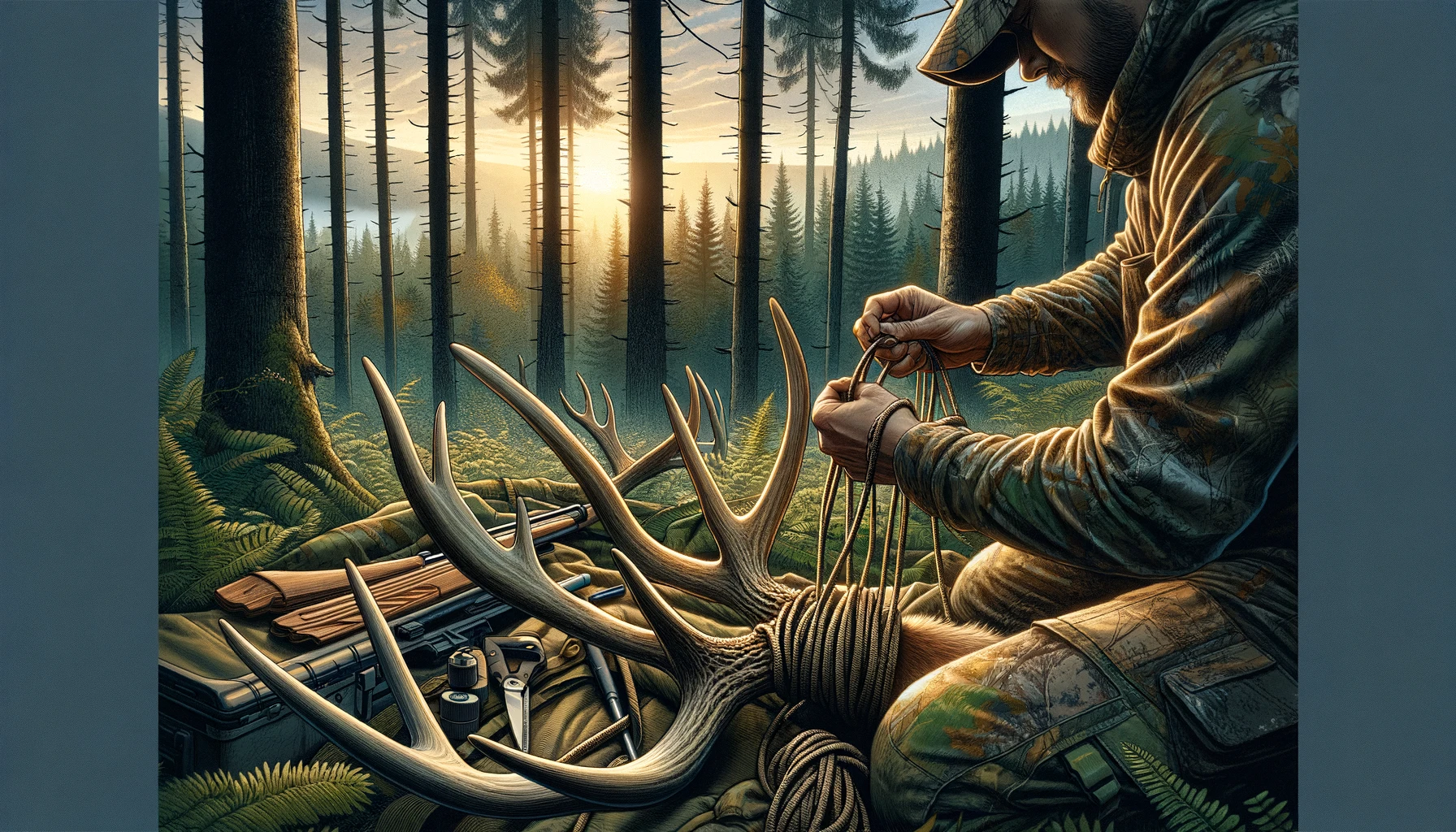
Rattling antlers can be useful during parts of the deer rut, but they are not magic. Before using real or synthetic rattling antlers, check your state deer regulations, land rules, legal hunting hours, orange requirements, and whether possession or transport of natural antlers has any local restrictions. Then use rattling only where you can keep safe shot lanes and identify every deer clearly.
This guide keeps the topic practical: what rattling is meant to imitate, when it may fit a hunt, how to make or choose a simple set, and how to use it without unsafe movement, overcalling, trespass problems, or unrealistic expectations.
Table of Contents
- Quick Answer: How Do Rattling Antlers Work?
- Check Rules Before Using Antlers
- Understand the Rut Before Rattling
- Real Antlers vs Synthetic Rattling Tools
- How to Prepare a Simple Rattling Set
- Choose a Safe Calling Setup
- Use a Controlled Rattling Sequence
- Common Rattling Mistakes
- Safety and Ethical Shot Checks
- Rattling Antlers Checklist
- FAQ
- Final Takeaway
Quick Answer: How Do Rattling Antlers Work?
Rattling antlers imitate the sound of bucks sparring or fighting. During the rut, some deer may investigate that sound because it can suggest competition or breeding activity nearby. Response depends on timing, buck age structure, hunting pressure, wind, cover, and whether the setup lets deer approach without feeling exposed.
What rattling can do
Rattling can add sound to a rut setup and may pull the attention of a cruising buck. It can also help a hunter stay active when visibility is limited by timber or terrain.
What rattling cannot do
Rattling cannot override bad wind, unsafe shot lanes, low deer activity, illegal timing, or poor target identification. It is one tactic, not a guarantee.
Check Rules Before Using Antlers
Deer hunting rules are set by state wildlife agencies and can vary by season, county, weapon type, public land, and disease-management area. The deer hunting reference explains that state agencies regulate seasons, methods, and harvest rules in the United States.
Do this check before you pack the antlers, not after you reach the stand. Look for current season dates, legal hunting hours, blaze-orange rules, tagging requirements, public-land calling rules, and any local disease-area transport restrictions that might affect natural antlers. If the rulebook is unclear, call the state wildlife office or property manager before hunting.
Natural antler possession
If you use real antlers, confirm that collecting, possessing, transporting, or selling shed antlers is legal where you hunt. Some public lands and wildlife areas have special shed or wildlife-part rules.
Calling and electronic rules
Manual rattling is usually different from electronic calling, but rules still vary. Check whether deer calls, scents, decoys, bait, electronic devices, or attractants are restricted in your area.
Public land pressure
On public land, rattling can attract deer, but it can also alert other hunters to your location. Wear required visibility clothing and avoid calling in a way that creates unsafe movement toward other people.
Understand the Rut Before Rattling
Rattling works best when it matches deer behavior. During the rut, bucks may spar, fight, rub, scrape, cruise, and respond to other deer activity. Outside that window, loud rattling may sound unnatural or may simply be ignored.
Pre-rut
Light sparring sounds may fit the pre-rut better than a long, aggressive fight sequence. Bucks may still be sorting dominance, but they may not charge into every sound.
This is also the stage where subtle mistakes stand out. If you make a heavy fight sound in quiet cover with little daylight buck movement, nearby deer may hang up and search from a distance. Start small, watch downwind cover, and let the area settle before calling again.
Peak rut
During peak rut, some bucks are moving more and may react to competition. Still, a buck with a doe, a bad wind, or heavy pressure may ignore rattling completely.
Post-rut
Late-season rattling should usually be subtle. Deer are conserving energy and may avoid loud, risky encounters, especially after heavy hunting pressure.
Real Antlers vs Synthetic Rattling Tools
You do not need a complicated setup. Real shed antlers, synthetic antlers, rattling bags, and compact tools can all make usable sound when handled with control.
Real antlers
Real antlers can sound natural, but they are bulky and can be sharp. Smooth rough points, drill lanyard holes carefully if needed, and carry them so they do not jab you while climbing or walking.
Synthetic tools
Synthetic tools are often easier to pack and safer to handle. They may not sound exactly like real antlers, but consistency and safe use matter more than chasing a perfect sound.
Rattling bags
Rattling bags are compact and quiet to carry. They can be useful for hunters who walk long distances, climb stands, or want less gear swinging from a pack.
Whichever tool you choose, practice before the hunt. Learn the difference between a light tick, a short clash, and a harder grinding sound. The goal is control, because uncontrolled noise can sound unnatural and can reveal your position.
How to Prepare a Simple Rattling Set
If real antlers are legal to possess where you hunt, a simple pair can be prepared with basic safety steps. Do not use antlers from illegally taken animals or from areas where wildlife-part rules prohibit collection.
Clean and inspect
Brush off dirt, check for cracks, and remove loose material. Avoid harsh chemicals that leave a strong smell or make the antlers slippery.
Remove sharp hazards
Blunt broken points and rough edges. The goal is not to make the antler look polished; it is to keep it from cutting your hands, pack, bowstring, or clothing.
Add a quiet carry method
Use cord, tape, or a soft wrap so the antlers do not clack while walking. Unplanned noise on the way in can warn deer before you reach the setup.
Choose a Safe Calling Setup
Calling setup matters more than volume. Before rattling, choose a place with wind advantage, visibility, safe backstop, and a clear plan for how a deer might approach.
Use the wind
Expect deer to circle or check the wind. Set up so your scent does not blow directly into the most likely approach route.
Keep shooting lanes realistic
Do not rattle into cover where you cannot identify the deer or the background. If a buck appears fast and close, the shot still needs to be safe and legal.
Stay visible to people
During firearm seasons, follow orange requirements and remember that rattling can sound like real deer activity. Other hunters may move toward the sound.
Use a Controlled Rattling Sequence
A controlled sequence is easier to repeat and judge than random noise. Start softer than you think, then adjust based on season phase, wind, cover, and deer response.
Start with light contact
Tap and grind the antlers briefly to imitate light sparring. Pause and watch downwind and side-cover before making more sound.
Add intensity only when it fits
During a stronger rut window, you can add louder clashes, scraping leaves, or short bursts. Avoid long sessions that make the setup sound unnatural.
Wait after the sound
Many hunters move too soon. After rattling, stay still and scan slowly. A deer may approach quietly, circle downwind, or stop at the edge of cover.
Common Rattling Mistakes
Most rattling mistakes come from making too much noise, calling from poor setups, or expecting sound to fix bigger hunting problems.
Calling too loudly too often
Loud rattling can carry a long way. In pressured areas, repeated noise can educate deer or draw unwanted human attention.
Ignoring wind
If a deer circles and catches your scent, the best sound will not help. Plan the downwind side before the first sequence.
Moving after the sequence
Rattling often requires stillness afterward. Put the antlers down quietly, get ready, and watch before assuming nothing heard you.
Safety and Ethical Shot Checks
Deer calls do not change firearm or archery safety. The NSSF firearm safety rules stress safe muzzle direction and knowing your target and what is beyond it. That matters even more when sound may bring deer or people closer.
Identify the deer first
Do not shoot at sound, movement, antler flash, or assumption. Confirm species, sex or antler rules, legal shooting light, and background.
Respect property lines
Do not call deer toward a boundary if it encourages risky shots or trespass. Know where a deer may run after the shot and whether recovery access is legal.
Avoid crowding other hunters
If you hear another hunter calling, do not move toward the sound. Give other setups space and keep your own calling plan predictable.
Rattling Antlers Checklist
- State deer rules, season dates, legal hours, and public-land rules checked.
- Natural antler possession and transport rules checked.
- Wind and likely downwind approach considered.
- Safe shooting lanes and backstop confirmed.
- Orange or visibility requirements followed.
- Antlers or tool carried quietly and safely.
- Sequence matches rut phase and pressure level.
- Partner locations and property lines known.
- Recovery plan considered before calling.
FAQ
Do rattling antlers really work?
They can work in the right rut phase and setup, but they do not work every time. Deer response depends on timing, pressure, age structure, wind, and cover.
Are real antlers better than synthetic rattling tools?
Real antlers can sound natural, but synthetic tools are easier to carry. The setup, wind, timing, and safe shot plan matter more than the material.
When is the best time to rattle for deer?
Rattling usually makes the most sense around pre-rut and rut behavior, but local timing varies. Watch deer sign, trail-camera timing where legal, and state season dates.
Can rattling scare deer?
Yes. Loud, frequent, or poorly timed rattling can make deer cautious, especially in pressured areas. Start subtle and give deer time to respond.
Is it legal to use shed antlers for rattling?
It depends on where the antlers came from and where you hunt. Check state wildlife rules and public-land regulations before collecting, carrying, or using natural antlers.
Final Takeaway
Rattling antlers are a situational deer-calling tool. Use them legally, quietly, and safely. Match the sound to rut behavior, plan the wind, keep visibility and shot lanes honest, and remember that no call is worth an unsafe or uncertain shot.
A careful setup protects both the hunt and the reader’s safety.