Primos 65815 Gen 3 Trigger Stick Buyer Checks: Tripod Rest Guide
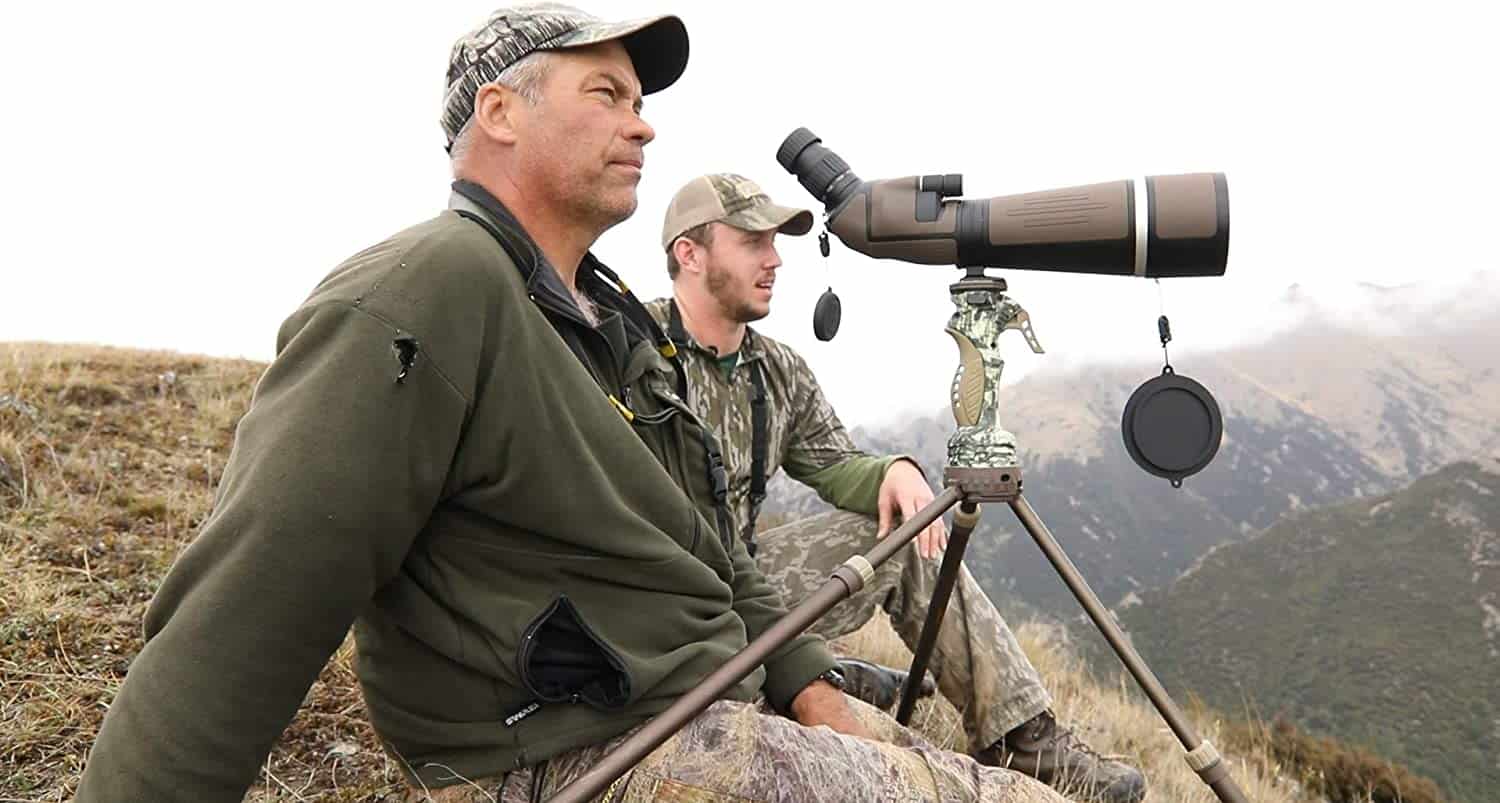
The Primos 65815 Gen 3 Trigger Stick is best judged as a tripod-style field rest for hunters who want quicker height adjustment and more support than a basic shooting stick. It can help steady a position, but it does not replace safe handling, a legal backstop, practice, or a firearm setup that fits the rest correctly.
This updated guide focuses on what matters before buying or using one: exact model identity, leg movement, trigger action, yoke/head fit, field stability, terrain, noise, and condition. Product listings can change, so verify the current seller, package contents, and model before purchase.
Table of contents
Quick Verdict
The Primos 65815 Gen 3 Trigger Stick is a sensible option to compare if you want a tripod rest for sitting, kneeling, blind hunting, predator calling, or optics support. The value depends on condition and fit. A smooth trigger, stable legs, secure yoke, and quiet adjustment matter more than old marketing language.
| Best for | Hunters who want a supported tripod rest for slower, more deliberate field positions. |
| Check first | Exact Gen 3 model, leg action, trigger lockup, yoke/head condition, feet, strap, and included adapters. |
| Watch out for | Slipping legs, sticky trigger movement, loose head, noisy adjustment, missing yoke, or poor fit with your firearm. |
| Article status | Legacy gear guide and buyer-check page, not a current price or offer page. |
What the Gen 3 Trigger Stick Is For
A tripod shooting rest supports the front of the firearm, crossbow, optic, or camera from a field position. Compared with a monopod, it usually offers better stability. Compared with a fixed bench rest, it still requires good body position, safe handling, and practice.
The Gen 3 Trigger Stick style is built around quick height adjustment and a yoke/head system. That design is useful only when the mechanism is smooth and the rest stays quiet enough for the way you hunt. On used or older units, inspect the moving parts closely.
Who It Fits Best
This kind of tripod fits hunters who set up, wait, glass, call, or shoot from a mostly fixed position. It is less ideal for someone who hikes fast and wants the lightest possible kit. It can also help newer shooters practice supported field positions, as long as they understand that support gear does not fix poor trigger control or unsafe shot selection.
- Ground blind hunters: useful when a built-in rest is not available.
- Predator callers: helpful when sitting and covering a lane for several minutes.
- Optics users: can be useful with compatible adapters and secure head fit.
- Range practice: good for learning how the rest behaves before a hunt.
Buying Checks
Before buying, confirm the exact model and look closely at the moving parts. Do not rely only on a title or one product photo. Ask for photos of the trigger area, full leg extension, yoke/head, feet, strap, and any adapters.
| Check | Good sign | Problem sign |
|---|---|---|
| Trigger action | Smooth pull and secure lockup | Sticky, rough, or slipping adjustment |
| Leg sections | Even extension and no bends | Binding, grit, dents, or unequal movement |
| Yoke/head | Firm support with controlled movement | Loose joint, cracked yoke, missing rubber, wobble |
| Feet | Stable contact for your terrain | Damaged or slick feet |
| Accessories | Correct yoke/adapters included | Missing pieces or unclear compatibility |
Setup and Field Checks
Set the tripod up at the range before taking it hunting. Practice from the positions you expect to use, especially sitting and kneeling. Check how quietly the legs adjust, how easily the head tracks, and whether the yoke fits your stock without pinching, slipping, or interfering with safe operation.
Do not assume flat-ground stability means field stability. Leaves, mud, snow, grass, rocks, and slopes all change how a tripod behaves. Place the feet carefully, keep your body balanced, and avoid leaning hard into the rest. A tripod should support the shot, not become the only thing holding the setup together.
Pros and Cons
| Pros | Cons |
|---|---|
| Good support for slower field setups | Bulkier than a simple shooting stick |
| Quick height adjustment can be handy | Moving parts need condition checks |
| Useful for rifles, crossbows, optics, or cameras when compatible | Fit depends on yoke/head and adapter setup |
| Tripod stance can help on open terrain | Noise, weight, and leg placement matter in real use |
Safety and Use Notes
Use a tripod rest with the same firearm-safety habits you would use anywhere else. Keep the muzzle pointed safely, know your target and what is beyond it, and follow local hunting rules. The NSSF firearm safety resources are a useful baseline for safe handling habits.
Check recoil movement and fit before using the rest in the field. A firearm that is balanced poorly in the yoke can shift at the wrong time. A crossbow also needs enough clearance around limbs and string path. If the fit is not secure, do not force the setup.
FAQ
Is the Primos 65815 Gen 3 Trigger Stick good for hunting?
It can be useful for supported hunting positions if the tripod is stable, quiet, and compatible with your setup. It is not a replacement for practice or safe shot judgment.
Is the Gen 3 better than an older Trigger Stick?
Condition and fit matter more than generation name alone. A clean older rest can be better than a worn newer one with loose parts.
Can it support optics or a camera?
Only with the right adapter and a secure head/yoke setup. Test the fit before relying on it, especially with expensive optics.
What should I inspect first?
Start with the trigger action, leg extension, yoke/head, feet, strap, and included accessories. Any slipping or wobble should slow the purchase down.
Why are there no current price links here?
This page is being treated as a legacy gear guide and buyer-check page. Current offers should be verified separately so readers are not sent to mismatched listings.
Bottom Line
The Primos 65815 Gen 3 Trigger Stick is worth comparing if you need a steadier tripod rest and the exact unit is complete, smooth, and stable. Check the moving parts, fit it to your firearm or optic, practice before field use, and skip listings with missing parts or vague condition details.