80 lb Pistol Crossbow for Target Shooting Guide
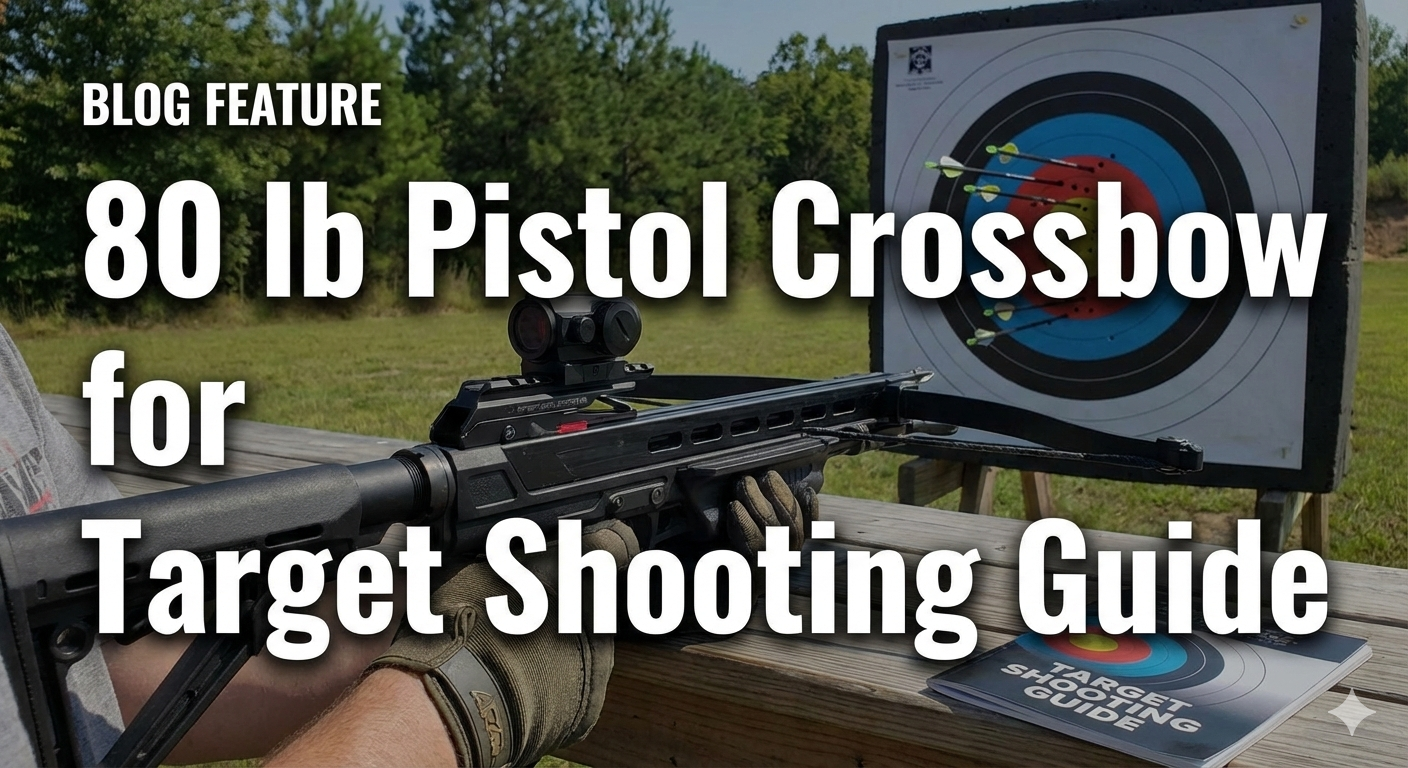
An 80 lb pistol crossbow can be a compact target-shooting tool, but it should be treated as real archery equipment, not a toy. For safe target practice, use a rated target, a clear backstop, eye protection, compatible bolts, and a shooting area where crossbow use is allowed. This guide is for target practice only, not hunting, weapon-use advice, or legal advice.
Table of Contents
Quick Answer
An 80 lb pistol crossbow is usually best for short-range target practice, backyard-range learning where legal, and basic crossbow handling practice. It is not automatically suitable for hunting, long-range shooting, or non-target use. The most important buying and use checks are bolt compatibility, cocking effort, target rating, backstop safety, local rules, and whether the shooter can load and control the crossbow without unsafe shortcuts.
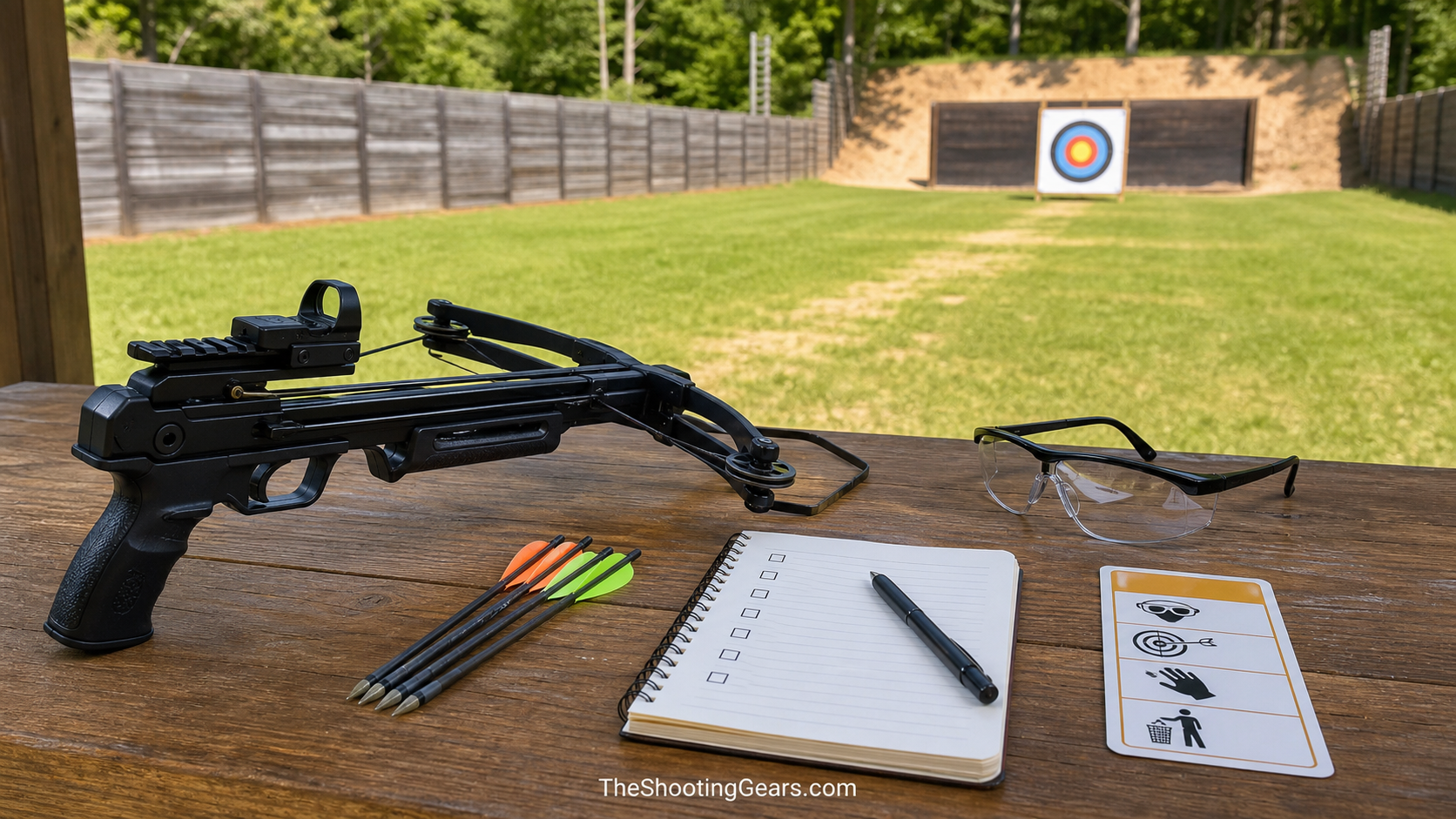
80 lb Pistol Crossbow Safety Checklist
- Legal location: Confirm crossbow target practice is allowed where you plan to shoot.
- Clear backstop: Use a safe backstop behind the target so missed or pass-through shots do not leave the shooting area.
- Rated target: Use a target designed for crossbow bolts, not a thin archery bag that cannot stop them reliably.
- Compatible bolts: Match bolt length, nock style, and weight to the crossbow manual.
- Eye protection: Wear eye protection and keep bystanders behind the shooting line.
- No dry firing: Do not fire without a compatible bolt loaded unless the manual specifically says otherwise.
- Manual first: Follow the exact cocking, loading, safety, and maintenance instructions from the manufacturer.
General archery organizations such as World Archery publish formal rule and range-control concepts, while hunter education resources such as Hunter Ed reinforce safe handling and awareness. Use those as safety context, but always follow your actual crossbow manual and local rules.
What an 80 lb Pistol Crossbow Is Best For
The main advantage of an 80 lb pistol crossbow is compact size. It is easier to store and carry than many full-size crossbows, and the lower draw weight can make short target sessions less intimidating for some adults. It can also help new users learn basic crossbow habits: keeping fingers below the rail, pointing only at the target lane, loading carefully, and checking the target area before every shot.
The limitation is that compact does not mean harmless. A pistol crossbow can still damage property or injure someone if used casually. Short limbs, short bolts, and simple sights also make it less forgiving than a larger target bow or full-size crossbow. Treat it as a close-distance practice tool and build your setup around control, not power claims.
Best For
- Short-distance target practice where crossbow use is allowed.
- Learning safe loading, aiming, and unloading habits.
- Casual archery practice with a proper target and backstop.
- Adults who want a compact crossbow for controlled range use.
Not Best For
- Hunting unless your state rules, equipment specs, and ethics all support it.
- Any non-target-use framing.
- Long-distance accuracy work.
- Unsupervised youth use.
- Backyards without a safe target lane and backstop.
Before You Shoot
Before the first shot, inspect the string, limbs, rail, safety, trigger, and bolt retainer. Look for cracks, fraying, loose screws, or anything that feels rough or uncertain. If the crossbow is new, read the manual instead of guessing. If it is used or has been stored for a long time, consider having it checked by a knowledgeable archery shop before shooting.
Also check the shooting location. Many neighborhoods, parks, and public areas restrict projectile use even when the equipment is small. If rules are unclear, do not assume backyard practice is allowed. Crossbow legality and hunting rules can vary by state, city, range, and property type.
Cocking and Loading
Cocking effort matters. An 80 lb draw weight may sound light compared with full-size crossbows, but the short pistol grip can still be awkward. Keep hands, fingers, and loose clothing away from the string path. Load only when pointed safely downrange, and unload according to the manual or range procedure.
Target and Backstop Setup
The target is not the whole safety system. A safe setup includes the target, the area behind the target, the side boundaries, and a shooting line that keeps people behind the shooter. A crossbow bolt that misses, skips, or passes through a worn target can travel farther than a beginner expects.
Use a target rated for crossbow bolts and inspect it often. Replace or rotate targets that no longer stop bolts reliably. Place the target in front of a safe backstop, not in front of fences, roads, windows, pets, livestock, or areas where people may walk unexpectedly.
Bolts, Strings, and Basic Accessories
Do not choose bolts only by price. Use the bolt length, nock type, and weight range listed by the crossbow maker. Short pistol-crossbow bolts can look similar across brands, but small differences in nock shape, diameter, or length can affect safety and reliability. The neutral definition of a crossbow is simple, but compatibility is model-specific.
Basic accessories should support safety, not clutter. A few compatible bolts, a rated target, eye protection, string wax if the manual recommends it, and a simple notebook are enough for most short practice sessions. Avoid modifying the trigger, limbs, string path, or safety mechanism.
Simple Target-Practice Plan
Start close enough that every shot stays in the target face and the backstop is still doing its job. Focus on repeatable setup: same stance, same grip pressure, same sight picture, same safe loading routine. Do not chase speed. A slow, controlled session teaches more than rushing through bolts.
After each group, pause and inspect the target, bolts, and crossbow. Bent bolts, cracked nocks, damaged vanes, loose hardware, or a frayed string are stop signs. Record what distance you used and what worked well. That kind of note is more useful than guessing from memory next time.
Common Mistakes to Avoid
- Using a target that is not rated for crossbow bolts.
- Shooting without a real backstop.
- Letting fingers rise into the string path.
- Using random bolts because they appear to fit.
- Dry firing or testing the trigger without following the manual.
- Practicing in a backyard or public area without checking rules.
- Treating an 80 lb pistol crossbow as a toy because it is small.
FAQ
Is an 80 lb pistol crossbow good for beginners?
It can be good for careful adult beginners who want short-range target practice, but only with a safe target, backstop, compatible bolts, and manual-based handling. It is not a toy or a shortcut around archery safety.
Can you hunt with an 80 lb pistol crossbow?
Do not assume so. Hunting rules, draw-weight requirements, equipment definitions, and ethical shot limits vary by state and species. Check your current state wildlife agency rules before using any crossbow for hunting.
What target should I use?
Use a target specifically rated for crossbow bolts and inspect it often. If bolts are passing through too easily or the target is badly worn, stop and replace or rotate the target.
Are pistol crossbow bolts universal?
No. Bolt length, diameter, nock style, weight, and tip design should match the crossbow manual. If you are unsure, contact the manufacturer or an archery shop before shooting.
How far should I practice?
Practice at a distance where you can keep every shot safely on the target with the backstop behind it. Increase distance only after your setup, target, and shooting lane remain safe and controlled.
Final Takeaway
An 80 lb pistol crossbow is best treated as a compact target-practice tool. The right setup is simple: legal location, compatible bolts, rated target, clear backstop, eye protection, careful loading, and patient practice. If the location, target, bolt fit, or handling step is uncertain, pause and solve that problem before shooting.