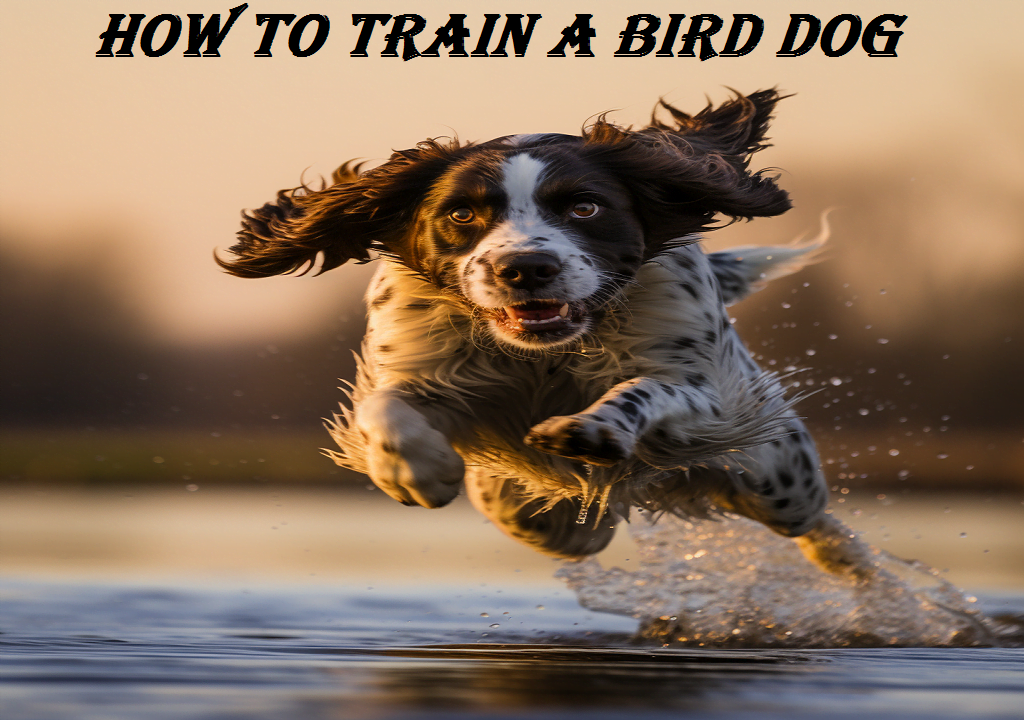
Ah, bird dogs! They’re not just pets; they’re partners in the field. But how do we harness their raw energy? Let’s dive into the intricate world of training.
Table of Contents
All bird dogs come pre-programmed with certain instincts, like pointing or flushing. These are natural behaviors that don’t need to be taught, but they do need to be refined.
Pointer, Setter, Retriever, Spaniel — each breed has its strengths and quirks. Know your dog’s lineage to optimize its training.
Just as in humans, a dog’s genetics play a huge role in its abilities. While training can do a lot, understanding its lineage can give insights into its strengths and weaknesses.
Training should ideally start when they’re young. Introduce them to feathers, let them chase butterflies; make them curious about the world.
Take your puppy to different environments. Forests, lakes, fields — the more they experience, the more adaptable they become.
Young dogs respond to positive feedback. Always reward good behavior, be it with treats, praises, or belly rubs.
Commands form the basics of any training. The three essentials? “Sit,” “Stay,” and “Come.” Use verbal cues and hand signals for best results.
It’s not just about training; it’s about training consistently. Regular sessions, even if short, are crucial.
Dogs learn by repetition. It helps reinforce commands and behaviors, making them second nature.
Start with cap guns or distant noises. Gradually bring them closer to the real deal, always ensuring your dog associates the sound with positivity.
Begin with dummies, then graduate to pen-raised birds. This ensures controlled exposures before real field situations.
Dogs need to navigate various terrains. Train in woods, fields, and even marshes to ensure versatility.
It’s about balance. Your dog needs to stay put when a bird takes flight but also needs to be alert. Use whistle commands and gentle corrections.
Dogs should follow your lead. Using a combination of whistle, voice, and hand signals, guide your dog to the desired direction.
Train your dog to retrieve to hand, ensuring it doesn’t damage the bird. Start with dummies, then shift to actual game.
Over-aggression can be tempered with calm assertiveness. A professional might be needed for extreme cases.
Minimize distractions during initial training phases. As they become more trained, gradually introduce them to distractions to improve focus.
Be it water or loud noises, address fears gradually. Introduce them slowly, rewarding bravery.
High-protein, quality dog food ensures stamina and health. Avoid table scraps and always keep fresh water available.
Daily exercise keeps the dog in shape. Mix activities like fetching, swimming, and running for overall fitness.
Regular vet visits will ensure your dog remains in peak condition, ready for the field.
Competitions require precision. Work with professional trainers, attend preparatory events, and ensure your dog is mentally ready.
Agility training, flyball, dock diving — bird dogs excel in various activities. It’s a great way to bond and keep them engaged off-season.
Notice signs of slowing down or stiffness. Modify training and hunting sessions accordingly.
Engage them in light activities. Nose work or simple fetch games can keep them mentally stimulated.
Join local clubs or online forums. Share experiences, learn from veterans, and maybe even find hunting partners.
If you hit a roadblock in training, don’t hesitate to seek a professional trainer. Their expertise can provide solutions and fresh perspectives.
Conclusion
Training a bird dog is an art, a dance between instinct and discipline. It’s a rewarding journey that strengthens the bond between man and his best friend. Here’s to many successful hunts and a bond that lasts a lifetime!
FAQs
When it comes to modern bowhunting, speed remains one of the most talked-about specifications among…
3D archery has become one of the fastest-growing disciplines in the archery world. Unlike traditional…
Target archery is a sport where precision matters more than power. Even the slightest movement…
Bow strings are one of the most important components of any bow. Whether you shoot…
Getting started with a compound bow can be exciting. Compound bows offer impressive accuracy, speed,…
When people think about snipers, they often imagine extremely powerful scopes capable of zooming targets…
This website uses cookies.

