The Right Age to Start Hunting: Youth Readiness, Safety, and Mentor Rules
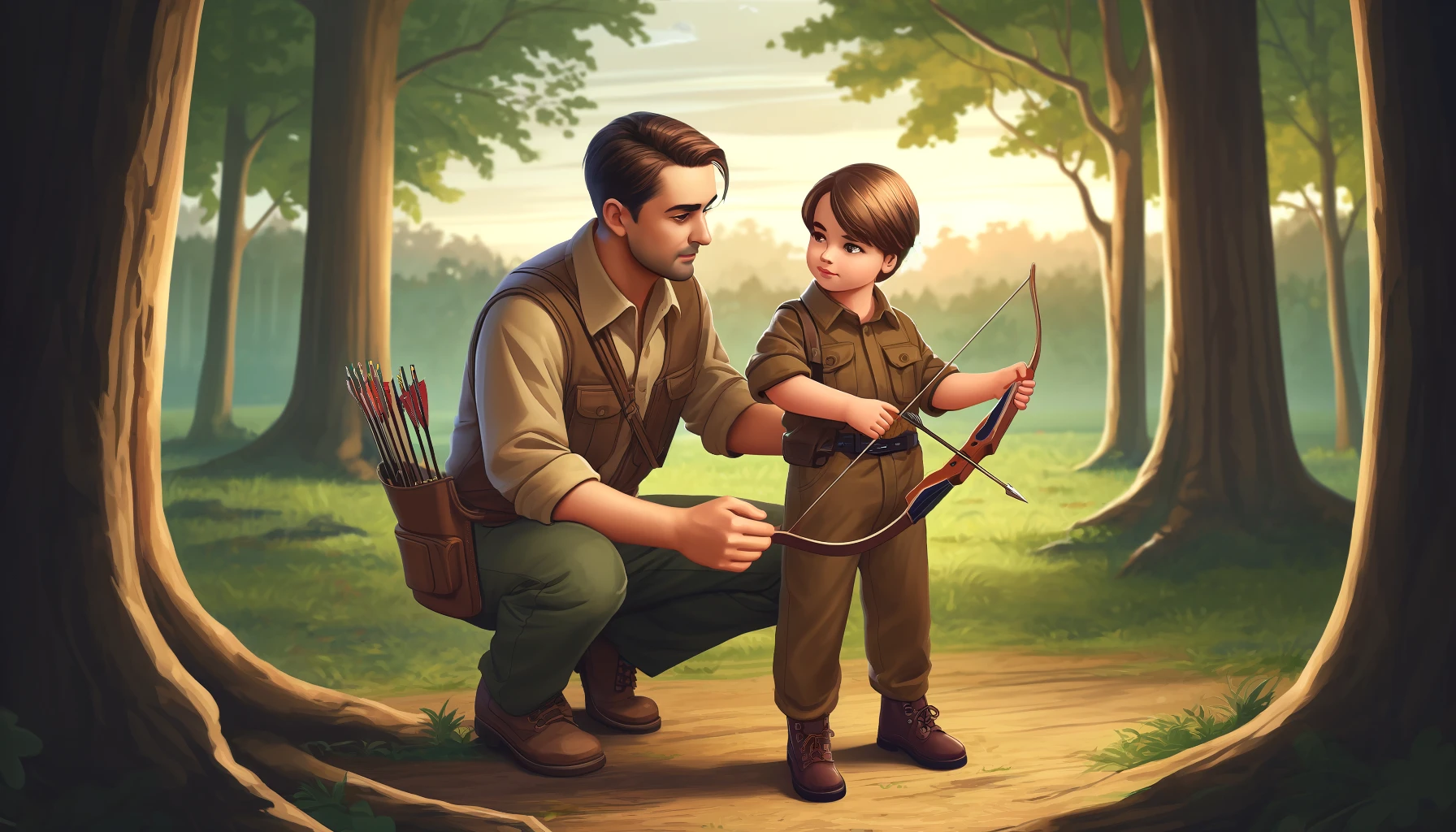
There is no single right age to start hunting. A child is ready only when the law allows it, a responsible adult can supervise closely, and the young hunter shows safe behavior, patience, emotional maturity, and respect for animals. For some families that starts with scouting or range safety before any live hunt.
This guide helps parents and mentors think through youth hunting readiness without rushing the decision. Always check your state’s current age, license, hunter education, apprentice, and supervision rules before taking a young person hunting.
Table of contents
Quick Answer: What Age Should a Child Start Hunting?
A child should start hunting only when state law allows it, hunter education or apprentice rules are met, and the child can follow safety commands every time. Age matters, but readiness matters more. Many young hunters start by tagging along, scouting, learning safety rules, and practicing at the range before carrying a weapon in the field.
Best first step
Let the child join a short scouting trip or blind sit without pressure to shoot. That shows how they handle quiet time, cold weather, boredom, animal sightings, and instructions.
What parents should avoid
Do not push a child into shooting before they understand safety, respect for game, and the seriousness of taking an animal.
Check Youth Hunting Laws First
Youth hunting rules vary widely by state. Some states have minimum ages, apprentice options, youth seasons, mentor requirements, hunter education rules, weapon restrictions, and special tags. Start with our hunting license guide, then verify the current rule on your state wildlife agency website.
Hunter education rules vary
State-approved hunter education is often required by age, birth date, license type, or apprentice status. Sources such as Hunter-ed.com and the IHEA-USA course finder can help you locate course options, but your state wildlife agency is the final authority.
Apprentice rules are not the same everywhere
Some states allow mentored or apprentice hunting before a full hunter education certificate. Others do not. Read the fine print for age, supervision distance, weapon possession, and how many seasons the apprentice option can be used.
Look for Readiness, Not Just Age
A young hunter must be able to listen, wait, follow safety instructions, and handle disappointment. Physical size is only one part of the decision.
Attention and patience
Can the child stay quiet, sit still, and follow directions when excited? If not, start with shorter scouting trips, wildlife watching, or range-safety lessons.
Respect for animals
A child should understand that hunting is not a video game. Talk about fair chase, meat care, recovery, and why some shots must be passed. Our ethical hunting practices guide can help frame that conversation.
Emotional control
Excitement, nerves, and frustration are normal. The question is whether the child can pause, listen, and accept “not yet” when the mentor says no shot.
Make Safety Non-Negotiable
Before any hunt, the young hunter must understand basic safety commands and follow them without debate. The NSSF firearm safety rules are a strong foundation for muzzle direction, trigger discipline, target identification, and safe backstops.
Use simple safety commands
Use short commands such as “stop,” “muzzle down,” “finger off,” and “safe direction.” Practice them at home with an unloaded training setup before going outdoors.
Protect hearing and eyes
Young hunters need hearing and eye protection during practice and many hunting situations. Make protection comfortable and fitted so the child will actually wear it.
Start With Low-Pressure Field Steps
Not every first hunt needs to include a shot. In many families, the best first season is about learning, watching, and helping.
Scouting trip
Let the child look for tracks, rubs, droppings, feathers, trails, and feeding sign. This teaches patience without the pressure of a weapon.
Short blind sit
Start with a short sit in mild weather. Bring snacks, water, warm layers, and a quiet exit plan if the child gets cold or restless.
Range practice
Range practice should be calm and supervised. Focus on safe handling, clear commands, and stopping before fatigue sets in.
Use Gear That Fits the Young Hunter
Oversized gear makes hunting harder and less safe. A young hunter needs clothing, boots, seat height, hearing protection, and any weapon setup to fit their body and strength.
Fit matters more than power
A youth hunter should not fight heavy recoil, long length of pull, high draw weight, or awkward optics. Poor fit leads to poor control.
Archery can be a good learning path
Some families start with archery range practice before hunting. If that fits your child, see our youth archery gear recommendations for safe beginner setup ideas.
Prepare for the Emotional Side
Young hunters may feel proud, sad, nervous, excited, or unsure after seeing or taking game. Adults should make room for those feelings instead of brushing them aside.
Talk before the hunt
Explain what may happen, including passing animals, missing, tracking, field dressing, and choosing not to shoot. Let the child ask honest questions.
Do not make the first hunt a test
The goal is not proving toughness. The goal is building safe habits, respect for wildlife, and trust between mentor and young hunter.
Set Mentor Rules Before the Hunt
The adult is responsible for the pace, safety, and pressure level of the hunt. Young hunters should know the mentor can stop the hunt at any time.
One mentor, one young hunter
For early hunts, one-on-one supervision is easier and safer than managing several children at once. Keep the plan simple.
Agree on “no shot” rules
Before the hunt, agree that no shot happens unless the adult confirms the animal, the angle, the range, the background, and the child’s readiness.
Youth Hunting Readiness Checklist
- State youth hunting rules checked for the current season.
- Hunter education or apprentice rules confirmed.
- Adult supervision requirements understood.
- Child follows safety commands every time.
- Hearing and eye protection fit properly.
- Gear and clothing fit the child’s body and weather.
- First outing can succeed without a shot.
- Child understands respect for animals and recovery.
- Adult agrees to stop the hunt if safety or comfort slips.
For a wider first-season plan, read our first-time hunting guide before choosing the first hunt.
FAQ
What is the best age to take a child hunting?
There is no single best age. The right time depends on state law, hunter education rules, adult supervision, maturity, safety habits, and whether the child wants to participate.
Should a child hunt before taking hunter education?
Only if your state allows an apprentice or mentored option and all supervision rules are followed. Many families still choose hunter education first.
How can I tell if my child is ready?
Look for consistent safety behavior, patience, emotional control, respect for animals, and the ability to follow adult instructions under excitement.
Should the first hunt include shooting?
Not necessarily. A scouting trip, blind sit, or range day can be a better first step for many children.
What gear matters most for youth hunters?
Properly fitted hearing protection, eye protection, weather clothing, boots, and a safe, size-appropriate weapon setup matter more than extra gadgets.
Bottom Line
The right age to start hunting is the age when the law allows it, the child is ready, and the adult can supervise closely. Start with safety, short outings, honest conversations, and low-pressure learning before making the first hunt about taking game.