Bowfishing Strategies: Gear, Technique, Target Species, and Water Safety
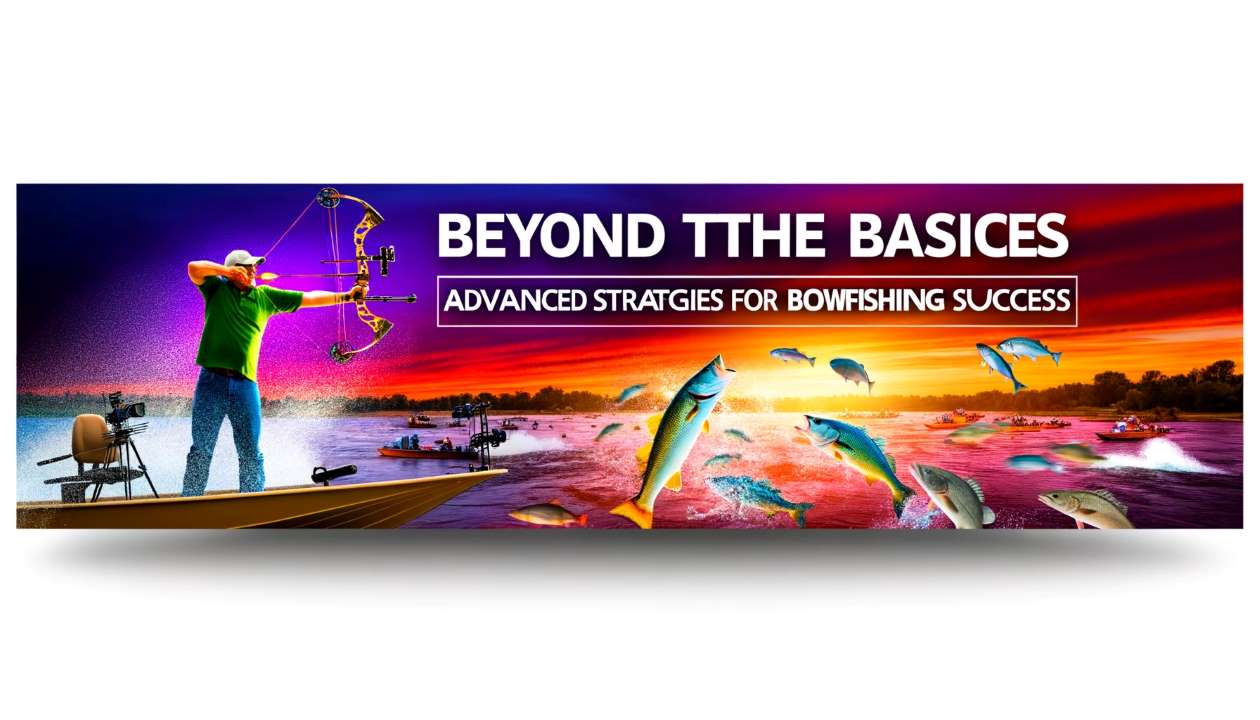
Bowfishing is shooting rough fish in shallow water with a bow, a barbed arrow, and a reel that lets you retrieve the arrow and the fish. The strategies that matter most are picking legal target species, setting up gear that handles water and retrieval, aiming low to correct for how water bends light, and reading shallow water for active fish. Just as important is staying safe on the boat. Before anything else, confirm which species you may take, what licenses you need, and which waters are open, because rough fish rules vary a lot by state and even by water body.
This guide covers gear, technique, finding fish, and water safety so you can get started the right way. The legal side of bowfishing changes by location, so always confirm the current rules with your state wildlife agency. Hunter and bowhunter education programs such as Bowhunter-Ed and IHEA-USA are good starting points for safety and regulations.
Table of contents
What bowfishing is
Bowfishing combines archery and fishing. You shoot a heavy barbed arrow attached to a line at fish in clear, shallow water, then reel the fish in with a spool, spincast reel, or bottle reel mounted on the bow. It is usually done at close range, often within a few yards, from the bank or from a boat moving slowly through shallows.
Unlike conventional hunting, bowfishing targets rough fish species rather than game fish, and the action is fast and visual. Success comes from seeing the fish, correcting your aim for the water, and shooting quickly before the fish moves. The skills build fast, but the safety and legal habits need to be in place from the first trip.
Confirm legality and licensing first
The most important bowfishing strategy is not a technique, it is confirming the rules before you go. Rough fish regulations differ widely between states, and sometimes between individual lakes and rivers, so what is allowed in one place may be prohibited a short drive away.
- Permitted species: Which fish you may take by bow, and which are protected or off limits.
- Licensing: Whether you need a fishing license, a bowfishing endorsement, or both.
- Permitted waters and seasons: Which waters are open to bowfishing and when, including any closed areas.
- Equipment and method rules: Restrictions on lights, boats, or shooting near other anglers and swimmers.
- Disposal rules: How harvested fish must be handled, since dumping is illegal in many places.
Get the current answers from your state wildlife or fish and game agency. Federal resources such as the U.S. Fish and Wildlife Service can point you toward the right agency, but the binding rules are the ones your state publishes. This article is general information, not legal advice, and rules change between seasons.
Common rough fish species
Bowfishing targets rough fish, a general category of non-game species that often includes carp, gar, buffalo, suckers, and certain invasive fish. Invasive carp control is one reason bowfishing is encouraged in some regions, since removing them can help native fisheries.
The catch is that “rough fish” is not a universal legal definition. A species that is open in one state may be protected in another, and some native suckers and gar have specific protections. Never assume a species is legal because it is a common bowfishing target elsewhere. Confirm each species against your state’s current rough fish list before you shoot.
Bowfishing gear basics
Bowfishing gear is simpler than target or hunting setups, but it has parts you will not find in either. The core pieces work together to shoot, hold, and retrieve the arrow.
Bow and draw weight
Many bowfishers use a dedicated recurve or compound bow set to a moderate draw weight, because shots are close and you draw and release quickly and repeatedly. A lighter, snap-shooting setup is often more practical than a heavy hunting draw weight. Follow your bow manufacturer’s guidance on safe draw weight and on using a bowfishing reel mount.
Reel and line
A reel mounted on the bow holds heavy line that attaches to the arrow. Common types are hand-wrap spools, spincast reels, and bottle reels. The line must be strong enough to handle large fish and must be managed so it does not tangle or snap back on release, which is a real safety concern.
Arrows and points
Bowfishing arrows are heavier and tougher than normal arrows, usually fiberglass or reinforced, with no fletching and a barbed point that holds the fish. The barbs reverse for removal. Tie the line to the arrow using the safe slide system your gear recommends so the line attaches behind the point, which helps prevent dangerous snap-back.
Aiming and the refraction problem
The single biggest reason new bowfishers miss is refraction. Water bends light, so a fish appears higher and closer to the surface than it actually is. If you aim where you see the fish, your arrow passes over its back.
The fix is to aim low, below where the fish appears, and to aim lower as the fish gets deeper or the angle gets steeper. A common starting guideline is to aim several inches under a shallow fish and more for deeper fish, then adjust based on your hits and misses. The only reliable way to learn the correction is repetition. You can read a plain-language explanation of refraction through a general reference such as this overview of refraction, then calibrate by shooting.
Finding fish and reading the water
Bowfishing happens in shallow, clear water where you can see fish. Look for warm, calm shallows in spring and early summer when many rough fish move up to spawn, around flooded vegetation, backwaters, creek mouths, and the edges of flats.
- Look for movement and shapes: Wakes, swirls, tails breaking the surface, and dark shapes against a lighter bottom.
- Use the sun and polarized glasses: Polarized sunglasses cut surface glare so you can see into the water, and keeping the sun behind you helps.
- Move slowly and quietly: Fish in shallow water spook easily, so a slow drift or quiet wade keeps them in range.
- Watch the wind: Calm water is far easier to see into than chop, so fish protected shorelines on breezy days.
Day and night strategies
Bowfishing works both during the day and at night, and the approach changes with the light.
During the day, rely on natural light, polarized glasses, and the sun at your back to spot fish in the shallows. Daytime is the simplest way to start because you can read the water and learn the refraction correction in good visibility.
At night, many bowfishers use boats rigged with lights that illuminate the shallows and reveal fish that move in after dark. Night trips can be productive, but they add complications: reduced visibility for navigation, harder depth perception, and more demanding boat handling. Where night bowfishing and the use of lights are legal, confirm the rules first and treat night safety as a higher priority, not an afterthought.
Water and boat safety
Bowfishing puts you on or near the water with archery equipment, so water safety comes first. Drowning and boating incidents are the serious risks, not the bow.
- Wear a properly fitted life jacket, and follow your state’s boating and life jacket requirements. The U.S. Coast Guard explains why wearing a life jacket matters on the water.
- Manage your reel line so it cannot tangle around a hand, finger, or bow part, since a snagged line on release can cause serious injury.
- Keep the bow pointed at the water and downrange, never toward people, and only draw when you have a clear, safe shot into the water.
- Know your boat, keep a stable shooting platform, and do not overload a small craft.
- Watch for swimmers, other boats, and anglers, and never shoot toward anyone or anything you are not sure of.
- Tell someone your plan and expected return time, and carry a way to call for help. If plans change, update that person before you lose cell coverage, because a clear float plan helps rescuers search the right water first.
For boating safety basics and required equipment, follow your state boating authority and the safety guidance taught through hunter and bowhunter education programs like IHEA-USA.
Ethics and responsible disposal
Responsible bowfishing means taking only legal species, only what you will use or are required to remove, and disposing of fish properly. Dumping dead fish on the bank, in the water, or at a boat ramp is illegal in many places and is poor stewardship everywhere.
Use what you harvest where it is suitable, compost or dispose of the rest according to local rules, and respect other water users. Following the spirit of Leave No Trace on the water, packing out trash and leaving sites clean, protects access for everyone. Confirm any required reporting or disposal rules with your wildlife agency.
Frequently asked questions
Why do I keep missing fish that look like easy shots?
Almost always because of refraction. Water makes a fish look higher and closer than it really is, so aiming where you see it sends the arrow over its back. Aim low, and aim lower for deeper fish, then adjust from your hits and misses.
What draw weight do I need for bowfishing?
Because shots are close and repeated, many bowfishers prefer a moderate draw weight that is easy to draw and release quickly rather than a heavy hunting weight. Follow your bow manufacturer’s safe draw weight range and reel mounting guidance.
Do I need a license to go bowfishing?
Usually yes, but the exact requirement depends on your state. Many states require a fishing license and may require a separate bowfishing endorsement. Confirm licensing, permitted species, and open waters with your state wildlife agency before you go.
Is bowfishing safe at night?
It can be done where it is legal, but night trips add navigation, visibility, and boat-handling risks. Use proper lighting, wear a life jacket, keep your line managed, and treat night safety as a higher priority. Always confirm that night bowfishing and lights are legal on your water.
Final takeaway
Bowfishing rewards a few clear strategies: confirm legal species, licensing, and open waters first, set up a moderate draw weight bow with a reliable reel and barbed arrow, aim low to beat refraction, and read calm shallow water for active fish. Whether you shoot by day or by night, water safety and a managed reel line come before any shot. Take only legal fish, dispose of them responsibly, and check the current rules with your state wildlife agency before every season, since rough fish regulations change and vary by place.